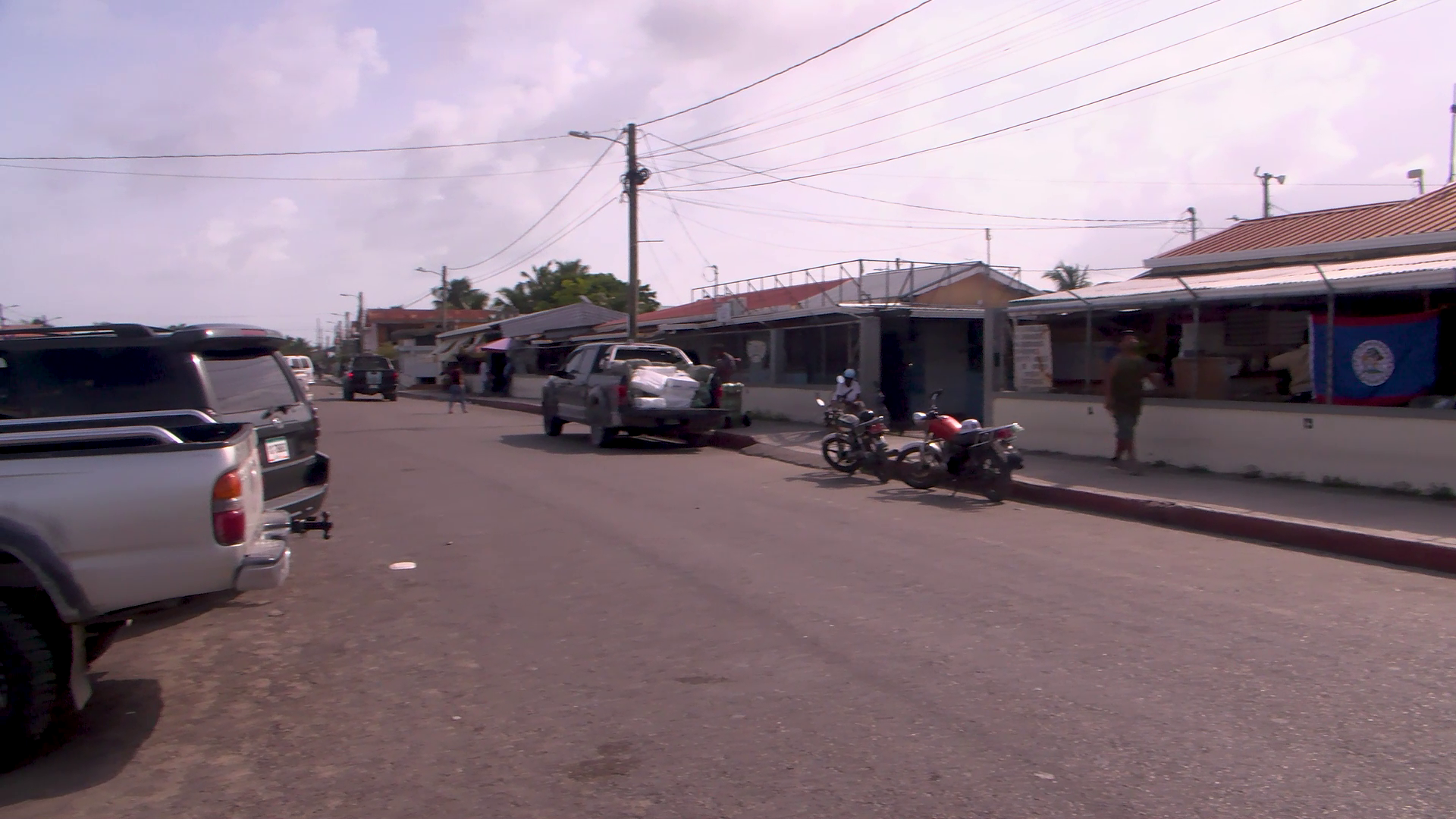
By September 14, 2026, vendors at Belize’s iconic Michael Finnegan Market are grappling with an unprecedented cost crisis that is pushing small food retailers to the brink of collapse. While shoppers across the country already face sticker shock from steadily climbing grocery prices, the vendors who serve these communities say they are actually walking away with thinner profits than ever before — caught in a vice between skyrocketing wholesale costs and cash-strapped customers who can no longer afford higher price tags.
Reported by News Five’s Paul Lopez from the market floor, the unfolding crisis traces its root back to price hikes implemented by the Belize Marketing and Development Corporation (BMDC), a government-linked agency that controls much of the produce supply chain for local vendors. Multiple vendors and wholesalers spoke on the record about the cascading effect of BMDC’s new pricing structure, explaining that higher rates at the wholesale level force them to pass costs onto consumers — who in turn walk away from purchases entirely when prices climb too high.
“ What’s the cost of a pound of potato? The value is not in what you pay, but what these vendors are able to take home as a profit to make ends meet,” Lopez reported from the site, where growing frustration among small business owners has paralleled the steady rise in food costs across the country.
One vendor laid out the thin margins that make operating nearly impossible: for a 65-pound sack of potatoes purchased for $250 from wholesalers, that works out to a $3 per pound wholesale cost. Vendors can only afford to mark the price up to $3.50 per pound to attract buyers, netting just $37 in profit for the entire sack after covering the initial investment. White onions tell a similar story: vendors pay $4 per pound wholesale, meaning they have to sell at the same price just to break even, with no room for profit after covering transport, labor, and market stall rental. On slow days, many vendors report going an entire workday without selling an entire sack of core produce like potatoes or onions.
When asked what would happen if vendors raised prices further to match rising costs, one vendor summed up the dilemma: “If I take up my price, nobody will stop and buy from me.” Customers, already tightening their own household budgets amid broader inflation, simply leave when they see higher prices, vendors confirm. Many report that even regular customers are walking away without making purchases after seeing sticker prices.
The price chain starts at the top, vendors and wholesalers agree: BMDC has raised the rates it charges wholesalers for bulk produce, and those increases get passed down through every level of the supply chain. “We can’t help pay our [market stall] rent, because everything goes back to the marketing board. The government is taking back everything from us,” one vendor explained.
Wholesalers echo these grievances, noting that before BMDC took over control of imported produce like onions, cabbage and carrots, they were able to source goods at far lower prices. Now, forced to purchase all stock from the state-linked agency at inflated rates, wholesalers have no choice but to add a small markup to cover their own costs including fuel for transport. “If we pay two twenty-five for the onion and only get sixty-five pounds, we have to sell it for two thirty [per pound] just to break even,” one wholesaler explained. “To get the stuff all the way [from] the marketing board we have to burn gas [for transport], [cover] this that. Like people [will] go under after this, we won’t eat. And it is true, because you see the cabbage, four dollars a pound — [prices have never been this high].”
The growing crisis has sparked anger among small business owners who say the current government has failed to address their struggles. One vendor harshly criticized Prime Minister Briceño and his administration, saying officials make empty promises but do nothing to ease the burden on working-class vendors and their customers. “[Briceño and his team] sit down and talk a whole lot of [empty promises], but they don’t give a damn about nobody. They just lie and lie and lie to the people, and our children and grandchildren end up paying the price. They don’t worry about us — they only worry about themselves.”
As food inflation continues to eat into household budgets and small business margins across Belize, vendors warn that the true cost of the crisis extends far beyond the higher checkout prices consumers see. Small, family-owned market operations that have served local communities for generations are at risk of closing permanently, leaving working-class families with fewer affordable food options and hundreds of small business owners out of work. Reporting for News Five, Paul Lopez.
*Note: This report is adapted from a transcript of an evening television broadcast, with original Kriol language translated and adapted for clarity.*