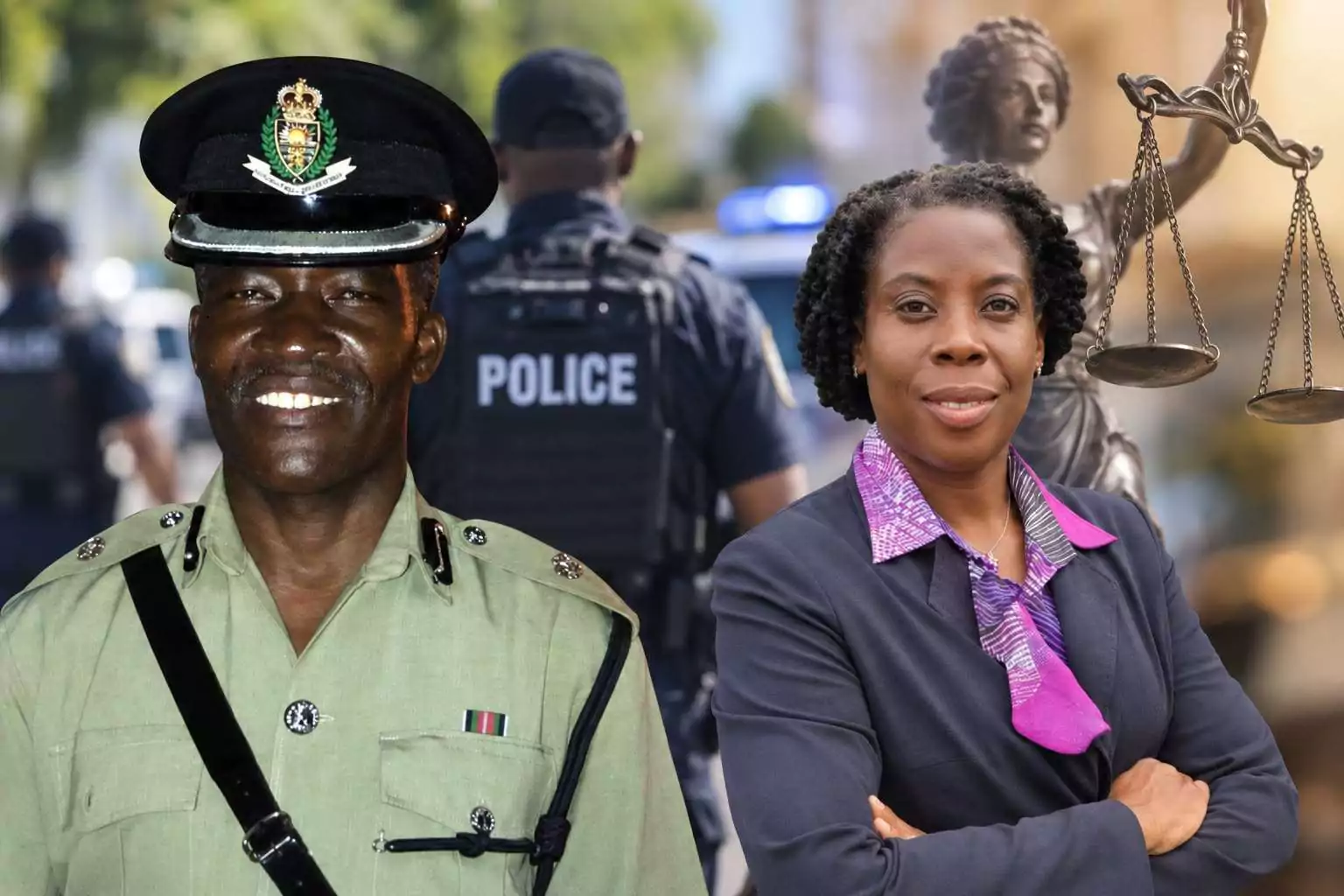
A growing chorus of policy analysts, civil rights activists and community organizers are sounding the alarm that a proposed superficial rebranding of U.S. law enforcement agencies fails to address long-simmering demands for transformative change, turning up pressure on policymakers to deliver tangible structural reform.
At the center of the current debate is a recently floated plan to alter the official name of local police departments in multiple jurisdictions across the country, a move that proponents of the change frame as a small first step toward rebuilding public trust. But critics and political commentators have roundly pushed back against the proposal, arguing that rebranding without accompanying policy shifts is nothing more than a hollow public relations gesture that does nothing to resolve deep-rooted problems within American policing.
Many commentators point to ongoing public outrage over persistent racial disparities in use of force, qualified immunity protections for officers accused of misconduct, and the over-policing of Black and brown communities as evidence that incremental, cosmetic changes are no longer acceptable to a public demanding action. “Changing the name on the side of a patrol car doesn’t alter how officers interact with community members, doesn’t end biased policing, and doesn’t hold bad actors accountable,” said one senior policy analyst interviewed in the debate. “What communities need is not a new label, but a complete reorientation of public safety priorities, from aggressive enforcement to community-led prevention and de-escalation.”
Advocates for deeper reform are now mobilizing to push legislative bodies at the state and local level to consider a raft of more substantive changes, including mandatory bias training for all officers, stricter oversight boards with independent investigatory power, limits on military-style equipment for local departments, and changes to use-of-force policies that require de-escalation as a first priority. Many also note that the conversation over the proposed name change has underscored a growing divide between incrementalist policymakers who favor small, gradual changes and grassroots organizers who argue that the current system is fundamentally broken and requires wholesale restructuring.
As the debate continues, public opinion polling from recent years shows that a majority of American voters support major changes to policing practices, particularly in communities that have historically been disproportionately impacted by aggressive law enforcement. The controversy over the name change proposal has only amplified calls for elected leaders to move beyond symbolic action and deliver the systemic change that many community members have been organizing around for decades.