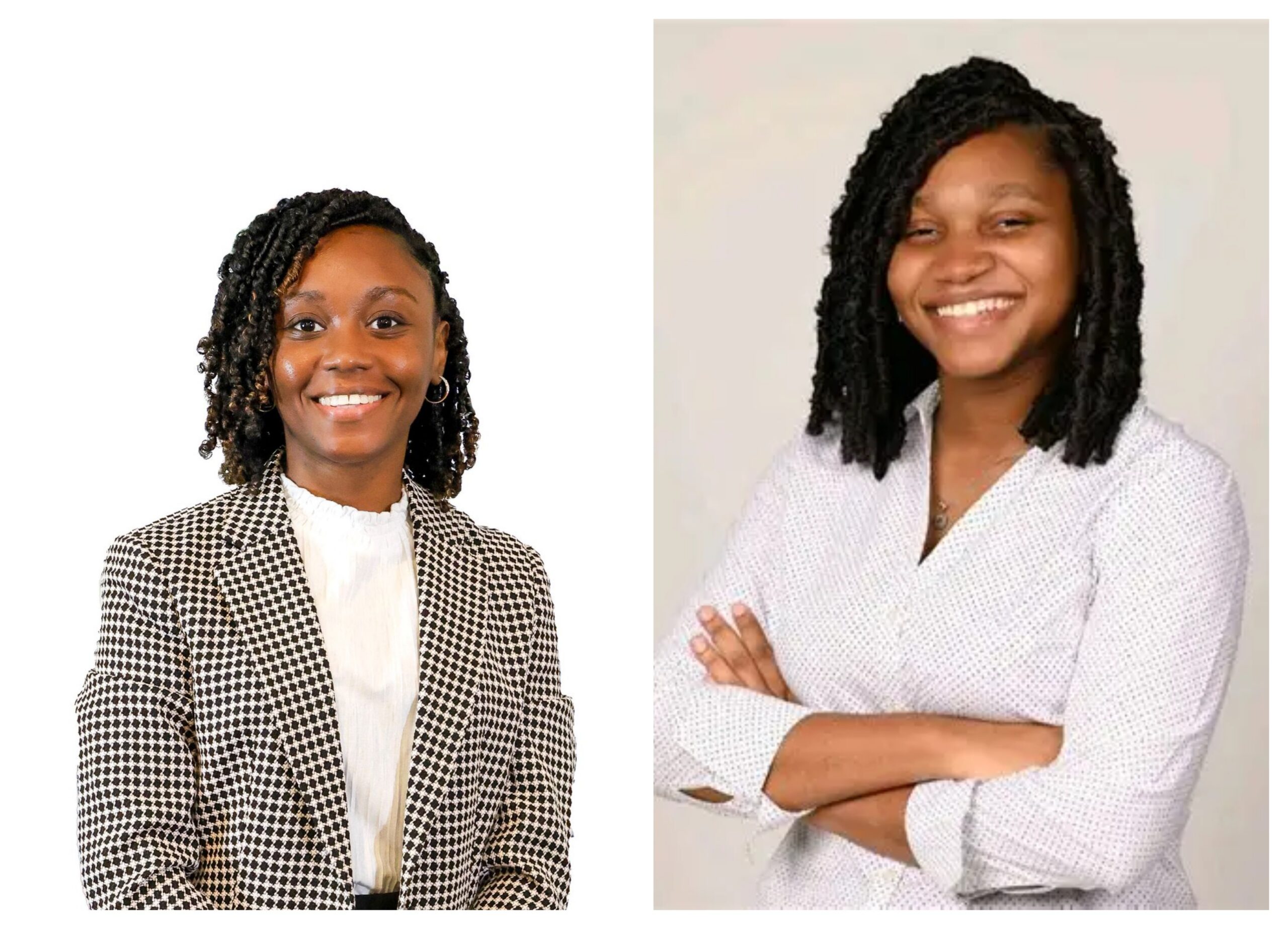
An opinion piece from three young Caribbean public health advocates has put forward a bold new framework for advancing regional wellness, arguing that meaningful youth engagement—rather than top-down guidance on individual behavior—is the foundation of a healthier Caribbean future.
Written by Chelsea Antoine, Latifah Holder and Danielle Mullings, all members of the youth advocacy network Healthy Caribbean Youth, the op-ed challenges the long-held assumption that improving public health starts with dictating to young people what to eat, how to stay active, and how to manage their well-being. Instead, the authors argue that systemic change must come first: young people need accessible resources, supportive environments, and formal seats at the decision-making table to drive sustainable change for themselves and their communities.
Across the Caribbean region, the authors note, young people face widespread structural barriers to healthy living that public health messaging often ignores. Young residents are consistently told to prioritize nutritious diets, but fresh, healthy food remains out of reach for many due to cost and limited access in underserved communities. They are urged to stay physically active, yet safe, inclusive public spaces for recreation and exercise are often unavailable or poorly maintained. And while mental health awareness has grown in recent years, stigma still silences open conversations, and many young people remain unsure where to turn for affordable, reliable support.
“We cannot keep telling young people to make healthier choices without asking whether we are making those choices practical, affordable and accessible,” the authors write.
This core argument is why the 2026 Caribbean Wellness Day theme—*Engage, Empower and Elevate Youth*—carries such critical importance for the region, the advocates explain. Wellness is not an individual responsibility alone, they emphasize: it is a collective mission that requires cross-sector collaboration, inclusive policy design, cultural acceptance, and accessible health services that create the conditions for young people to thrive.
Against a backdrop of growing regional challenges—including rising rates of noncommunicable diseases (NCDs), persistent food insecurity, and the evolving impacts of climate change—empowering young people means more than just handing them basic health information. It requires equipping them with the knowledge, confidence, and institutional support to make informed decisions about their own well-being. It also means normalizing open conversations about mental health, the authors stress: asking for help and speaking honestly about emotional struggles is not a sign of weakness, and invisible mental health challenges deserve the same level of attention and investment as physical health conditions.
Central to the authors’ vision is the idea that young people must be recognized as more than just recipients of public health programs. “To elevate means recognising that young people are not simply beneficiaries of health interventions. We are ambassadors of change, innovators, advocates, leaders and partners in improving health outcomes across our communities and the Caribbean,” they write.
For regional wellness to become a lasting reality, the authors argue, it must be elevated to a top regional priority. Policymakers, private sector businesses, educational institutions, and civil society organizations all have a role to play in building environments where healthy choices are not just encouraged, but are the most practical and accessible option for all residents.
The Caribbean region, the authors note, holds a unique opportunity to reimagine wellness for its specific context. Shared challenges from NCDs, food insecurity and climate change create a natural collective foundation for developing tailored, homegrown solutions that meet the region’s unique needs.
In closing, the advocates emphasize that a healthier Caribbean cannot be built by only urging individuals to make better choices. Systemic change requires centering the people who will shape the region’s future: “Ultimately a healthier Caribbean cannot be created by simply telling people to make better choices. So, let us engage young people. Empower us, elevate us, because we are not waiting to become the future of the Caribbean. We are already helping shape it today.”
The three authors bring decades of combined regional and global public health experience to the call. Antoine is a public health and project management professional at the Caribbean Public Health Agency (CARPHA), where her work focuses on monitoring and evaluation, youth engagement, and health advocacy to advance equitable, healthy communities across the region. Holder is a public health specialist with expertise in program and project planning, focused on NCD prevention, health education, and community engagement, with a commitment to delivering impactful public health campaigns for Caribbean communities. Mullings is a multidisciplinary expert who leverages technology and storytelling to advance health, education and youth empowerment; she serves on Jamaica’s National Artificial Intelligence Task Force and the RJR Gleaner Youth Advisory Board, and has collaborated with leading global institutions including UNICEF Jamaica, the World Bank, the World Health Organization, and Transform Health to amplify Caribbean perspectives in international development.