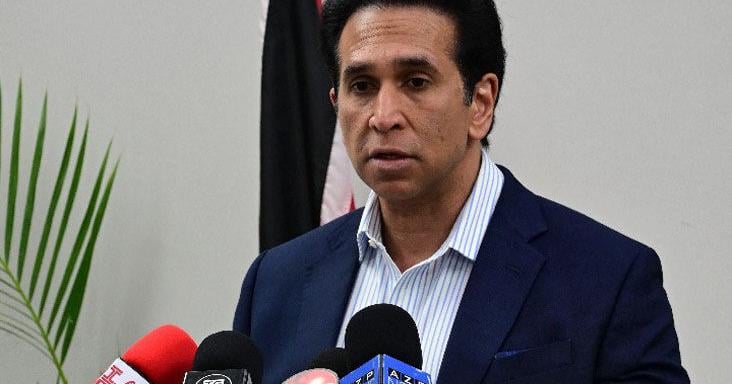
After nearly four months of restricted detention, 69-year-old cheese maker Star Sabga has regained her personal freedom after Trinidad and Tobago’s Homeland Security Minister Roger Alexander formally revoked the Preventive Detention Order (PDO) that targeted her. Her attorney Faris Al-Rawi told reporters that when the revocation notice was delivered by Trinidad and Tobago Police Service (TTPS) officers at 10:15 a.m. yesterday, Sabga broke into tears, overwhelmed by a tangled mix of relief, disbelief and raw emotion after the long period of confinement.
Sabga’s detention timeline stretches back to June 26, when she was first taken into custody under the PDO. After several weeks held in a prison facility, she was transferred to home confinement at her Regents Towers apartment in Westmoorings starting July 23, a restriction that remained in place until the order was lifted yesterday. Throughout her house arrest, Al-Rawi explained, Sabga was only permitted two 15-minute visits from family members, was barred from leaving her apartment at all, and was completely unable to generate income from her cheese making business. Even now, following her release, Al-Rawi noted that the trauma of the detention will take time to fade: Sabga is still adjusting to the simple freedoms most people take for granted, like being able to lock her doors without unannounced midnight or early-morning checks from authorities while she sleeps. When family members were finally able to gather in her living room freely after the revocation, Sabga was completely overcome by the moment, Al-Rawi added.
Addressing the controversial remarks that formed the core of the state’s case against Sabga, Al-Rawi clarified the context of the intercepted private conversation at the center of the detention proceedings. Speaking on an affidavit Sabga filed regarding a recorded discussion with her niece Genevieve Hadeed, Al-Rawi said Sabga believed the conversation was completely private. She was only venting personal frustration about the country’s political direction, referencing historical events from 1970 and 1990, and never intended to threaten or cause harm to anyone, including government officials. Sabga has publicly expressed regret for using a racial slur during the discussion, and has firmly stated she has never and would never threaten violence against any person or member of the government.
While the revocation of the PDO has restored Sabga’s personal freedom, it has not closed the book on the broader legal proceedings that involve Sabga, Genevieve Hadeed and Dominic Hadeed. Two major High Court cases are still pending: one for judicial review of the state’s actions, and a constitutional claim that challenges the issuance of warrants, the PDOs themselves, the interception of private communications, and alleged breaches of core constitutional rights including the right to liberty, equal treatment under the law, and the right to private life. The proceedings also seek formal court declarations of wrongdoing and financial damages. Al-Rawi noted that a state appeal against a prior ruling allowing Sabga to serve her detention at home is now effectively moot after the PDO’s revocation, but all underlying legal questions remain to be decided by the courts — and could ultimately go all the way to the Privy Council, the highest appellate body for the country.
The case raises far broader questions than the circumstances of the three individuals involved, Al-Rawi emphasized. In particular, the legal team is challenging Section 6(2)(b) of Trinidad and Tobago’s Interception of Communications Act, which permits the Commissioner of Police, Chief of Defence Staff, and head of the Strategic Services Agency to request communication interception without first obtaining a judicial warrant. The defense argues this provision is unconstitutional, because it lacks the safeguards built into other sections of the law that require a judge to approve a warrant before surveillance can proceed.
Al-Rawi also pointed to critical discrepancies in the state’s evidence: the state has confirmed the interception at the center of the case happened on June 11, but the warrant approving the interception was not requested or granted until between June 18 and June 24, days after the surveillance was already completed. Of the 13 audio clips the state has submitted to the court, the defense disputes how the state has attributed statements to Sabga and the Hadeeds. Al-Rawi stressed that the June 11 conversation between Sabga and her niece is the foundation of the detention orders, but many of the statements the state attributed to Dominic and Genevieve Hadeed “simply never happened,” and Sabga’s remarks were made in a completely different context than the state has presented. These discrepancies will be a core part of the ongoing constitutional and judicial review challenges.
Despite the ongoing legal fight, Al-Rawi emphasized that Sabga and her co-defendants have no interest in escalating conflict with the government or the TTPS. “They don’t want a war with Government. They don’t want a war with the TTPS. They want their good names restored,” he said.