As mounting pressure from the United States casts a growing shadow over Belize’s long-standing diplomatic and cooperative relationship with Cuba, one of the nation’s most prominent former leaders is pushing back against calls to cut ties, arguing that abandoning Havana would betray a decades-long partner that stood by Belize long before it secured full sovereignty.
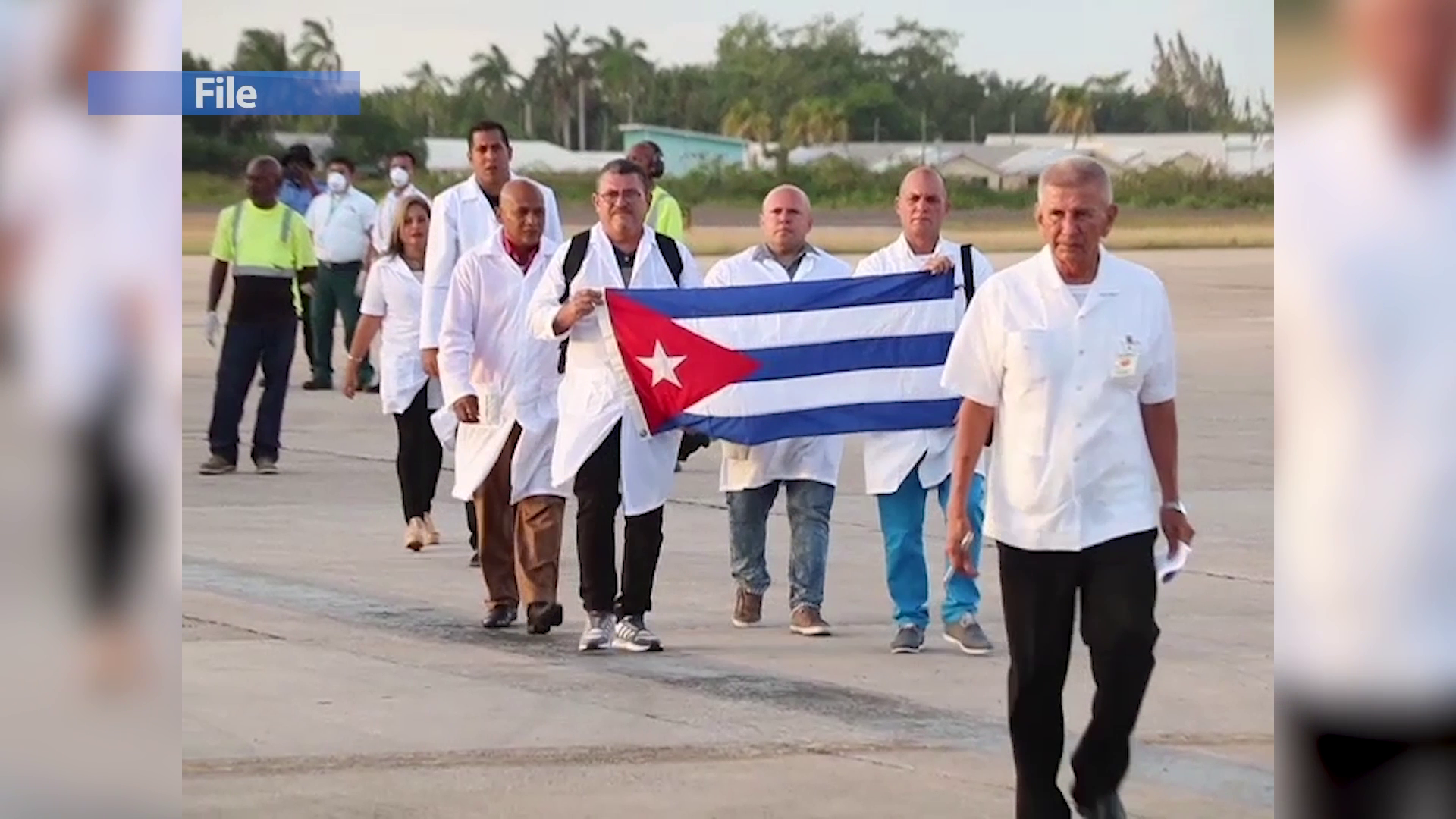
Former Prime Minister Said Musa made the forceful remarks in an exclusive interview with local outlet News Five, speaking out as the future of Cuba’s well-known medical brigade deployed in Belize hangs in the balance. Musa traced the history of Cuban support back to the era when Belize was still known as British Honduras, struggling to secure its territorial integrity in the face of a long-running territorial claim from neighboring Guatemala. At a time when much of the international community remained on the sidelines, Musa emphasized, Cuba offered unwavering backing for Belize’s path to independence and self-determination.
The former prime minister, who has personal experience receiving medical care from Cuban medical professionals alongside hundreds of other Belizean citizens, said he could never accept calls to sever ties with the island nation. “These people have stood with us, sending doctors and nurses to our country. Took care of me in fact. I had to go there for some treatment as well, and many Belizeans,” Musa noted. He added that both Mexico and Cuba have been consistent, faithful allies to Belize throughout its modern history, recalling that Mexico dropped its own historical territorial claim over Belizean territory on the condition that Guatemala would do the same.
Today, the territorial dispute that has shaped Belize’s foreign policy for generations is nearing a final resolution. The International Court of Justice (ICJ) is set to issue its final ruling on the dispute by the end of 2027, and Musa expressed confidence that the outcome will confirm Belize’s full territorial sovereignty from the Hondo River to the Sarstoon River. “I think eventually with the ICJ giving its decision by the end of next year, that whole thing will be behind us and Belize will remain intact, from the Hondo to the Sarstoon. I can assure the Belizean people about that,” he said.
Against this backdrop of nearing a final resolution to the country’s most pressing territorial issue, Musa argued that turning away from Cuba would be a profound betrayal of the allies that supported Belize through its most uncertain moments. “So, we can’t in this time now, when we are moving towards a complete solution to the problem, abandon Cuba, no, no. We have to find another way to deal with this problem,” Musa stated. He emphasized that the early foundations of Belize’s independence were built on trust: trust in the Belizean people to make the right choices for their future, and trust in the international partners that stood alongside the nation when its sovereignty was still unrecognized by many.
This report is based on a transcript of a televised evening news broadcast from the outlet, with all quoted remarks preserved and transcribed accurately.