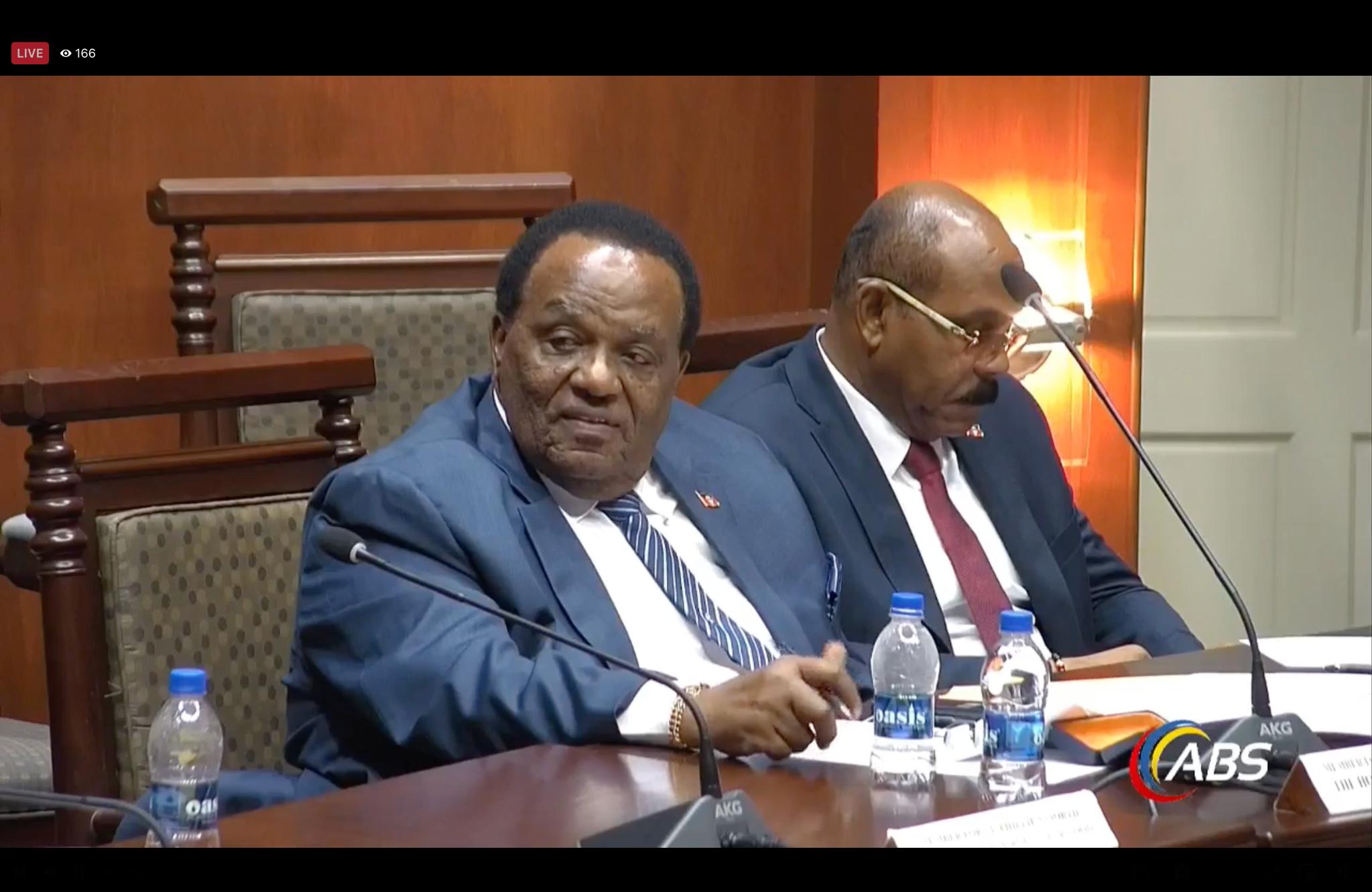
For over ten years, a single cabinet minister has held oversight of four interconnected core portfolios: policing, prison management, justice policy, and public safety strategy. Political commentator Shane argues that if the country’s prime minister is genuinely dissatisfied with the current state of public safety, the performance of policing institutions, and the effective operation of the judicial system – and is committed to implementing sweeping policy changes – a change in the leadership of these portfolios is long overdue. After more than a decade of underperformance that has failed to deliver the promised results, Shane insists this incumbent minister must step aside.
Shane poses a series of rhetorical questions outlining what voters deserve from an effective public safety minister. Citizens should be able to expect a proactive, energetic leader who travels across the country to engage directly with local communities on their experiences with crime and public safety. This leader would drive a new community policing agenda that strengthens connections between residents and police liaisons. They would also develop a clear, actionable strategy to collaborate with the judiciary through established official channels, delivering on long-discussed calls for harsher maximum sentences for serious offenders.
An effective minister would also proactively consult with the Department of Gender Affairs (DoGA) and non-governmental organizations that work to combat sexual and gender-based violence. From these consultations, they would build a coordinated cross-institutional plan to create safer public and private spaces for women and girls across the country. Furthermore, they would turn the long-debated idea of meaningful offender rehabilitation from a campaign talking point into tangible policy: they would introduce comprehensive draft legislation to establish a formal rehabilitation program, including a dedicated division that tracks and supports former inmates after their release, and pre-identify qualified candidates to lead the initiative.
A capable public safety minister would also deliver on long-overdue infrastructure commitments. They would table a concrete, cost-efficient, phased plan to build much-needed new correctional facilities and aggressively push for timely completion of the project. They would keep promises already made to the national police force – including the construction of the long-promised forensic laboratory – and follow through on commitments to increase police accountability by establishing the promised independent oversight body to investigate officer misconduct complaints. Finally, they would partner with the Ministry of Social Transformation to launch targeted diversion programs for marginalized at-risk young people who show early signs of being drawn into a life of crime.
Shane goes on to point out a striking pattern in the prime minister’s public commentary on rising crime: when discussing who bears responsibility for the country’s ongoing public safety crisis, the prime minister has called out a long list of institutions and individuals, from the judiciary and the legal fraternity to the Prison Superintendent, the Office of National Drug Control Policy (ONDCP) and its leadership, the Director of Public Prosecutions, and even women who date men with criminal histories. In short, Shane argues, the prime minister has pinned blame on everyone except the cabinet minister who has overseen the file for more than a decade.
If the prime minister were truly serious about shifting course on crime and public safety, Shane contends, he would prioritize changing the leadership of the key portfolios. Allowing long-serving incumbents who have outlasted their effectiveness to cling to critical cabinet positions – while younger, more capable candidates are sidelined or forced to take their skills abroad – is a clear case of putting partisan political interests ahead of the national good. This approach, Shane argues, is the defining trait of a weak prime minister: one who relies on aggressive rhetoric and picks unnecessary fights with public servants, but lacks the political will to challenge the entrenched status quo within his own party.
Shane concludes that the prime minister should have stripped the incumbent minister – nicknamed “Cutie” – of the public safety, policing, prisons and justice portfolios years ago, leaving Cutie to only oversee the roles of Attorney General, Legal Affairs, and Labour. The op-ed ends with Shane’s signature.