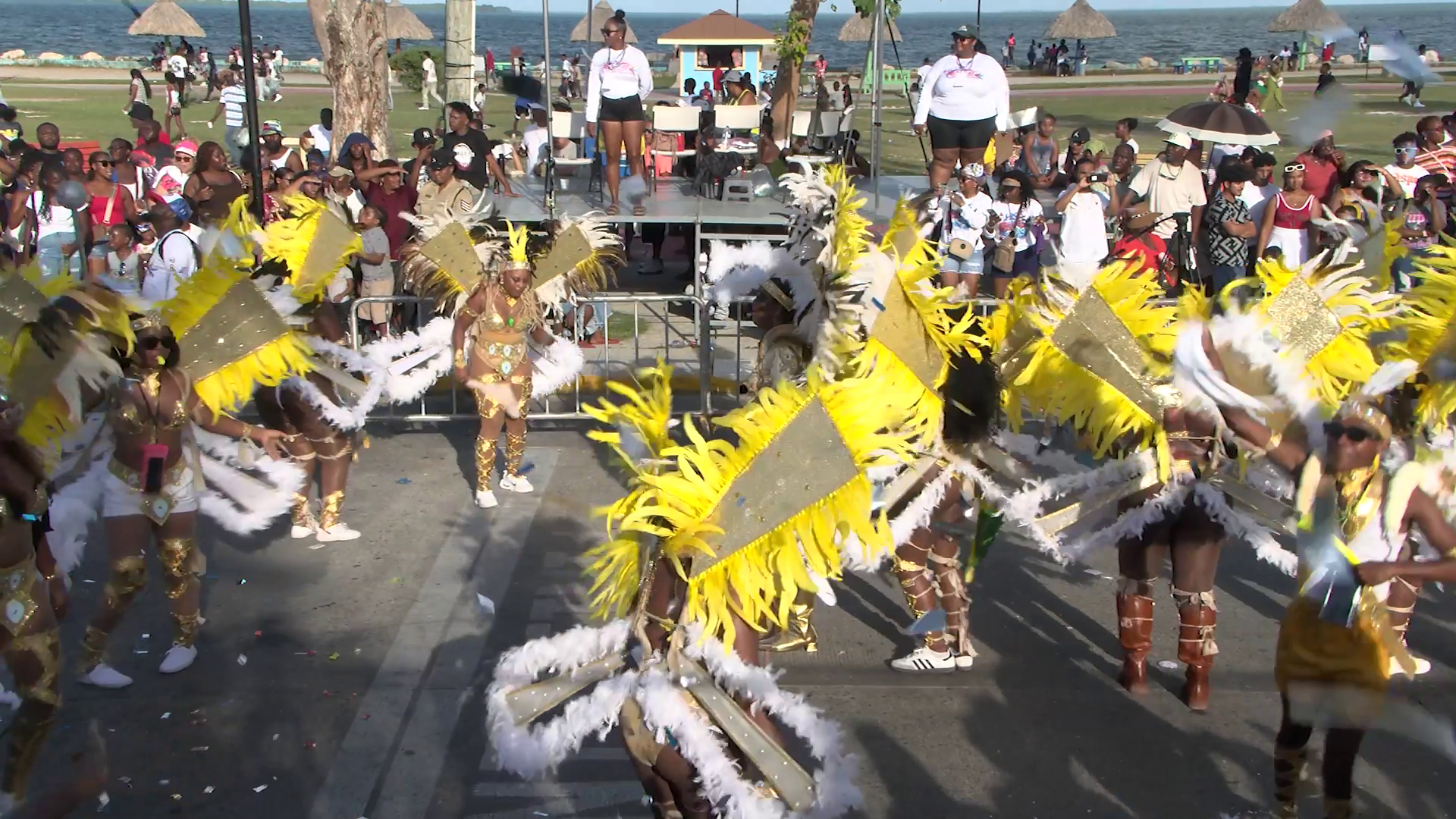
As 2026’s annual Carnival Road March wraps up in Belize, a long-simmering public debate has reignited over a fundamental question: should child and adult Carnival revelers be split into separate celebrations? The beloved festival, which honors freedom, cultural expression and community connection, has long united Belizeans across all age groups, but growing divisions over appropriate content for young participants have thrown the future of the intergenerational tradition into question.
The Belize Council of Churches has repeatedly pushed for formal separation of junior and adult Carnival events, arguing that current arrangements expose children to inappropriate adult behavior and displays that run counter to healthy development. Church Senator Louis Wade emphasized that while children currently march in their own designated sections with more modest costumes, this partial separation does not go far enough. Before and after the official parade, children and adults still mix in the same public spaces, he explained, and adult revelers set an unavoidable example for young participants. Public spaces, Wade noted, are shared by all members of the community, not just those taking part in Carnival celebrations. He called on event organizers, the Ministry of Culture, and the national government to take the separation recommendation seriously, warning that keeping all participants together puts children in inappropriate environments.
Not everyone opposes the call for separation outright, but many warn that splitting events into a separate children’s day and adult day could carry unexpected costs for the Belizean Carnival community. Pauline Bradley, the leader of Soca Massive, one of Belize’s most prominent and successful junior Carnival bands, acknowledged that the proposal has some potential benefits. It could, she said, lead to greater participation and support from parents and local schools, which have long raised concerns about adult content. Still, Bradley argued that splitting the events could backfire: most spectators come out to the parade to see adult revelers, she explained, so moving the junior parade to a separate date would likely result in smaller crowds and rob young participants of the public recognition and support they have earned. She also pushed back on the church’s criticism, noting that religious doctrine instructs against judging others and that she has no desire to criticize the church’s position beyond that point.
The debate extends beyond moral concerns to touch on cultural identity and the country’s vital tourism economy. Event promoter John Marsden, who has experience with Carnival celebrations around the globe, pointed out that Belize’s intergenerational Carnival is a unique selling point that sets it apart from other Carnival destinations around the world. Marsden personally supports separating adult and child events, but he acknowledged that the current mixed model draws international tourists who want to bring their whole families to take part in the celebration. As a billion-dollar global industry, Carnival offers major growth opportunities for Belize, and any change to the traditional structure would need careful consideration to protect its economic and cultural appeal.
For now, Belize’s Carnival remains an entirely shared intergenerational space, but the growing pressure for change means the debate is far from settled. The core question remains unanswered: if the event is marketed as a family-friendly experience, what responsibility do adult participants have to adjust their behavior and attire to accommodate children? Does protecting children require a full split into separate events, as the church and some organizers argue, or should adults adapt their celebrations to fit a shared space? As community stakeholders continue to negotiate the future of Belize’s most iconic annual tradition, the public remains divided on how to balance freedom of expression, cultural tradition, child protection, and economic opportunity.