As the annual gathering of the International Whaling Commission (IWC) gets underway each year, the twin-island nation of Antigua and Barbuda finds itself in the crosshairs of a heavily financed international campaign aimed at shifting its policy position on whaling and ocean resource management. This repeated campaign pushes a narrow, binary narrative: conservation of whale populations is inherently good, while sustainable, regulated use of marine resources is inherently harmful. Tucked into this messaging is a persistent, damaging insinuation: the small island developing state (SIDS) only holds its pro-sustainable-use position because it has been bribed by foreign aid.
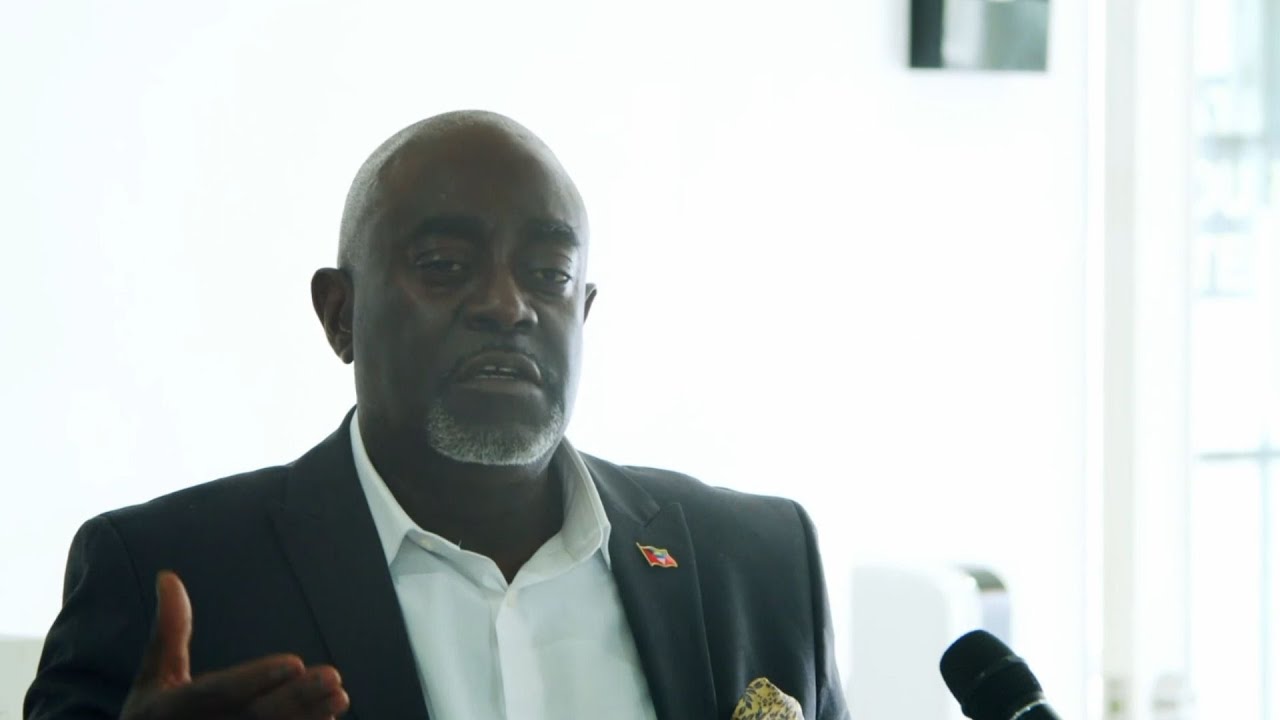
In a direct, formal response from Ambassador Daven Joseph, Commissioner for Antigua and Barbuda, the nation pushes back firmly against these claims, making clear that its stance on ocean resource management is rooted in principle, science, and sovereign law – not external funding.
Antigua and Barbuda’s core position centers on science-backed, regulated management of global ocean resources, a policy that holds regardless of any development assistance received from any country. Notably, Japan – the country most frequently targeted by campaigners in this discourse – withdrew from the IWC years ago, yet Antigua and Barbuda’s position has not shifted. “Whether Japan provides us development assistance or not, our position will not change,” Joseph emphasizes. “Because our position is based on law, on science, and on the right of Small Island Developing States to develop and benefit from our marine resources.”
This legal foundation is not an invention of Antigua and Barbuda’s policy; it is written into the foundational governing texts of international ocean governance. The original International Convention for the Regulation of Whaling was explicitly established to advance both the conservation of whale stocks and the orderly development of the whaling industry, embedding the principle of sustainable use into the IWC’s own founding document. Beyond that, the United Nations Convention on the Law of the Sea (UNCLOS) explicitly affirms the sovereign right of coastal nations to responsibly manage living marine resources within their exclusive economic zones (EEZs).
Crucially, Antigua and Barbuda stresses it does not support unregulated, unconstrained whaling. Instead, it backs a balanced framework: controlled, science-based sustainable use that meets both conservation goals and human development needs. The nation argues that one-sided conservation frameworks that ignore the livelihoods and development needs of coastal and island communities only lead to entrenched poverty. In contrast, sustainable resource management rooted in scientific evidence delivers tangible progress on food security and supports stable livelihoods for local populations.
Turning to the debate over foreign development assistance, Antigua and Barbuda makes no apologies for accepting development grants from global partners including Japan, China, the United States, and the European Union. As a small island developing state, the nation bears a disproportionate share of the costs of the global climate crisis and an unfair international economic system that it played no role in creating. International development finance for SIDS is not a charitable gift, the nation argues, much less a bribe – it is a binding obligation owed by wealthy developed nations to the world’s most vulnerable states.
To claim that the nation’s sovereign vote at the IWC (or any other international forum) has been “bought” by development assistance is not just inaccurate – it is deeply insulting. The claim implicitly assumes that the people of Antigua and Barbuda lack the independent judgment to shape their own national policy, an offensive assumption that the nation rejects outright. As experts in the management of their own waters and marine ecosystems, Antiguans and Barbudans are fully capable of determining what resource management policies serve their national interest, Joseph argues. It is particularly offensive when large international non-governmental organizations and their local partners question the nation’s intellectual capacity to govern its own natural resources.
For Antigua and Barbuda, the stakes of this debate extend far beyond the IWC’s annual agenda. More than 70 percent of the nation’s entire economy depends on ocean-related sectors, including tourism, commercial fisheries, marine transport, cruise shipping, and the potential future development of offshore oil and gas reserves. All of these sectors must deliver benefits to the people of Antigua and Barbuda first.
The nation cannot build an inclusive, homegrown Blue Economy when foreign-funded campaigns seek to delegitimize its sovereign claims every time it asserts its rights over its own waters. The unspoken message behind these campaigns, Joseph argues, is that Caribbean nations cannot be trusted to manage their own ocean resources – a claim that Antigua and Barbuda calls entirely unacceptable. “The ocean must deliver tangible benefits, jobs, and prosperity for our people. Not just for NGOs based thousands of miles away,” Joseph states.
Antigua and Barbuda’s position is clear and unwavering: the nation stands for a healthy, productive ocean, and it also stands for prosperous, empowered Caribbean communities. It supports both evidence-based conservation and equitable, people-centered development. Its stance at the IWC will always be shaped by science, international law, and the inherent right to development – never by which country provided a grant in the previous year.
Moving forward, the nation will continue to advocate for sustainable ocean resource use within the IWC’s governing framework, and will continue building a people-centered Blue Economy that serves the needs of Antiguans and Barbudans. Joseph concludes with a firm rejection of the false choice pushed by campaigners: no amount of funding will convince the nation that it must choose between protecting its marine environment and growing its economy. Rooted in science, strong legal frameworks, and Caribbean ownership of national resources, the nation proves it is possible to achieve both goals.