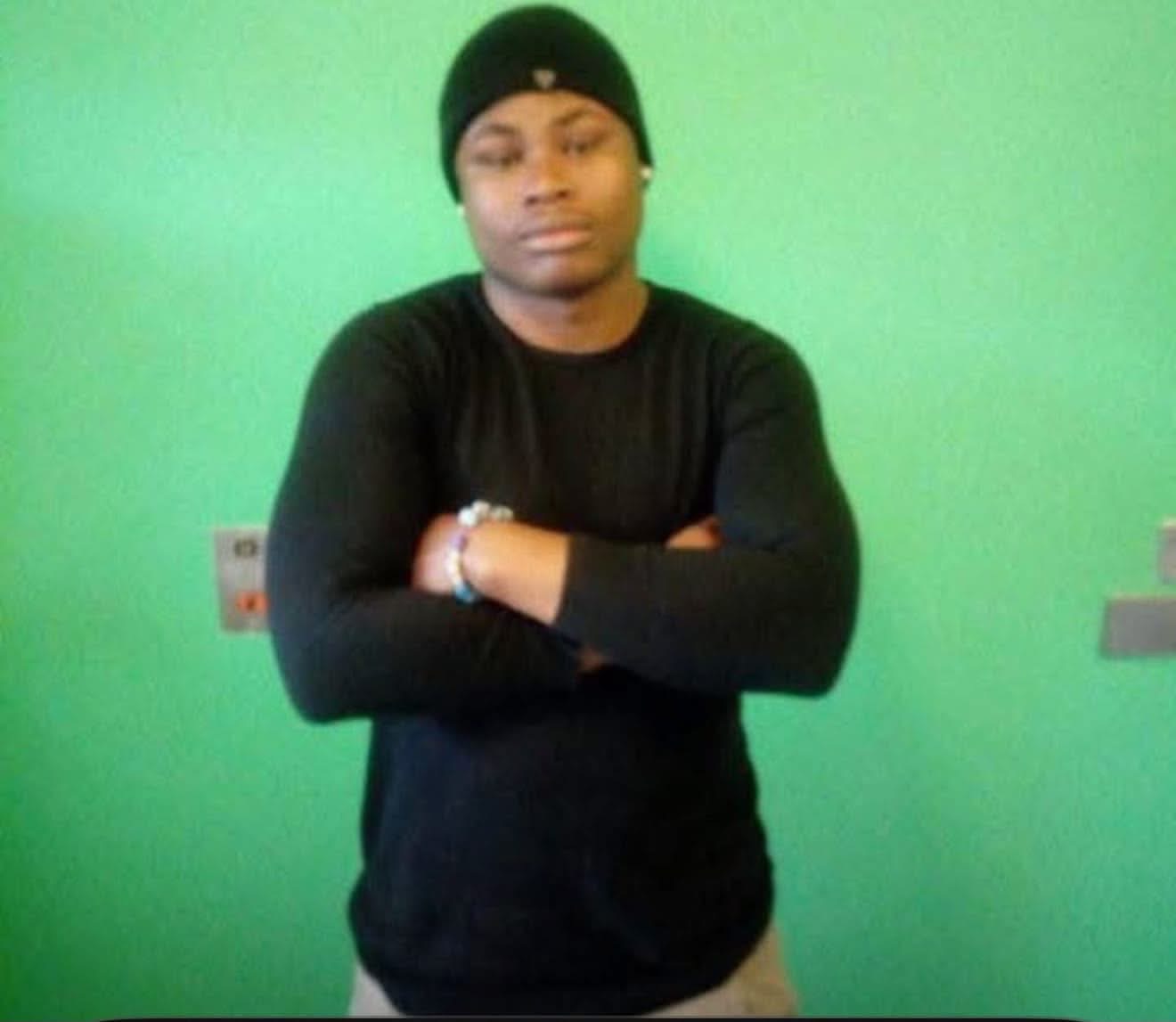
A fatal prison fire at His Majesty’s Prison on Monday afternoon has claimed the life of 30-something inmate Treon “Chucky” George, leaving another individual injured and prompting a local lawmaker to call for urgent systemic changes to mental health care in the criminal justice system. According to initial official reports, the blaze broke out in George’s cell shortly before 4 p.m., with preliminary assessments suggesting George himself started the fire. First responders from the local Fire Department arrived on scene within minutes of the emergency alert, but their efforts could not save George, who was pronounced dead shortly after the incident.
A second inmate hurt during the emergency is currently receiving medical care, though authorities have not released any details on the extent of their injuries as of press time. George’s name was not released to the public immediately following the fire, as officials followed protocol to first notify his next of kin. Investigations into the exact circumstances of the blaze are still ongoing, with further updates expected as evidence is collected and processed.
Michael Freeland, the Member of Parliament for St George, released an official statement expressing deep sorrow over the death of George, a lifelong resident of the New Winthorpes community. Freeland acknowledged the extraordinary pain of this loss, even as official investigations remain incomplete, and extended his sincerest condolences to George’s family, friends, and neighbors who knew him.
In a striking, thoughtful address, Freeland outlined the well-documented hardship that shaped George’s entire life: George was born into the prison system and lived for years with unmanaged severe mental health challenges, leading to repeated interactions with law enforcement, including past robbery allegations. Freeland emphasized that regardless of an individual’s mistakes or struggles, their humanity can never be erased. “Behind every prison number is a human being. Behind every troubled individual is a life story, often filled with circumstances, trauma, and suffering that the wider society may never fully understand,” Freeland said, noting that George was more than an inmate—he was a son, a friend, a neighbor, and a valued member of the New Winthorpes community.
Freeland argued that George’s death forces the public and policymakers to confront a series of uncomfortable but critical questions about the treatment of mentally ill people in the criminal justice system. He questioned whether carceral institutions have the proper resources, training, and infrastructure to identify, monitor, and support inmates at risk of self-harm, whether prison staff receive adequate training to manage complex psychiatric conditions, and whether communities are failing to intervene early enough to support vulnerable people before they reach crisis point and enter the justice system.
The MP pushed back against harmful common misconceptions about mental illness, noting that mental illness is not a moral failure, and the carceral system should never become a default replacement for specialized mental health care. He also clarified that the vast majority of people living with mental health conditions never commit violent or criminal acts, but when mental illness goes untreated—compounded by overlapping structural barriers including poverty, trauma, substance use disorder, homelessness, and social isolation—the outcomes can be catastrophic.
Freeland stressed that holding George accountable for his encounters with the law does not require ignoring the deeper systemic and personal circumstances that shaped his life. “Accountability and compassion can exist together,” he said. “Public safety is essential, but so are treatment, rehabilitation, and human dignity.”
He is calling for a full, transparent investigation into all circumstances surrounding the fire and George’s death, noting that the public and George’s family have a right to know exactly what happened, what mental health support and security supervision was in place, whether any missteps contributed to the tragedy, and whether the fatal incident could have been prevented. Freeland insisted this tragedy must not become just another passing news story, forgotten after a few days of public discussion.
To prevent similar deaths in the future, Freeland is pushing for sweeping systemic changes: expanded community-based mental health services, earlier intervention programs for at-risk children and adults, enhanced training for correctional staff working with mentally ill inmates, and dedicated specialized treatment facilities for inmates whose psychiatric needs cannot be safely met in a standard prison setting.
“As the Parliamentary Representative for St George, I grieve with the people of New Winthorpes,” Freeland said. “Whatever difficulties Treon experienced, and whatever mistakes he may have made, his life mattered. His death is not simply the loss of an inmate, it is the loss of one of our own.”
Freeland closed his statement hoping that George’s passing would inspire greater public compassion for people struggling silently with unmet mental health needs, and renewed commitment to building a criminal justice system that protects public safety while upholding the inherent dignity of every person in its care. He ended by extending a final wish: “May Treon rest in peace, and may his grieving family find strength during this unimaginably difficult time.”