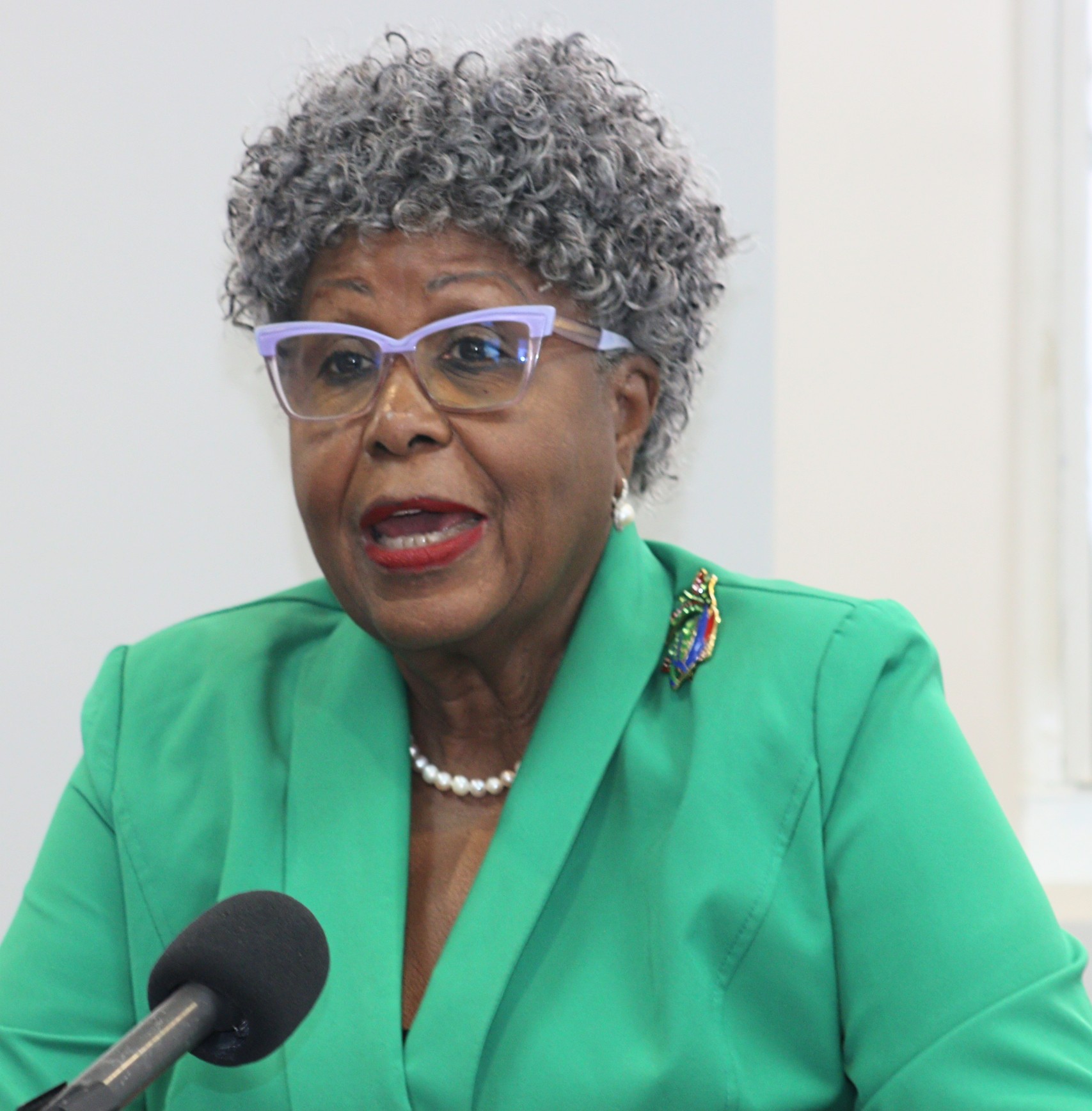
As record-breaking high temperatures and persistent dry conditions push the risk of heat-related illnesses sharply higher across Barbados, public health and senior advocacy leaders are sounding the alarm for the island nation’s older population to prioritize safety amid the extended heatwave. Meteorological authorities confirmed in an updated official weather bulletin that unusually hot conditions will remain locked in across the entire country through September and October, bringing repeated stretches of dangerous heat that require proactive precautions from all residents, especially vulnerable groups. With forecasters warning of elevated threats ranging from heat exhaustion and rapid dehydration to life-threatening heat stroke and sudden fainting, Marilyn Rice-Bowen, president of the Barbados Association of Retired Persons (BARP), has stepped up outreach to encourage older adults and their family members to take the ongoing heat emergency seriously. Speaking in an interview with Barbados TODAY, Rice-Bowen noted that while hot, sunny weather is a constant for the Caribbean nation, the current heat event poses unprecedented risks that cannot be overlooked. “For many of us, Barbados’ heat is nothing new. We have lived with hot days, strong sunshine and sometimes some uncomfortable nights. But what we are experiencing now is different,” she emphasized. Current air temperatures regularly hit 32°C to 33°C across the island, and apparent temperatures – which factor in humidity to measure how heat actually feels on the human body – often climb close to 45°C. This combination places extreme physiological strain on older bodies, Rice-Bowen explained, because aging reduces the body’s ability to regulate internal temperature efficiently. Older adults face a far higher risk of rapid dehydration, dizziness, fainting, heat exhaustion, and fatal heat stroke compared to younger populations, she added. To help seniors stay safe, BARP has released a full set of actionable guidelines tailored to older residents. Key recommendations include drinking water consistently throughout the day, even when a person does not feel thirsty, avoiding extended outdoor activity during the peak heat hours between mid-morning and late afternoon, and wearing loose-fitting, light-colored clothing that reflects sunlight. For those venturing outside, the association advises using wide-brimmed hats or sun umbrellas to block direct sun exposure. BARP also urges older adults to keep their living spaces cool and well-ventilated, using fans or air conditioning when available to lower indoor temperatures, and taking regular cool showers or baths to bring down core body temperature. Beyond individual precautions, Rice-Bowen is calling on community members to step up and support vulnerable older residents, particularly those who live alone. A quick daily check-in via a simple phone call or brief doorstep visit can make a life-saving difference for seniors who may struggle to recognize the early signs of heat illness, she said. Most critically, Rice-Bowen warned against dismissing early warning symptoms of heat-related sickness. Common red flags include confusion, persistent muscle weakness, dizziness, unexpected fainting, and severe headaches, and anyone experiencing these symptoms should seek immediate medical care, she stressed. The warning comes after Dr. Lynda Williams, president of the Barbados Association of Medical Practitioners (BAMP), confirmed earlier this month that local doctors are already seeing a sharp rise in heat-related illness among elderly patients who became sick while at home, underscoring the urgent need for proactive safety measures.