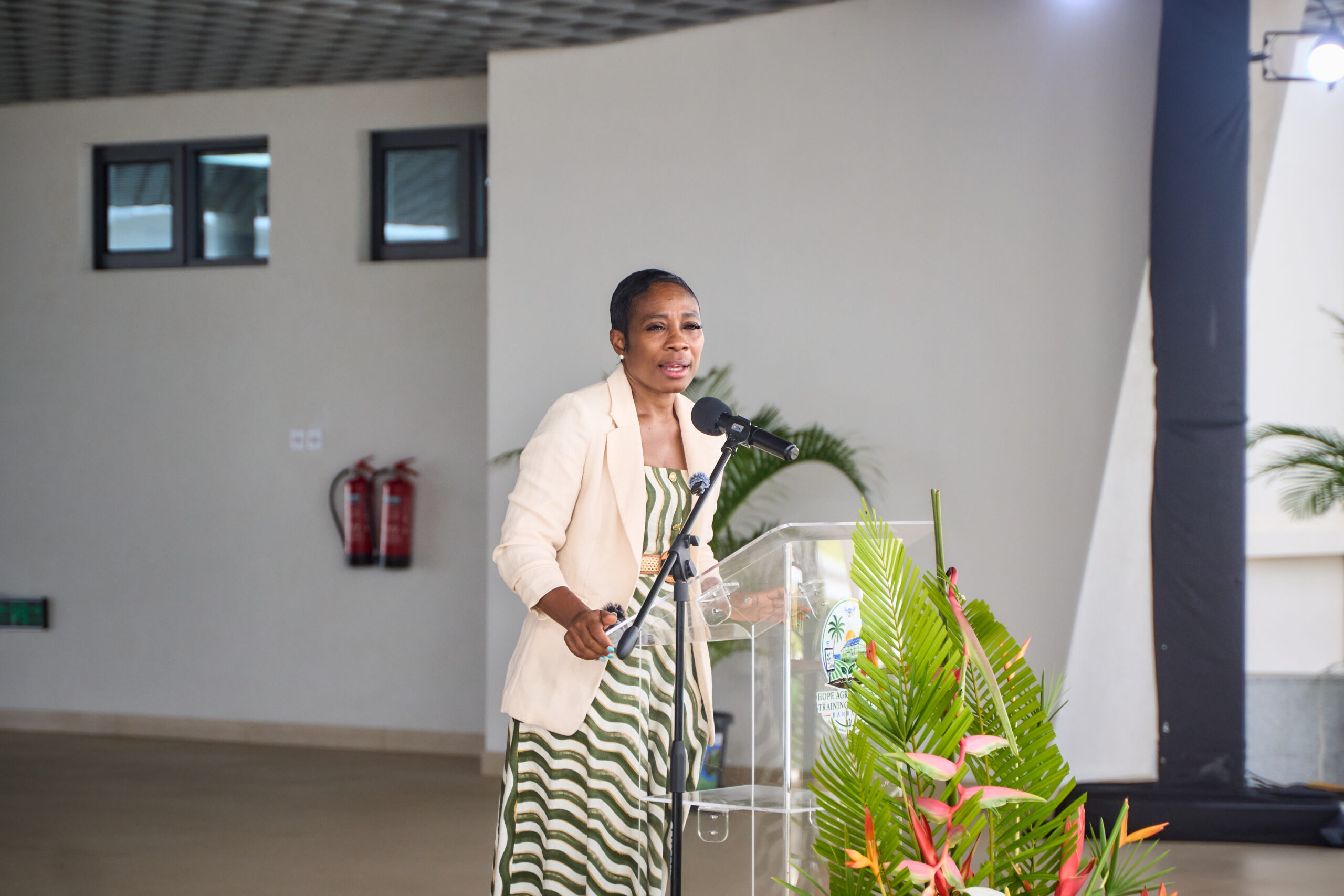
Barbados is making a bold push to revitalize its agricultural sector, with two landmark initiatives at the forefront: free farmland for qualifying graduates of the newly launched Hope Agricultural Training Institute (HATI) and the construction of what will be the Caribbean region’s largest tissue culture laboratory. Minister of Agriculture Dr. Shantal Munro-Knight made the announcements Monday as the institute welcomed its very first cohort of students, framing the moves as part of a deliberate national strategy to turn agriculture into a core economic engine and draw more young people into the industry.
Under the new graduate incentive program, HATI students who earn their diplomas or certificates and express a commitment to pursuing professional farming will receive between one and two acres of farmland at no cost. Munro-Knight emphasized that the policy was intentionally designed to remove one of the biggest barriers to entry for new young farmers, addressing longstanding underrepresentation of youth in Barbados’ agricultural workforce. “We are designing a programme within the ministry that will allow us to be able to give those graduates of HATI that are interested in actually becoming farmers,” she explained, adding “That was something that was deliberate and intentional.”
Beyond supporting new entrants, the ministry is investing heavily in upgrading agricultural production infrastructure. A state-of-the-art tissue culture laboratory is scheduled to open its doors in October, a facility Munro-Knight says will be the largest of its kind in the entire region. The lab will produce disease-free, clean planting material to significantly boost the quality of Barbados’ local agricultural output, a major upgrade that addresses longstanding gaps in the country’s supply chain for high-quality planting stock.
The government is also overhauling its existing agricultural support framework to better meet current industry needs. The Farmers’ Empowerment and Enfranchisement Drive (FEED) program is being reframed to ensure it is “fit for purpose”, while new initiatives focused on expanding agro-processing are being rolled out to add more value to local produce and create new market opportunities for farmers. This November, the ministry will launch a national challenge, inviting Barbadians across the country to develop innovative solutions to five of the most pressing challenges currently facing the island’s agricultural sector.
Munro-Knight pushed back against the common narrative that agriculture is merely an underdeveloped potential sector for Barbados, and rejected the widespread myth that young Barbadians have no interest in working in farming. The very presence of the first cohort of HATI students, she argued, disproves that claim. “The fact that you have placed that commitment and passion in agriculture demonstrates to all of us, in fact, it repudiates that myth, that young people are not interested in agriculture,” she told the incoming students.
Declaring that agriculture is already in the early stages of a national resurgence, the minister stressed that the government’s renewed focus on the sector is no accident. For too long, agriculture has been sidelined in conversations about Barbados’ economic growth, talked about only as a future opportunity rather than an immediate core driver of development. “I say that without apology, agriculture is resurging. We will take up space,” she stated. “Agriculture is perhaps one of the most underlooked elements in this society. When we think about economic growth and when we think about the future of this country, agriculture is one of the things that we speak of softly, that we speak of only as having potential, but never as a thing that will take up space and become a major driver.”
Munro-Knight told the new HATI students that they are the critical driving force needed to turn this vision of a revitalized agricultural sector into reality, urging them to embrace their role in shaping the future of Barbados’ food system and economy. “The students that are here today, you are that energy that we need. It is a big mantle that we place on your shoulders, but it is a fundamental and a necessary one,” she said, adding “Agriculture people, we are resurging, but we must do it together.”