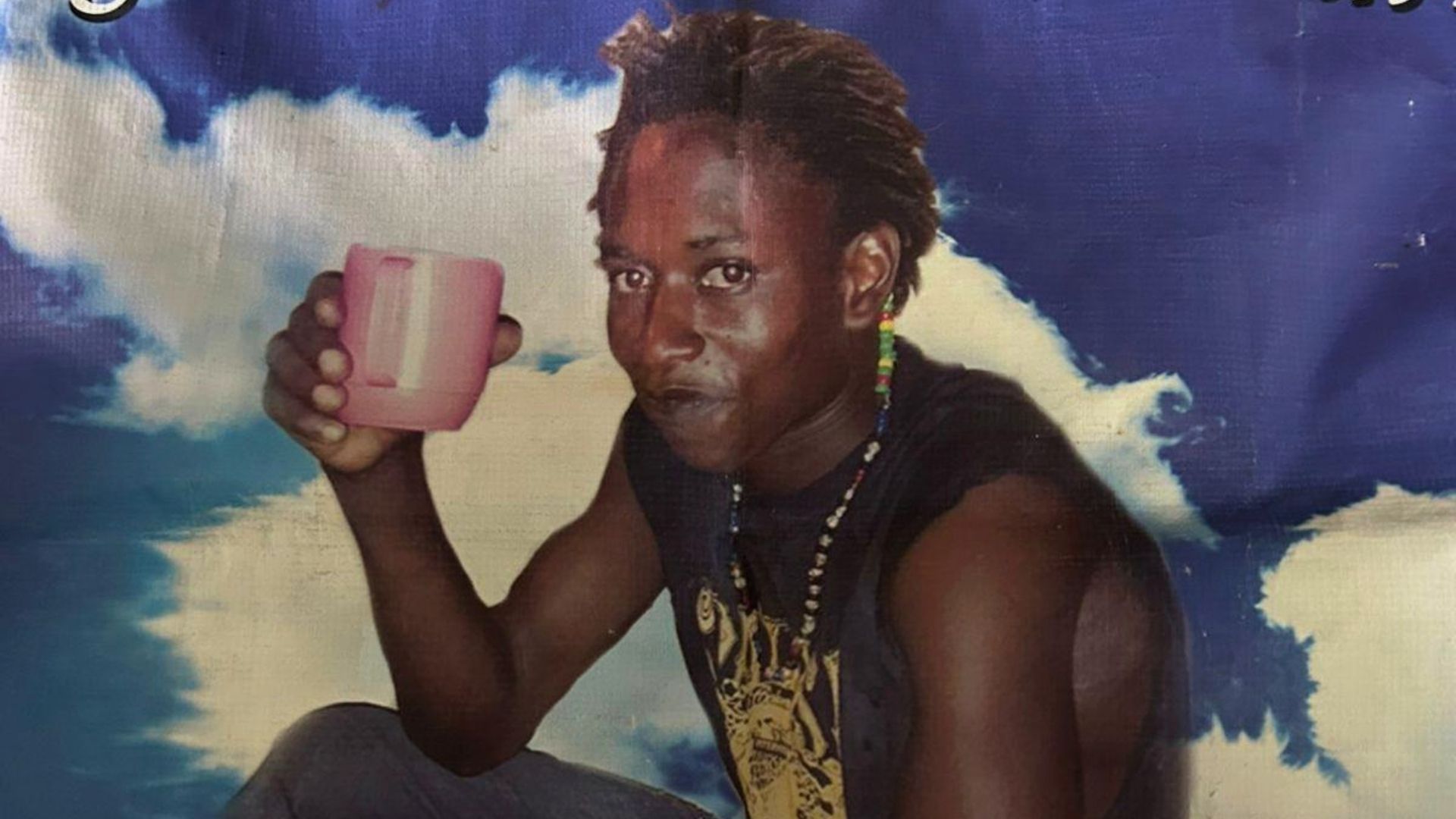
Thirteen years after 26-year-old Chacadan Daniel was found unconscious and died following his detention at Saint Lucia’s Micoud Police Station, a landmark High Court ruling has handed a partial victory to his grieving family, while casting a harsh spotlight on long-standing failures in the country’s law enforcement and judicial accountability systems.
The five-month civil trial concluded on July 29, when Justice Alvin Shiva Pariagsingh issued a scathing rebuke of state authorities, ordering the government to pay Frances Daniel, Chacadan’s mother, $75,000 in combined constitutional and vindicatory damages. The ruling centered on the state’s decades-long refusal to complete a thorough, timely, and transparent investigation into the circumstances of Daniel’s death. Beyond financial compensation, the court gave state investigators a binding six-month deadline to wrap up the probe; if they fail to meet the deadline, they will be required to submit a public report explaining outstanding work, justifying any delays, and outlining a revised completion timeline.
The case dates back to October 2013, when Chacadan Daniel was found unresponsive in police custody and later died. A 2015 coroner’s inquest formally ruled his death an unlawful killing, but the 11 years that followed have been marked by repeated obstructions to the family’s search for answers. The investigation has been plagued by irregularities, including evidence that went missing only to resurface unexpectedly at a later date, leaving key questions about what happened inside the police station unanswered.
One month after the ruling, the Daniel family broke their silence in an official statement sent to local outlet St. Lucia Times, describing the judgment as bittersweet after more than a decade of fighting for accountability. The family emphasized that the court’s decision confirms a basic truth: Chacadan was denied the constitutional protections guaranteed to all Saint Lucians, and both he and his mother were failed by the state’s refusal to uphold its own legal obligations.
Frances Daniel initially brought the civil claim against the Attorney General, acting on behalf of the state, in large part because of the severe harm the 13-year ordeal inflicted on her physical and mental health. The family has pushed back against claims made by state lawyers during the trial, who argued that Daniel had failed to produce specialized psychiatric evidence and declined to attend a court-recommended specialist evaluation. According to the family, this requirement directly conflicted with Daniel’s Rastafari faith, making the state’s argument misinformed and unfair.
For the Daniel family, the court victory is not just a personal step toward justice—it is a catalyst for broader systemic change. The statement argues that the prolonged lack of accountability and transparency in Chacadan’s case, from the unlawful killing itself to the botched investigation, reflects unprecedented failures among officials entrusted with upholding the rule of law in Saint Lucia. The family is now calling for a full, top-to-bottom review of the country’s judicial policies, laws, and procedural frameworks to address gaps that have allowed for this kind of prolonged injustice to occur.