As Belize grapples with a deepening cost-of-living and energy crisis that has stretched household budgets thin for working-class and low-income families, top labor representatives are raising a pressing question: can the country’s politicians, who collect generous taxpayer-funded salaries and benefits, truly understand the daily struggles of ordinary citizens?
Against a backdrop of soaring fuel and electricity prices that have left many Belizeans struggling to cover basic needs from grocery bills to utility payments, leaders from the National Trade Union Congress of Belize (NTUCB) have spoken out about the government’s failure to engage on proposed solutions. NTUCB President Ella Waight told reporters that her organization submitted a set of 12 policy recommendations to the prime minister one to two months prior, all targeted at easing the economic pressure driven largely by sky-high fuel costs. To date, Waight says the government has not even issued a formal acknowledgement of the proposals, let alone agreed to open a dialogue with union representatives.
“What else can we do? Will it take us storming into an office? We do not want to do that,” Waight said, emphasizing that the NTUCB remains committed to collaborative social dialogue, the same approach the government uses for internal cabinet discussions. “We want [the prime minister] to reach out to the workers of the country, [to their] representatives.”
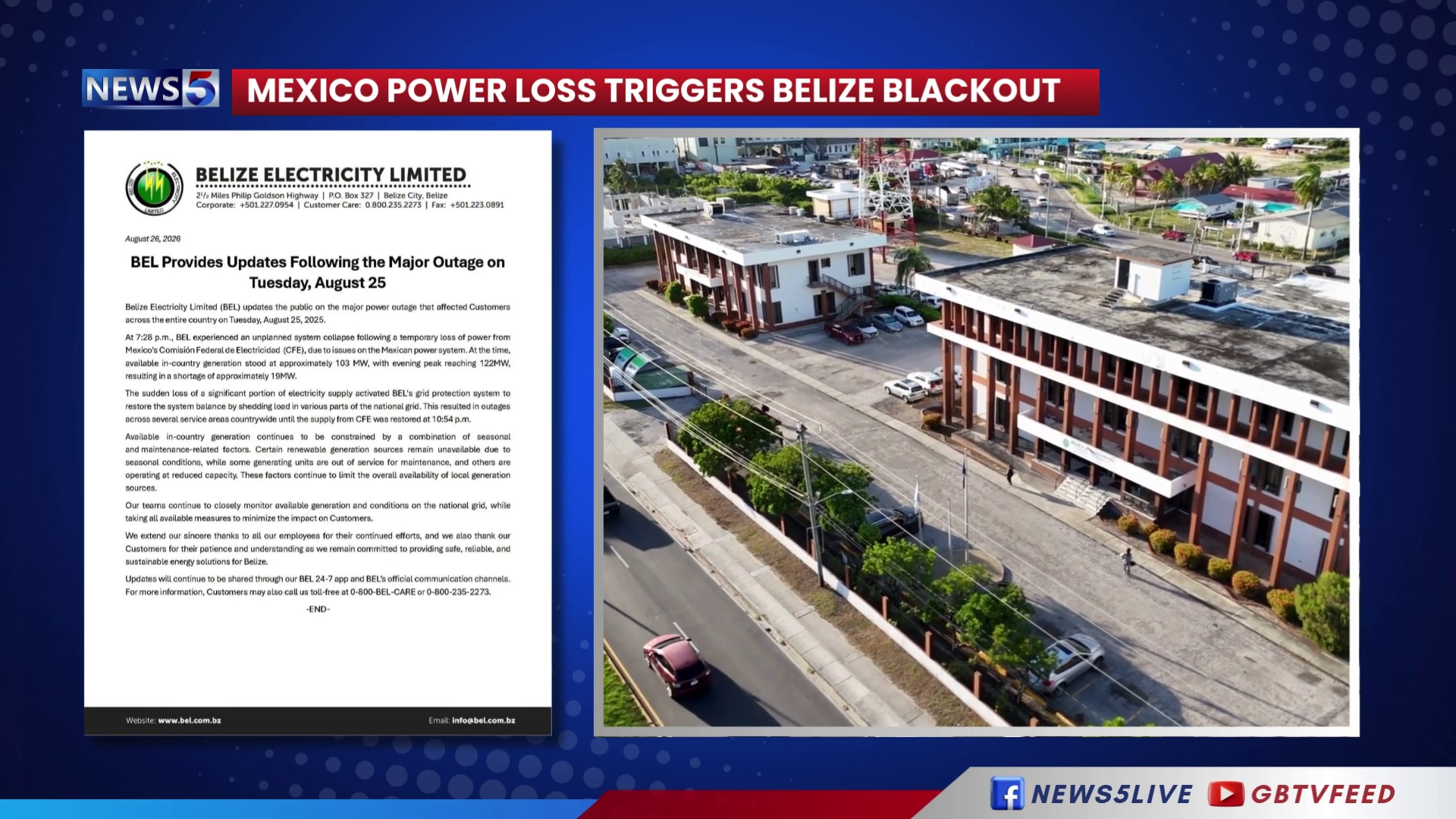
Waight acknowledged that power outages affect all segments of Belizean society, including top government officials, noting that even prime minister and cabinet ministers feel the discomfort of lost air conditioning and fans during blackouts, just like ordinary residents. When asked whether politicians’ generous compensation packages—including salaries, housing and travel stipends, entertainment and telephone allowances—prevent them from empathizing with the public’s hardship, Waight said she believes most politicians retain some connection to working life. “I think some and I would go as far as say most would, because not everybody they are related to are ministers and business owners. Some people they are related to are just like me and you,” she explained.
The conversation around political disconnect from the affordability crisis has been further amplified by Union Senator Glenfield Dennison, who is calling out the taxpayer-funded fuel benefits that many politicians and senior public officials enjoy. For average Belizeans, every trip to the gas pump adds new strain to already tight household budgets, but Dennison argues that decision-makers who do not pay for their own fuel or drive their own vehicles have completely lost touch with the reality on the ground.
“I will say this, and this include public officers, anybody who has been getting just gas paid for, they have a government vehicle, a statutory body vehicle, the utility company that they are directors for provides a vehicle for them, any of those people who don’t buy their own fuel, can’t relate to what is happening on the streets right now,” Dennison said. “Especially if you have been doing that for the last six years, you don’t even know what it is like to fill up your gas tank. Lot of these people have drivers. So transportation for them is not an expense. So I feel like once you can’t relate to buying your own gas you can’t relate to the average Belizean, straight like that.”
Dennison has repeatedly pushed the Belizean government to develop a targeted, comprehensive national plan to curb rising living costs and deliver immediate financial relief to struggling households. This report is a transcript of an evening television broadcast, with Kriol-language remarks rendered in standard spelling for accessibility.