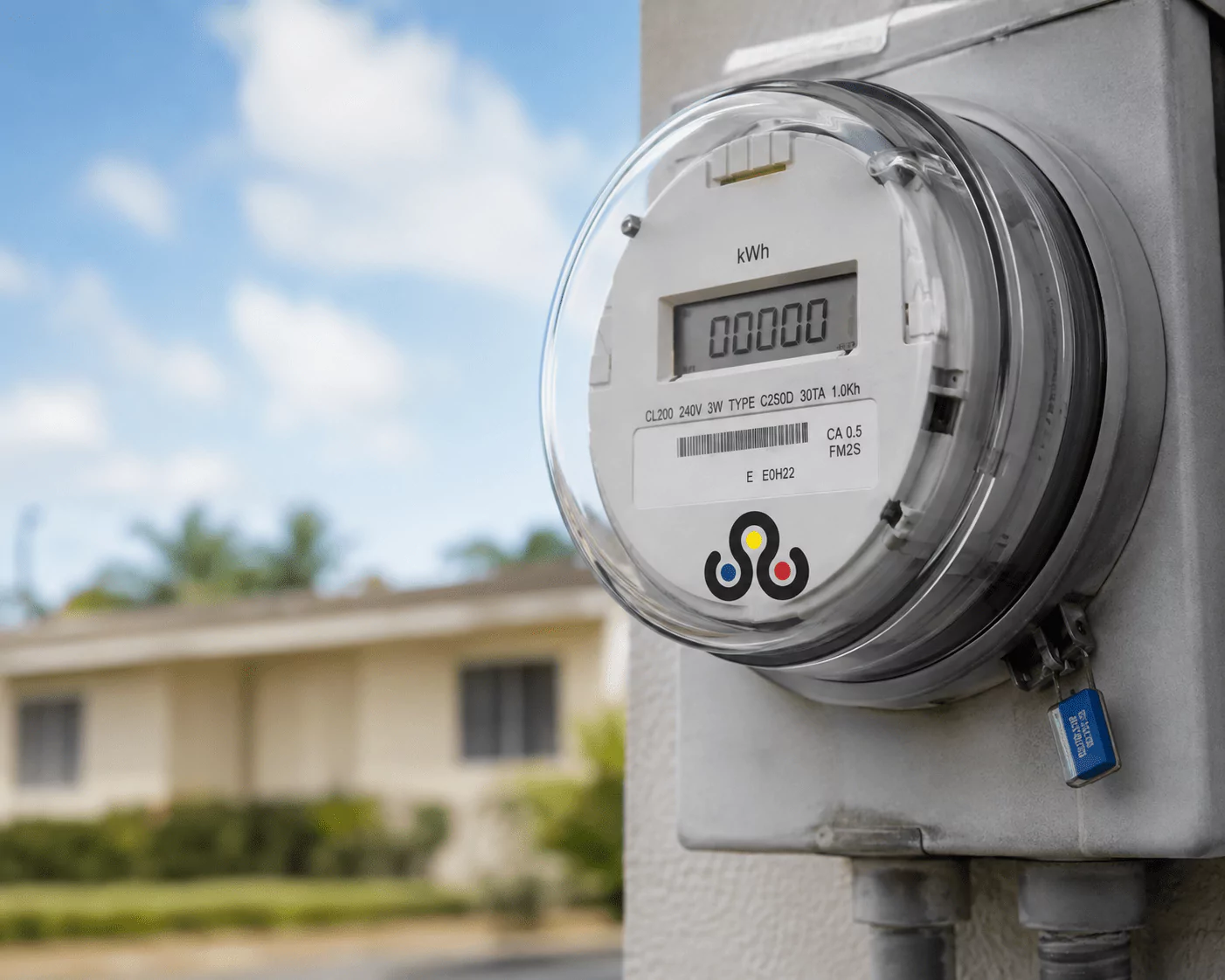
Antigua’s primary public utilities provider is moving forward with a transformative $25 million investment in cutting-edge automated metering infrastructure (AMI), a upgrade designed to resolve longstanding billing inaccuracies, empower customers with real-time consumption data, and streamline on-site operations for staff. The Antigua Public Utilities Authority (APUA) has already initiated orders for automated water metering units, and is currently finalizing funding arrangements to roll out the same technology for electricity meters across the island, according to Acting Chief Executive Officer Roger Tong.
Following successful small-scale pilot tests to validate the technology’s performance, APUA is preparing to scale up the deployment of the new system over the coming months. Unlike traditional manual metering that requires trained staff to visit residential and commercial properties to collect usage data, the AMI system automatically transmits real-time consumption readings directly to a centralized cloud server, which then generates accurate customer bills with no manual intervention.
“Once the AMI network is fully operational, meter readers will no longer need to travel across the island to access individual properties to collect readings,” Tong explained in a recent press briefing. “Every usage reading is sent automatically to our central server, and bills are generated directly from that authenticated data.”
Andre Mathias, APUA’s Electricity Business Unit Manager, hailed the modernization project as a transformative shift for both the authority and its 100,000+ residential and commercial customers across Antigua. For end users, the system unlocks unprecedented visibility into energy and water usage: electricity customers will be able to track their consumption on an hourly basis, allowing them to identify peak usage periods, adjust their habits to cut waste, and lower monthly utility costs. Water customers will also receive far more frequent, accurate usage updates than the current manual system allows.
Beyond customer empowerment, the AMI system delivers major operational benefits for APUA. The technology enables the authority to continuously monitor grid voltage levels, detect unauthorized meter tampering in real time, and quickly pinpoint the exact locations of power outages to speed up restoration work. If any individual attempts to alter or interfere with a metering unit, APUA’s central operations team will receive an immediate alert, Mathias noted.
The system also supports remote disconnection and reconnection of utility services, a change that eliminates the need for staff to travel to properties for these service changes. Mathias emphasized that the authority will never implement remote service changes without prior notification to affected customers, saying “We wouldn’t be so irresponsible to disconnect and reconnect without advising the customer.”
Tong added that the automated system will eliminate a wide range of errors that have plagued the current manual setup, including inaccuracies from aging faulty mechanical meters, typos from manual data entry, and billing inconsistencies caused by delayed readings. The new system will also resolve recurring issues where meter readers cannot access properties due to locked gates, aggressive dogs, overgrown vegetation, or other access barriers.
APUA has long acknowledged that delayed readings often lead to customers receiving bills that cover longer than the standard billing cycle, creating unexpected high monthly charges that strain household budgets. Currently, the authority addresses this issue by adjusting the next billing cycle to be shorter to balance out the total usage, but Tong says the AMI system will eliminate this inconvenience entirely. Moving forward, APUA also plans to proactively notify customers whenever readings are delayed during the transition period, and clearly explain the cause of any scheduling disruptions.
Mathias said APUA targets to launch large-scale deployment of the new automated meters either in the latter half of 2024 or early 2025, depending on funding and supply chain timelines. Tong noted that the $25 million price tag reflects the massive scope of the full-network upgrade, calling it a serious, long-term investment that will improve utility services for all Antiguans for decades to come.