A highly anticipated summer youth employment initiative launched by Suriname’s Ministry of Youth Development and Sport (JOS) has exceeded expectations, attracting more than 1,000 applications from young job seekers for just 750 available positions. Open exclusively to enrolled students aged 16 to 25, the program is scheduled to kick off on August 31 across all ten of Suriname’s administrative districts, with pre-employment preparation already underway this week for selected participants. The Surinamese government has allocated 4 million Surinamese dollars to fund the initiative, which will pay each participant 400 Surinamese dollars per working day.
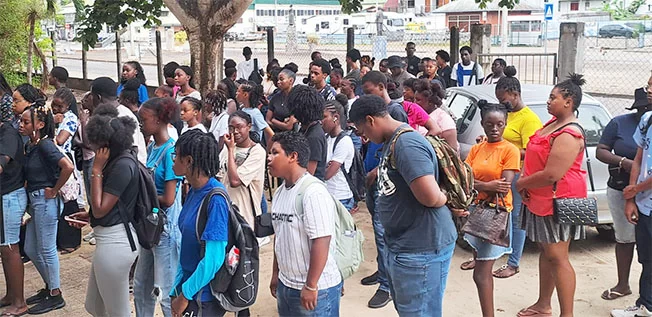
The 750 selected young people will be split into two sequential cohorts, each working a 10-day shift from 8 a.m. to 1 p.m. daily. The first cohort will complete their full assignment before the second cohort begins their work period. Pre-employment skill-building teach-ins launched this Tuesday for youth from the Wanica, Saramacca, Commewijne and Coronie districts, with these sessions running over two days to equip participants with core competencies they will need during the program. Young people from the remaining six districts will receive their training on Thursday and Friday. Following the completion of training, all participants will sign employment contracts and receive an official rulebook outlining the requirements they must adhere to throughout the program.
The summer employment project is a core component of JOS’s GRO (Growth Towards Development) holiday program, implemented in partnership with the Directorate of Public Green Space and Waste Management. Selected participants will be deployed across a range of community-focused assignments, including roles at local social care facilities and community litter clean-up initiatives across the country.
Milton Tuart, JOS’s deputy director for Youth Centers, explained that the initiative goes far beyond offering temporary seasonal work. Beyond earning income over the school break, the program is designed to help young people build transferable professional skills that will serve them in the future open labor market, including teamwork, clear communication, leadership capabilities and critical problem-solving thinking. Tuart added that the program also aims to instill a strong sense of social responsibility in participants. By contributing to community work at social institutions and cleaning up public spaces, young people get to experience firsthand the impact they can have on improving their local environments and communities.
Demand for the program far outstripped the 750 spots the ministry capped ahead of registration, forcing organizers to conduct a competitive selection process to choose participants. In addition to the eligibility requirements of age and active school enrollment, organizers factored in regional accessibility and the availability of qualified supervision when making selections. Transportation barriers are particularly common for young people living in Suriname’s inland regions, so the program implemented a clustered selection model to enable participation from these underserved areas. As a result, young people from remote villages in Upper Suriname, Apoera and Upper Tapanahony were among the selected participants.