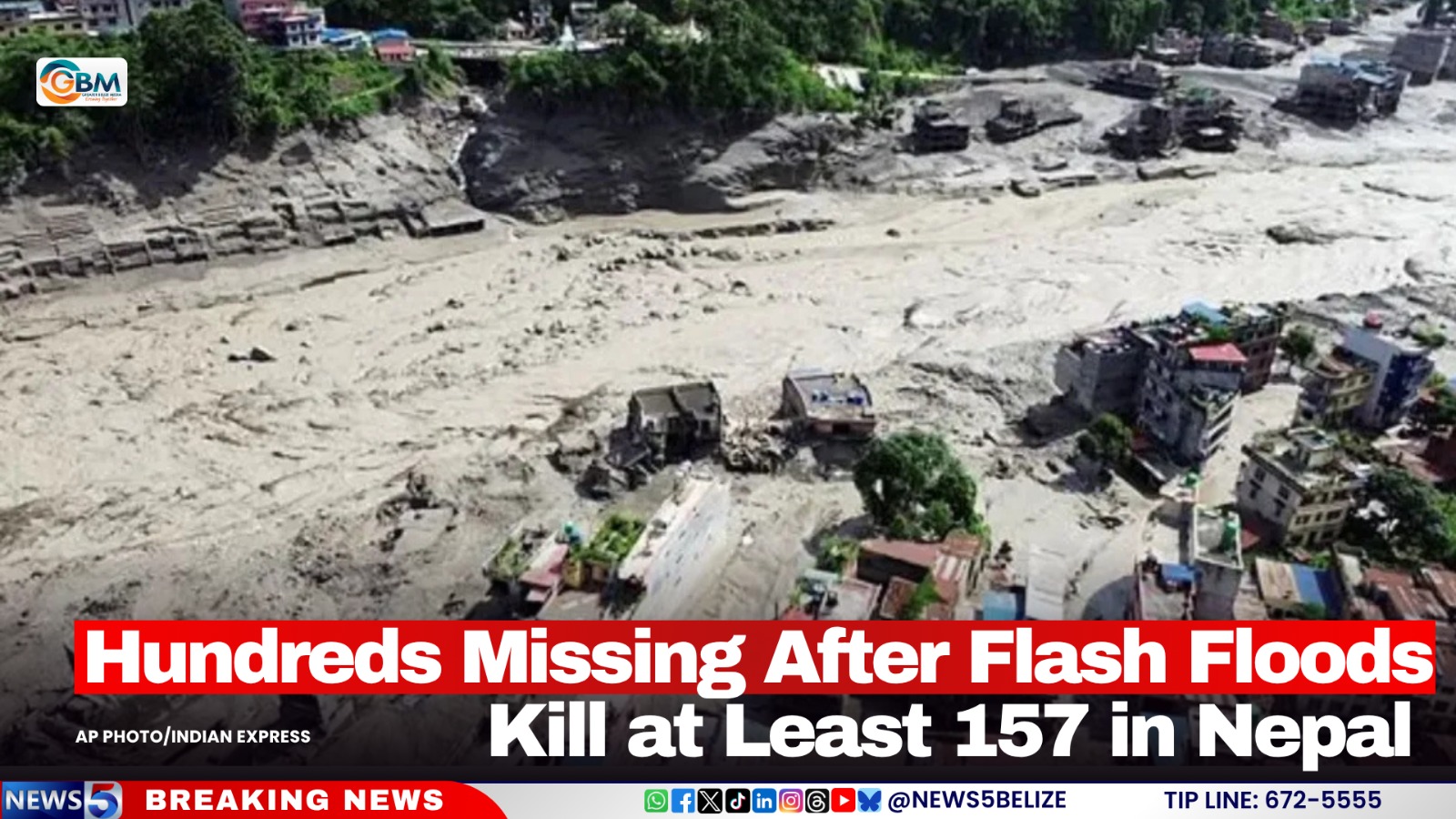
In a catastrophic natural disaster that has rocked the trans-border region between Nepal and southern Tibet, flash floods and subsequent mudslides have claimed at least 160 lives and left hundreds of people unaccounted for, with rescue teams scrambling to reach cut-off areas amid challenging terrain. The disaster unfolded on August 26, 2026, when a sudden surge of water, mud, and debris swept through Nepal’s mountainous Rasuwa district along the Bhote Koshi River, destroying entire residential structures, sweeping vehicles off roads, and wiping out critical local infrastructure. The devastation also spilled across the border into China’s Tibet Autonomous Region, where authorities confirmed three fatalities and 265 people missing after a mudslide hit a key border crossing in Gyirong.
What makes this tragedy particularly alarming is the large number of travelers among the missing. The popular trekking route leading to Mount Kailash, a destination drawing thousands of international pilgrims and hikers each year, passes directly through the affected area. Official data from the Nepal Tourism Board puts the total number of missing travelers at 384, including 291 foreign nationals and 93 local Nepalese citizens. Local government teams have been working around the clock to document missing person reports from anxious families waiting for word of their loved ones, many of whom have been unable to contact relatives since the flood hit.
Meteorological and geological researchers have been working to pinpoint the exact cause of the sudden flood, a common hazard in the high Himalayas that has become more frequent amid shifting climate patterns. Initial investigations point to a combination of geological events: a large chunk of rock and ice dislodged from a mountain slope and entered the Bhote Koshi River upstream near the border, triggering the catastrophic surge. Scientists have also highlighted the possibility of a glacial collapse as a contributing factor. Compounding this, Germany’s Research Centre for Geosciences recorded a magnitude 4.4 earthquake in the area just moments before security cameras captured the massive wall of water and debris moving through the border zone, leading many experts to speculate the seismic event may have triggered the ice and rock collapse.
Rescue operations have been hampered by the region’s rugged, steep terrain, which makes ground access nearly impossible immediately after a major disaster. Helicopter teams have been deployed to airlift stranded residents and search for survivors, but ongoing unstable conditions and residual flood risks have slowed progress. As of the latest update, the full scope of damage to property and infrastructure remains unknown, with rescue and recovery operations continuing to expand into more remote areas of the district.