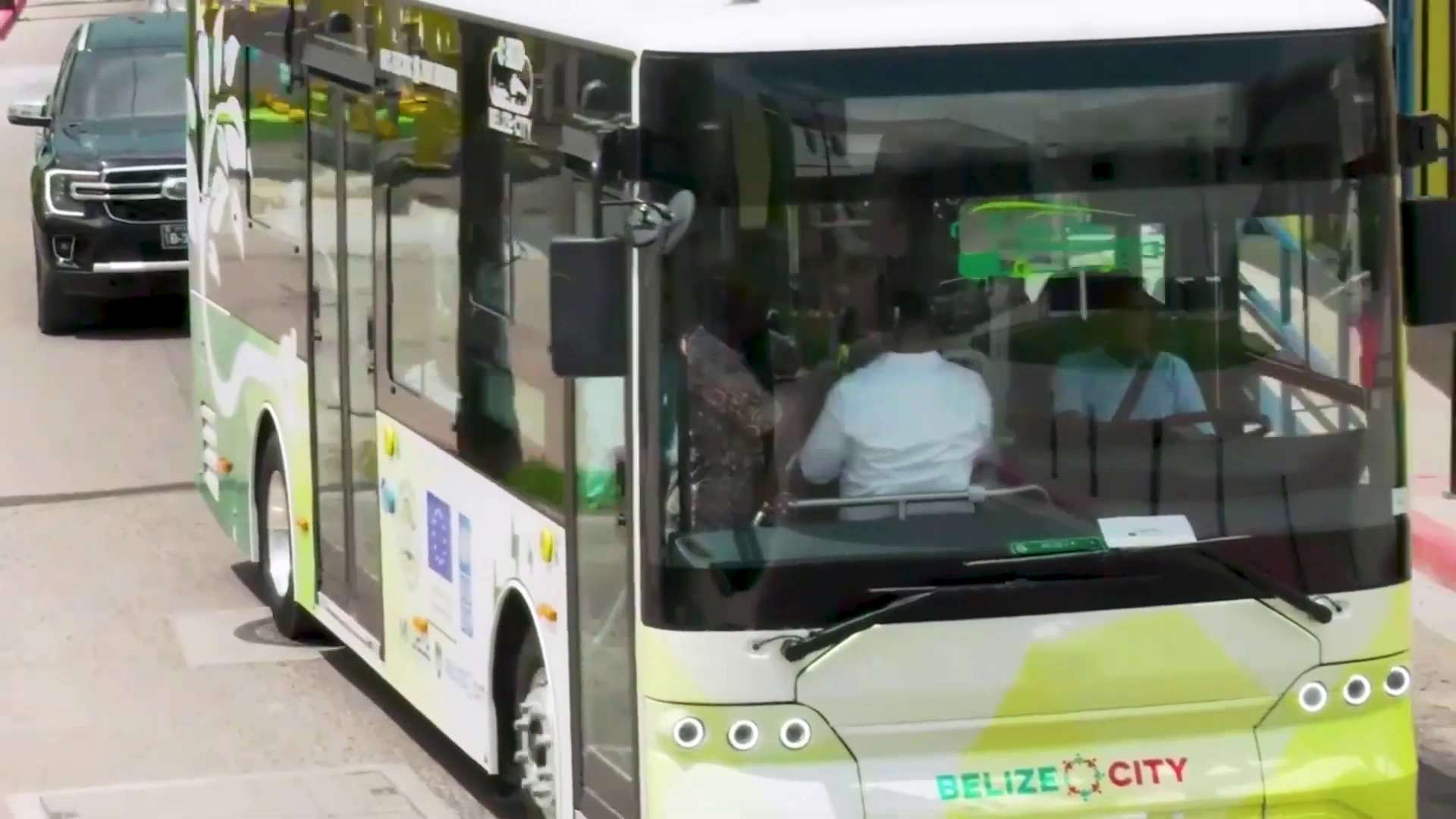
In a formal policy announcement made on August 25, 2026, Belize’s Minister of Transport Dr. Louis Zabaneh confirmed that the National Bus Company (NBC) is on track to complete its transition to a 100 percent electric bus fleet by 2027, reaffirming the state-owned operator’s confidence in meeting the aggressive sustainability target.
The milestone plan, which has received formal approval from the national Cabinet, redirects $20.9 million in planned government equity investment originally earmarked for new terminal infrastructure toward the purchase of 24 new electric buses and the installation of nationwide charging infrastructure. This strategic shift is not arbitrary: it is rooted in empirical data collected during a multi-month pilot project jointly funded by the United Nations Development Programme (UNDP) and the European Union (EU), which demonstrated clear economic and operational benefits of electric public transit.
According to the public report released from the pilot, electric buses cut energy costs to just 22 percent of what is required to operate comparable diesel-powered models, a savings that is projected to dramatically improve NBC’s long-term operating profitability. To advance the rollout, the government has been negotiating a grant assistance package with Taiwanese partners for more than a year. While minor supply chain delays have pushed the arrival of the first batch of new buses from the originally planned September 2026 to January 2027, the first 24 units will represent nearly one-third of the 75 total new electric buses NBC has publicly committed to acquiring for the full fleet transition.
Once the government’s equity contribution delivers the first third of the fleet, NBC will leverage the improved operating profitability from lower energy costs to secure private and commercial financing for the remaining 50 electric buses. Dr. Zabaneh added that government officials have already held extensive talks with EU representatives, who have signaled support for the initiative through connections to European electric bus manufacturing partners. To streamline the transition and remove older, high-emission vehicles from operation, NBC has finalized a list of 38 aging diesel buses that will be auctioned off to the public once the new electric units enter service.
This transition marks a major shift in the country’s public transportation landscape, pairing climate action with tangible economic benefits for the state-owned bus operator. The decision to reallocate infrastructure investment to rolling stock reflects a policy priority on decarbonizing public transit while improving long-term financial sustainability for the national bus system.