A proposed $200 million government-to-government loan from Taiwan to Belize’s Briceño administration has ignited heated political debate over national spending priorities, with opposition leaders questioning the government’s lack of a clear allocation plan amid soaring household energy costs. The 20-year flexible financing package, which has no earmarked projects attached, will disburse $40 million to Belize by the end of 2026, with the full amount rolled out over a five-year period.
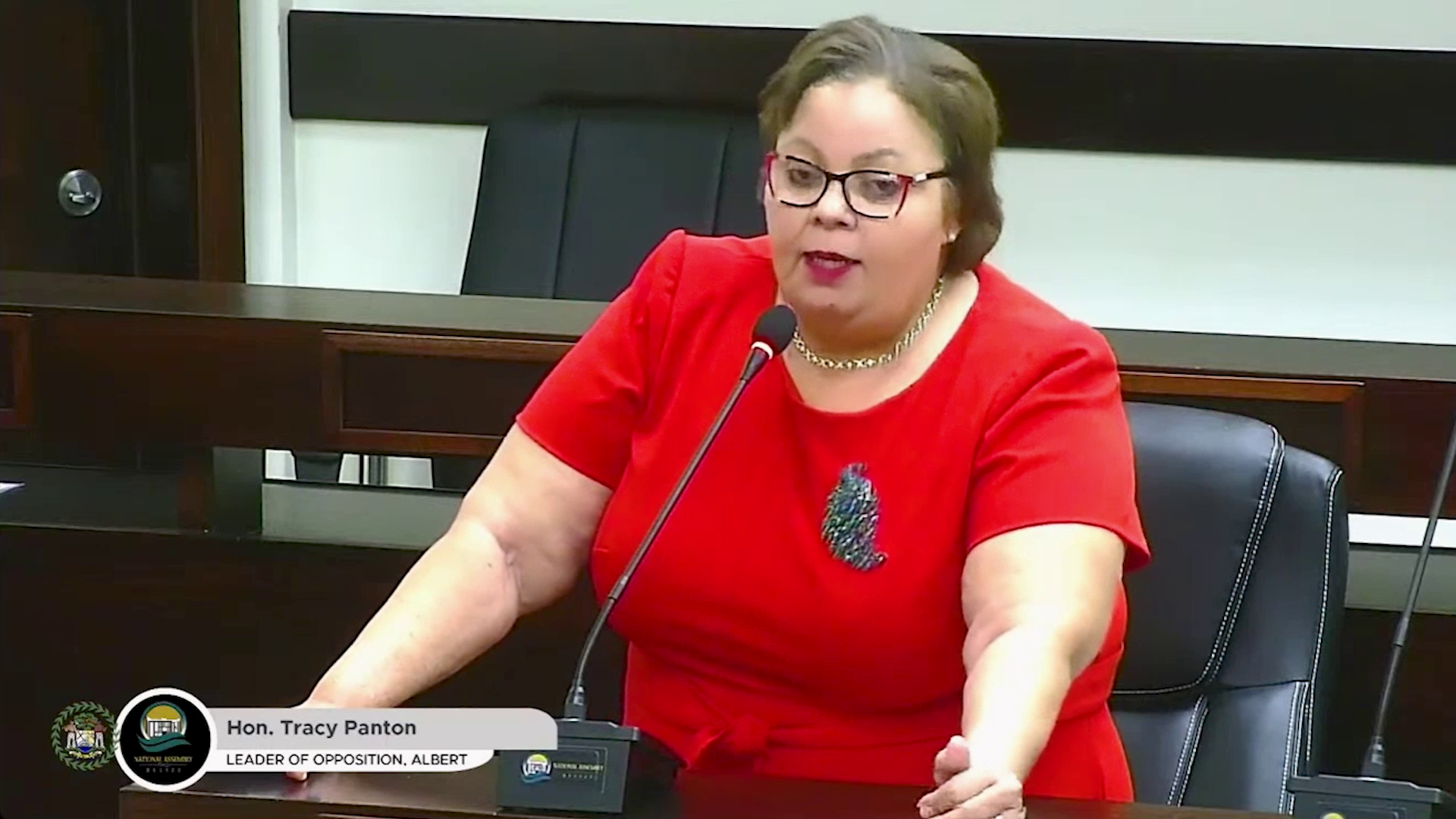
Opposition Leader Tracy Panton has centered her criticism on the lack of transparency around how much of the funding will be directed toward improving Belize’s energy security — a pressing issue for ordinary citizens grappling with exponentially rising electricity bills that show no signs of slowing. Panton told parliament that Belizean households are currently bearing crippling energy costs with no clear policy solution from the incumbent administration, demanding clarity on whether the loan will address this urgent livelihood crisis. Panton specifically called out the government for failing to outline what portion of the $100 million disbursement earmarked for the first phase of the loan will be allocated to energy infrastructure and cost relief.
In response to opposition scrutiny, Prime Minister John Briceño defended the flexible terms of the agreement, noting that the unrestricted nature of the loan is a deliberate choice designed to allow the government to cover local matching fund requirements for larger capital investment projects backed by multilateral development partners. Briceño clarified that priority areas for spending include ongoing core infrastructure projects, such as the ongoing expansion and upgrade of the George Price Highway, one of the country’s most critical transportation arteries. The prime minister pushed back on criticism, noting that the agreement is a standard government-to-government financing arrangement, and that the government’s capital investment plan will deliver broad benefits to the Belizean economy.
The debate comes as Belize continues to navigate economic headwinds driven by global energy price volatility that has pushed up utility costs for households across the country, making energy affordability a top political issue ahead of future policy debates. The lack of earmarked spending has raised questions about fiscal accountability even as the government frames the loan as a flexible tool to advance ongoing national development projects.