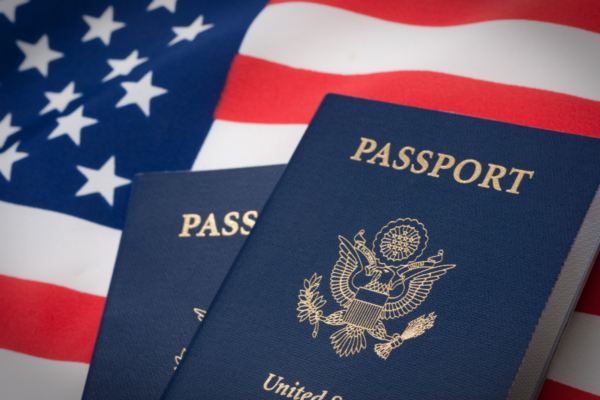
The United States Embassy based in Port of Spain, Trinidad and Tobago, has issued a formal public reminder to U.S. citizens residing or traveling in the region about a little-known but consequential federal policy: falling seriously behind on child-support obligations can lead to being blocked from obtaining a new passport or even having an existing travel document revoked.
Per long-standing guidelines administered by the U.S. Department of State, the policy sets a clear threshold for enforcement: any American citizen who accumulates more than $2,500 in unpaid child support is automatically classified as ineligible to receive a new U.S. passport. For citizens who already hold a valid passport and meet the criteria for serious arrears, federal authorities also have the authority to withdraw the travel document’s validity.
The enforcement of this rule relies on close inter-agency coordination. The State Department works in tandem with the U.S. Department of Health and Human Services, as well as individual state-level child-support enforcement agencies across the country, to identify non-compliant individuals and process passport restrictions.
Federal officials are urging anyone who may be at risk of this enforcement to take proactive steps before submitting a passport application or booking international travel. The guidance advises affected people to reach out directly to the appropriate state child-support agency as soon as possible to negotiate a payment arrangement or settle the outstanding debt before their travel plans are disrupted.
For citizens who face unexpected passport revocation while already outside the United States, the policy includes a narrow exception for emergency travel back to the country. In these cases, individuals will typically only be issued a limited-validity passport that is restricted to covering direct travel back to U.S. territory, preventing any additional international travel until the outstanding child-support debt is resolved.