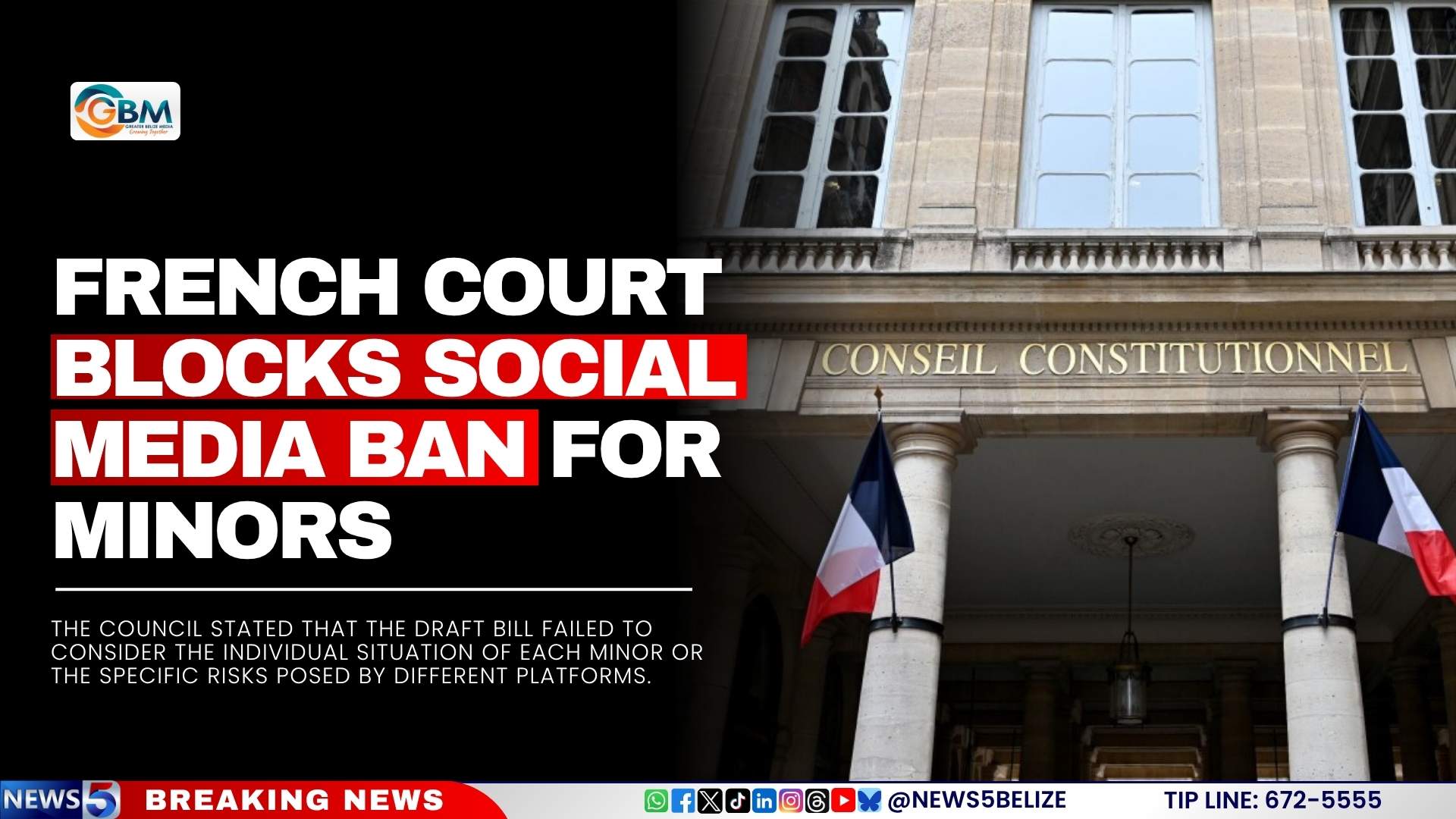
In a landmark ruling delivered on August 14, 2026, France’s highest constitutional body has halted a groundbreaking proposed law that would have made the nation the first in the European Union to enforce a full ban on social media use for children under 15 years old.
The Constitutional Council’s decision centered on three key criticisms of the draft legislation. First, the council found the bill’s scope excessively broad, arguing that it failed to account for the unique circumstances of individual minors and the varying levels of risk presented by different social media platforms. Second, the court ruled that the proposed mandatory age verification for all social media users created unacceptable threats to personal privacy, noting that widespread age-checking requirements would collect sensitive user data that could be misused or compromised. Finally, the council concluded that while protecting young people from online harms is a valid and important public goal, the sweeping restrictions laid out in the bill were neither necessary nor proportionate to meet that objective, and they unjustly infringed on the constitutional rights to freedom of expression and communication.
The rejected legislation, which had already secured approval from French lawmakers, planned a phased rollout: it would have blocked new account creation for users under 15 starting this September, before requiring age verification checks for all existing platform users by January 2027.
In response to the court’s ruling, President Emmanuel Macron has moved quickly to direct Prime Minister Sébastien Lecornu to draft a revised version of the legislation as a matter of urgency. A spokesperson for Macron’s administration confirmed that the French government remains committed to implementing a targeted age-based restriction on minor social media use, with the unchanged goal of launching the new framework by spring 2027.
The French decision comes amid a growing global push to introduce minimum age limits for social media platforms. Last December, Australia became one of the first major economies to announce its own minimum age rules, and a wave of countries have followed with their own proposals since. Britain unveiled similar draft plans in June this year, with a parliamentary vote scheduled before the end of December, while Spain, Greece, and Denmark are all currently developing their own targeted restrictions to protect minors online.