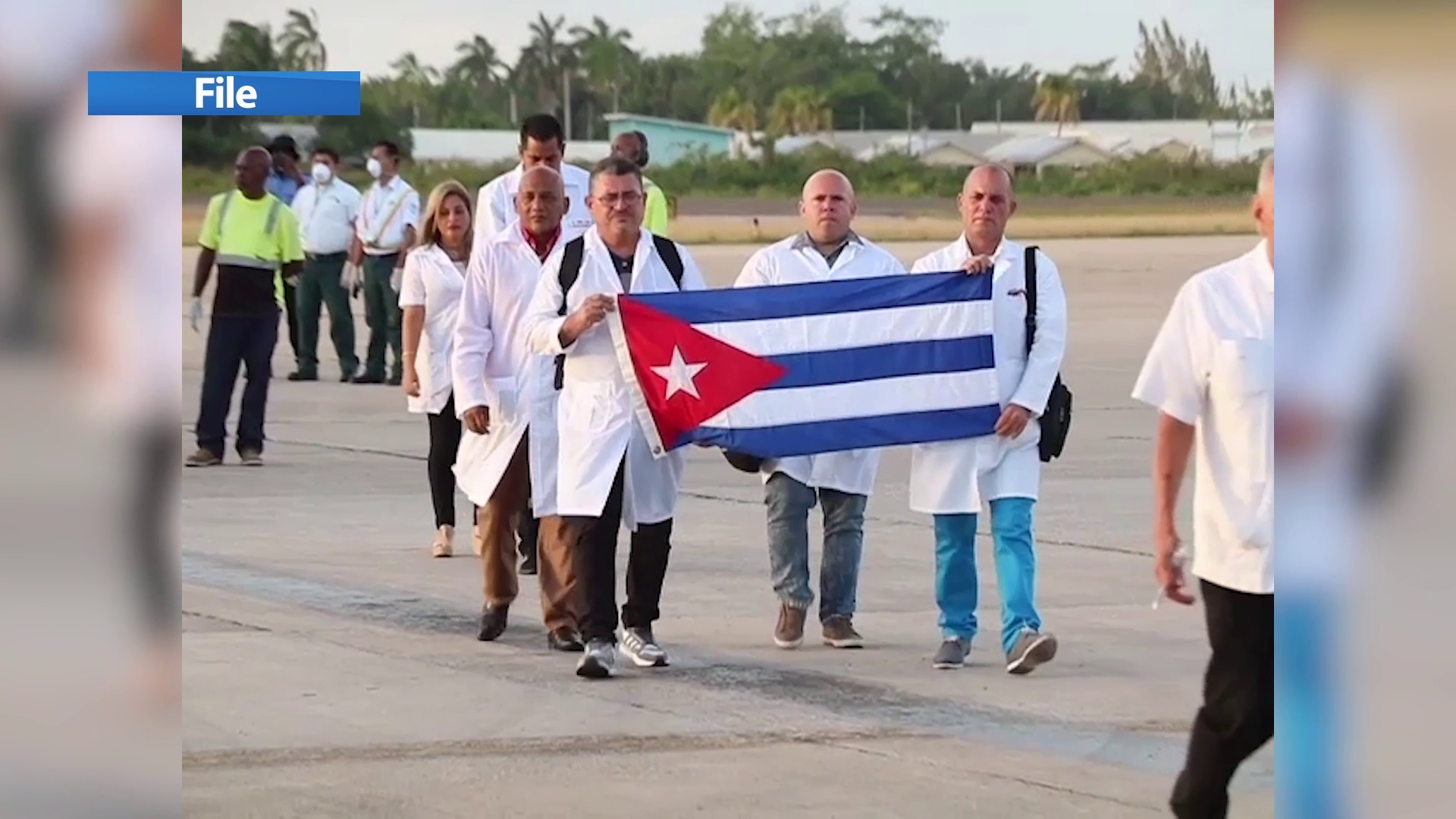
For years, Cuban medical professionals have been a foundational, well-recognized component of Belize’s public healthcare network, providing critical care access to communities across the small Central American nation. But as of August 2026, the long-term future of the Cuban Medical Brigade within Belize’s borders remains unresolved, with the country’s Cabinet set to cast a final vote on the program’s status when it convenes next month.
Belizean officials are currently evaluating a range of potential paths forward for the existing brigade members, from maintaining a scaled presence to a full phased withdrawal of the program, before formal recommendations are put to Cabinet for a final decision. Among the most actively pursued options is a framework that would allow individual Cuban doctors, nurses, and other medical staff to remain in the country through either temporary work permits or permanent residency status, a solution that requires diplomatic coordination with United States authorities, Foreign Affairs Minister Francis Fonseca confirmed in a recent press briefing.
The issue has continued to advance through diplomatic channels in recent weeks, following a high-profile meeting between Belize’s Prime Minister and U.S. Deputy Secretary of State Landau in Washington D.C. that included discussion of the medical brigade’s future. “It’s an ongoing discussion between our Ministry of Foreign Affairs, the Ministry of Health and Wellness, and our U.S. counterparts,” Fonseca explained. “Our position remains that there is a clear opportunity to retain key members of the brigade who have already become integral to our healthcare system. We are still working through the details of how to structure this arrangement, but I am optimistic that we can reach a solution that allows Cuban medical professionals to stay through work permits, permanent residency, or a similar status.”
While the final outcome remains undetermined, the government’s ongoing evaluation process reflects the significant role that Cuban medical staff have played in addressing Belize’s persistent healthcare workforce gaps for years. Any decision to restructure or phase out the brigade would have wide-ranging impacts on access to care in both urban and rural areas of the country, making the September Cabinet decision a closely watched development for Belize’s healthcare sector.