As countries across the Americas brace for the development of a major El Niño climate event between late 2026 and early 2027, the Pan American Health Organization (PAHO) has released an authoritative new public health risk analysis detailing the projected harms to population well-being and outlining actionable steps governments can take to mitigate impacts.
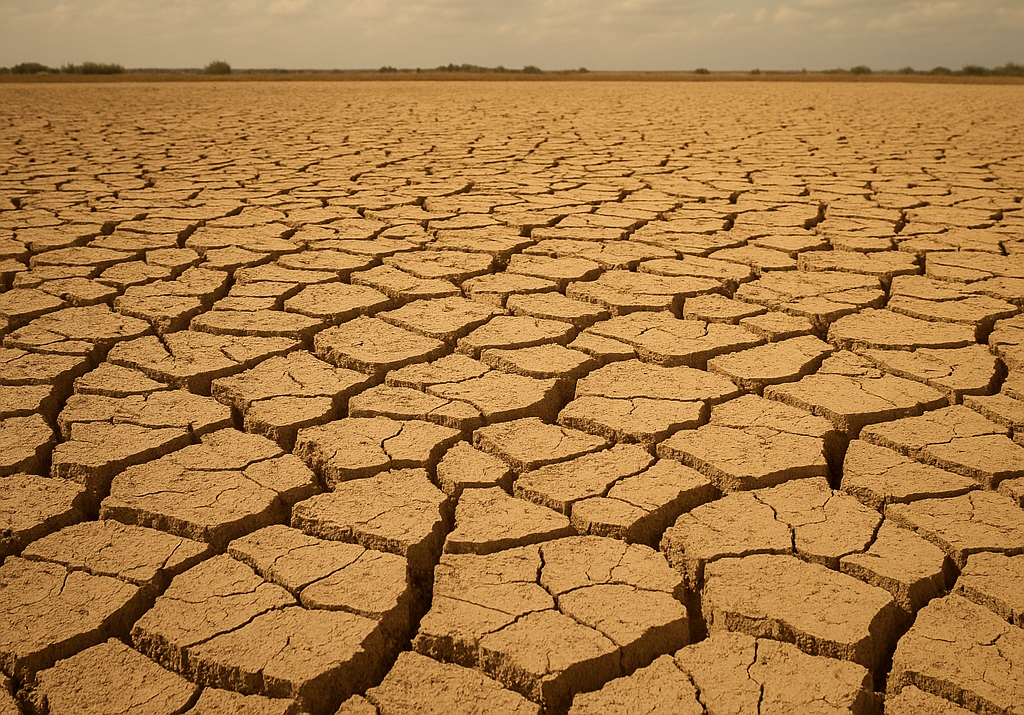
The comprehensive assessment maps how a range of climate shifts driven by El Niño—including extended droughts, severe flash flooding, and record-breaking heatwaves—will ripple across the region’s health systems, population health outcomes, and core social determinants that support community well-being. The analysis prioritizes high-risk subregions and communities, flagging locations where climate projections indicate the most severe El Niño-related hazards are likely to occur.
PAHO’s report breaks down health risks into three core categories, starting with communicable diseases, which the organization identifies as one of the most immediate and widespread threats. El Niño’s altered precipitation patterns create ideal breeding conditions for disease-carrying vectors, expanding transmission risk for vector-borne illnesses including malaria, dengue, Zika, and chikungunya. Flooding also contaminates drinking water supplies, driving spikes in cholera and other life-threatening waterborne diseases across vulnerable communities.
For noncommunicable diseases, the report links El Niño-driven extreme heat to widespread heat stress and complications for people living with chronic conditions. It also notes that increased drought conditions will elevate wildfire risk across much of the region, deteriorating air quality and triggering sharp increases in acute and chronic respiratory illnesses.
Mental health is another underaddressed risk highlighted in the analysis. Climate-driven displacement, widespread loss of livelihoods, and trauma from disaster events will substantially increase community need for mental health care and psychosocial support, a demand many underresourced health systems are currently unprepared to meet.
Beyond direct health impacts, PAHO’s assessment examines the structural vulnerability of regional health infrastructure. It identifies 756 emergency care facilities across the Americas that face high risk of structural damage from coastal flooding amplified by long-term sea level rise. Disruptions to logistics and supply chains are also projected to interrupt access to critical medicines, medical supplies, and other resources required to maintain continuous care for vulnerable populations.
The analysis also prioritizes disproportionate risks to marginalized and high-need groups. Pregnant people and newborns face elevated dangers when extreme weather cuts off access to safe drinking water, routine prenatal care, and emergency obstetric services. Widespread crop failure and livelihood disruption will also drive increases in food insecurity and acute malnutrition, with children under five facing the most severe long-term harms. The report also notes that gender-based violence rates typically surge in post-disaster contexts marked by displacement, overcrowding, and broken support services, requiring targeted preparedness measures.
To help countries proactively reduce avoidable harm, PAHO has outlined a series of priority preparedness and response actions for national and local health authorities. Key recommendations include strengthening epidemiological surveillance for climate-sensitive diseases to enable early detection and response, monitoring nutritional outcomes for vulnerable groups, and integrating climate and health data to improve early risk identification.
The organization also emphasizes the critical need to secure access to safe water and sanitation services in high-risk flood and drought zones, and to shore up health system capacity to maintain essential care during climate emergencies. Alternative care delivery models such as telehealth and mobile medical brigades are highlighted as effective tools to avoid care disruptions for people living with chronic diseases and other priority populations.
Finally, PAHO underscores that the severity of El Niño’s health impacts will vary dramatically across communities, shaped by local hazard exposure, underlying population vulnerability, and the strength of a country’s preparedness and response capacity. In light of this uneven risk, the organization calls for expanded anticipatory action and cross-sector coordination across health, climate, and social service agencies to protect vulnerable populations and reduce preventable illness and death.