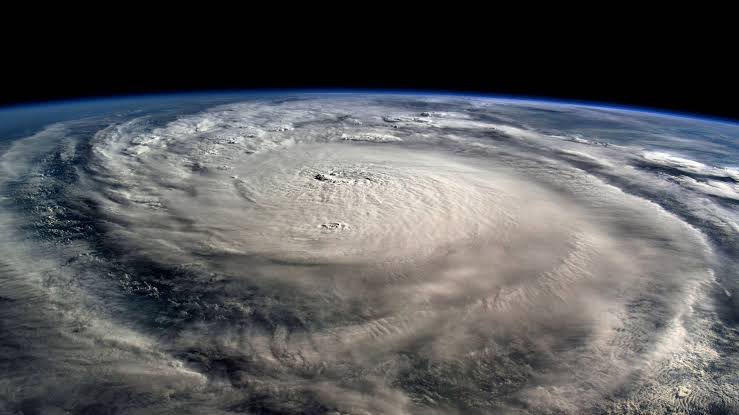
A newly released policy brief from the International Labour Organisation (ILO) has sounded the alarm over the potential far-reaching labour and socioeconomic impacts of the 2026-2027 El Niño event across the Caribbean, identifying three key sectors as facing the highest levels of exposure. El Niño, a naturally occurring climate pattern defined by abnormal warming of surface ocean waters in the central and eastern Pacific, is known to alter global weather systems, triggering extreme weather events ranging from severe drought and prolonged heatwaves to extreme flooding across different parts of the world. For the Caribbean, the ILO projects the region will face widespread drought, acute water scarcity, and extended heatwaves during the 2026-2027 event, with agriculture – including staple and cash crops such as maize, beans, wheat, coffee, and sugarcane – commercial fisheries, and the tourism industry standing as the most vulnerable economic sectors. The analysis outlines that El Niño-driven extreme weather will likely trigger a cascade of negative outcomes for regional labour markets: reduced employment opportunities, declining household incomes, and deteriorated working conditions, with disproportionate harm falling on informal workers, rural communities, and outdoor laborers who lack buffers against climate shocks. Beyond direct employment impacts, the report warns that the event could exacerbate existing food insecurity, push up already strained food and energy prices, lower overall labour productivity, and increase the likelihood of child labour as vulnerable households struggle to cover basic living costs. Additional risks include widespread losses of rural income, increased internal labour migration, a growth in informal labour market participation, and dangerous levels of heat stress that threaten the health and safety of outdoor workers. Fabio Bertranou, ILO Deputy Regional Director for Latin America and the Caribbean, emphasized that the 2026-2027 El Niño presents a major systemic challenge to sustaining employment and decent work across the region. “The scale of its impacts will depend on countries’ ability to anticipate them through strong labour market institutions, social protection systems and social dialogue that protect those who are most vulnerable,” Bertranou noted. The Caribbean’s exceptionally high rate of informal employment amplifies these risks, the ILO explains, as most informal workers lack access to formal social protection schemes or other support systems that enable households to recover from climate-related economic shocks. Critically, the ILO stresses that these severe outcomes are not unavoidable. Governments across the region can substantially reduce risk levels by prioritizing a series of targeted interventions: strengthening national social protection frameworks, investing in climate-resilient infrastructure, updating and enforcing occupational safety and health regulations to address heat-related risks, expanding coverage of early extreme weather warning systems, and fostering inclusive social dialogue between government, business, and labour groups. The organization has called on regional policymakers to reframe El Niño not as an isolated weather event, but as a multifaceted threat that can destabilize national economies, labour markets, and household livelihoods, requiring coordinated, cross-sector action to protect the most vulnerable workers across the Caribbean.
Caribbean faces jobs, tourism and agriculture risks as El Niño threatens livelihoods – ILO