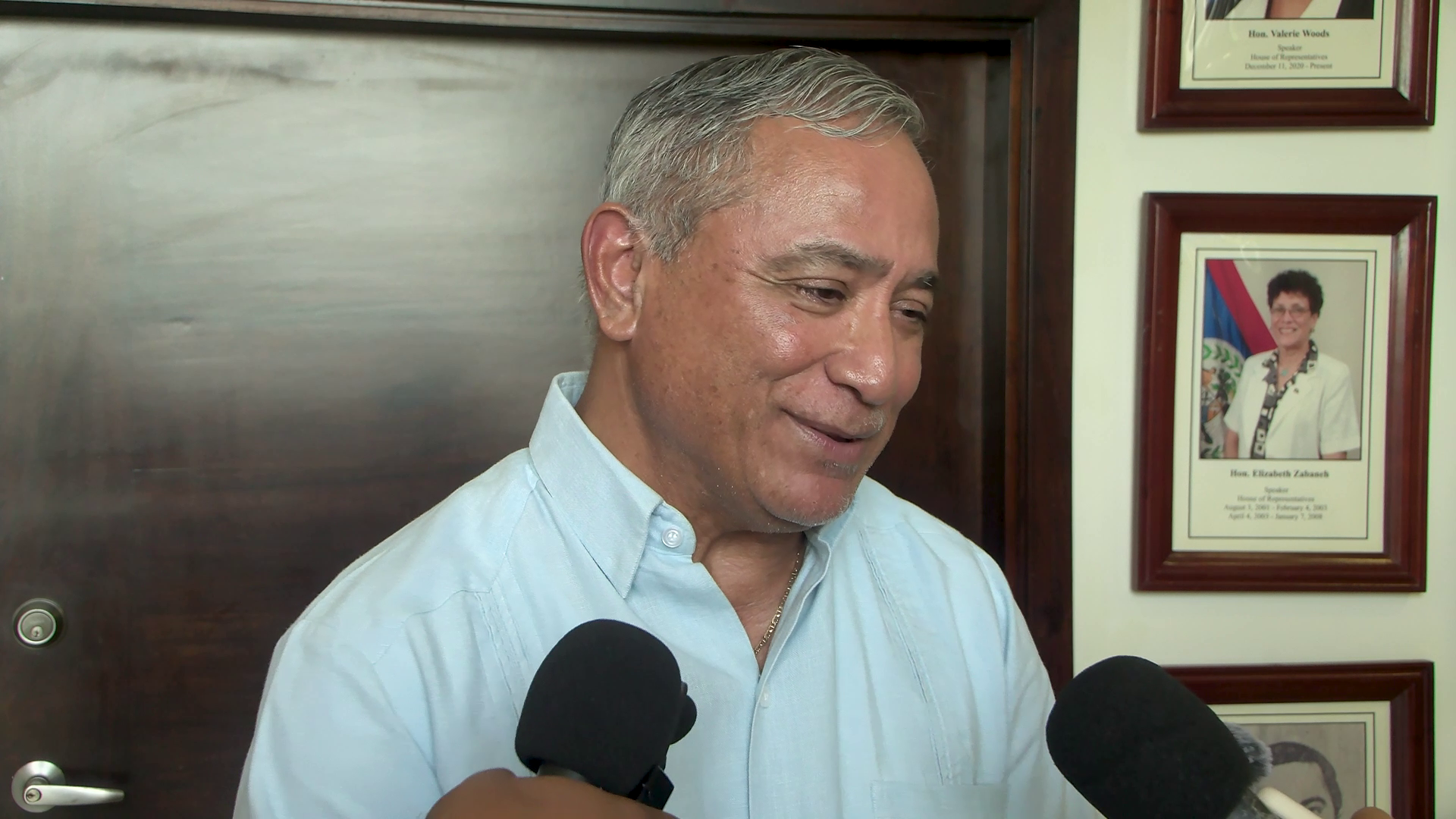
In a press briefing aired on the evening of July 31, 2026, Belizean Prime Minister John Briceño pushed back against growing scrutiny over a series of controversial low-value payments issued by the nation’s Ministry of Defense to third-party suppliers. Each of the processed payments was intentionally set just below the $10,000 threshold that triggers formal, multi-agency procurement oversight, a pattern that critics have slammed as a deliberate effort to bypass standard regulatory checks.
Briceño has rejected these allegations, framing the repeated use of sub-threshold transactions not as an attempt to avoid accountability, but as a necessary emergency measure to keep the Belize Defense Force (BDF) supplied with critical daily provisions including food. According to the prime minister, lengthy processing delays from two oversight bodies — the Office of the Contractor General and the Ministry of Finance — left defense officials with no other option to meet urgent operational needs.
Addressing claims that the practice constitutes circumvention of official procurement rules, Briceño clarified that the Ministry of Defense had followed all required preliminary steps for formal contracting: department leadership submitted bid recommendations to the relevant oversight agencies 13 times in pursuit of full regulatory approval, and the prime minister acknowledged that the Contractor General’s office had extended consistent cooperative support throughout the process. The bottleneck, he argues, emerged at the Ministry of Finance, which took an excessive amount of time to issue formal responses to pending requests.
With the BDF requiring daily food supplies to maintain operations, defense officials turned to repeated sub-$10,000 transactions as a stopgap solution, Briceño explained. He noted that the practice of using sub-threshold payments for urgent provisions is not a new scheme, but a long-standing operational workaround that has continued into 2026. When pressed on whether the arrangement violates formal procurement protocols, Briceño acknowledged that systemic gaps have created the current predicament, arguing that blame for the broken process is shared across multiple government agencies. He emphasized that the priority moving forward is not to point fingers, but to redesign the approval system to deliver greater speed and efficiency without sacrificing oversight.
Briceño added that any questions about the specific vendors selected for the contracts fall within the remit of the Contractor General’s office, and that his own intervention was only to clarify the operational context that led to the repeated use of sub-threshold payments. This report is a transcribed adaptation of an evening television news broadcast.