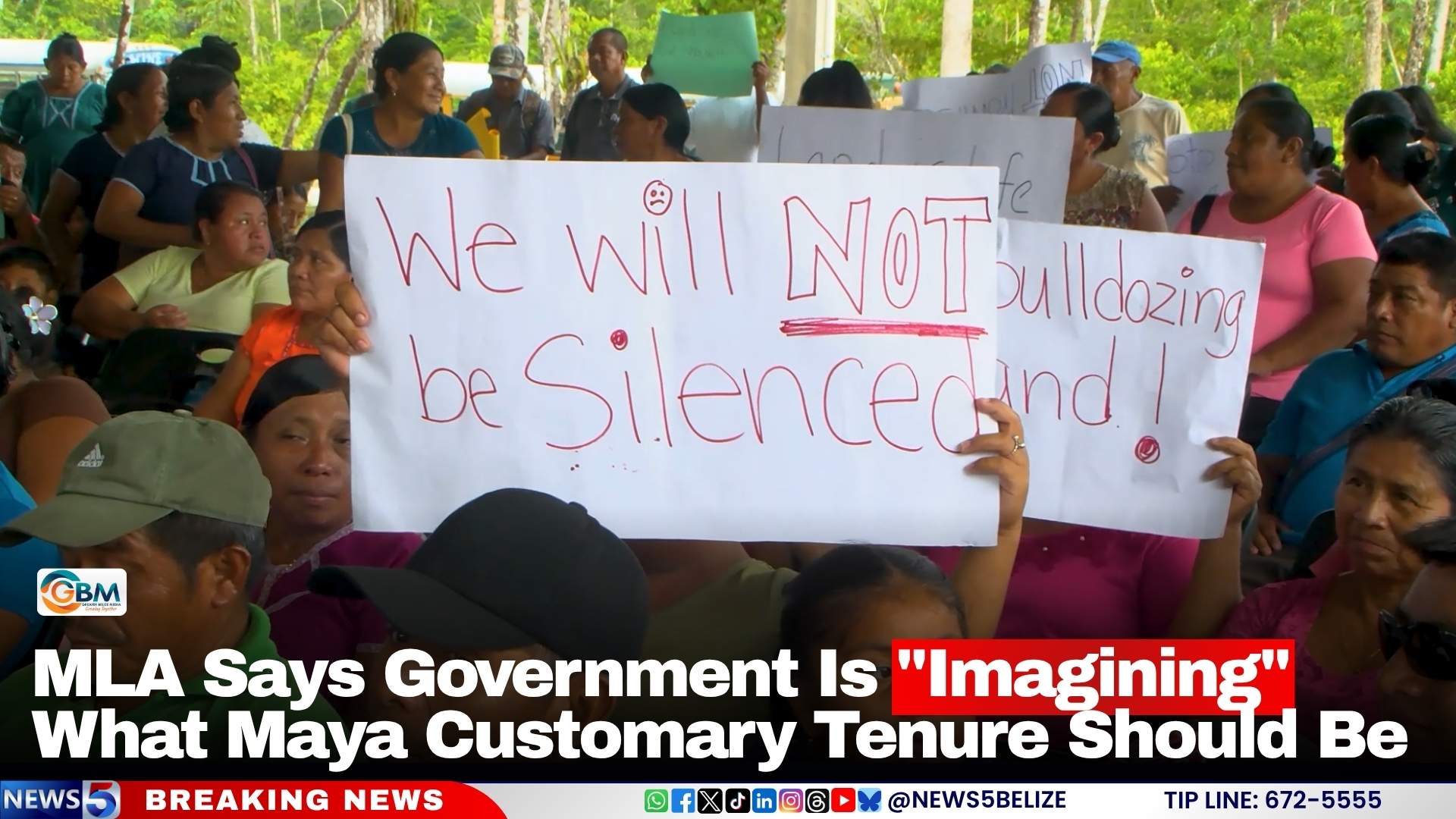
In a landmark development for Indigenous land rights in Belize, the Caribbean Court of Justice (CCJ) has opted not to step into the ongoing dispute over Maya customary land tenure, declining a request to clarify a key provision of a 2015 landmark consent order that granted formal recognition to Maya land rights. The decision has reignited tensions between the Maya Leaders Alliance and the Belizean government, with Indigenous leaders accusing state officials of basing their entire land policy on invented assumptions rather than centuries of established, intergenerational Maya land use practice.
Speaking immediately after the CCJ released its ruling on Thursday, Cristina Coc, spokesperson for the Maya Leaders Alliance, framed the court’s inaction as a strategic pause rather than a rejection of the Maya community’s claims. She noted that the tribunal has indicated it will only intervene if the Belizean government ultimately passes legislation that conflicts with the 2015 consent order and earlier lower court rulings affirming Maya land rights.
At the core of the dispute is not a question of whether Maya customary land tenure exists – a fact already affirmed by multiple court rulings – but how the state should formally recognize and protect this long-standing Indigenous right. Coc sharply criticized the government’s position, articulated by Senior Counsel Edmund Andrew Marshalleck during court proceedings, for being rooted in what she calls a state-imagined vision of what Maya land tenure should look like, rather than the reality of how Maya communities have managed and used their lands for generations.
Coc particularly pushed back against the government’s proposal to cap Maya land allocations at five acres per person, a framework tied directly to current community population sizes. She argued that this arbitrary cap reflects the disconnect between urban policymakers’ assumptions and the actual land needs of Maya communities, whose traditional practices – including fishing, hunting, foraging and rotational agriculture – require far larger expanses of land than the five-acre per-person limit would allow.
“Maya people don’t imagine our land use,” Coc emphasized. “We are actively using our lands today, we have maintained our traditional practices on these territories for centuries. Those practices are not contained within the arbitrary five-acre boundary the government has drawn from behind a desk.” The CCJ’s decision leaves the ball firmly in the government’s court to draft formal land tenure legislation, with the Maya community poised to return to the court if the final law fails to align with their existing customary rights.