A high-stakes overhaul of global soccer’s multibillion-dollar financial framework by the International Federation of Association Football (FIFA) has erupted into open conflict, with key regional governing bodies mounting fierce pushback against the initiative, calling into question the transparency of decision-making, their institutional stake in global soccer leadership, and the core goals of the proposed changes.
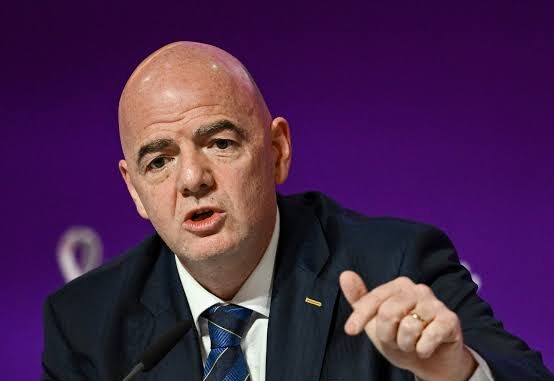
The plan, first unveiled by FIFA president Gianni Infantino on July 28, 2026, would create a new centralized commercial arm called FIFA Forward Enterprise. This new subsidiary would bring all of FIFA’s major revenue streams—including global broadcast rights, sponsorship deals, match ticketing, and licensing operations—under one unified business unit. Infantino set a tight September 19 deadline for FIFA’s 211 member associations to submit their feedback on the proposal.
Multiple global news outlets have confirmed that the plan includes selling a minority, non-controlling stake in the new entity to a curated group of private investors, led by permanent capital holding firm Thrive Eternal. Early valuations of the subsidiary peg its worth at roughly $20 billion.
To win support from national member associations, FIFA has offered major financial incentives. The governing body has pledged that regular development funding for each member association will more than double over the next funding cycle, hitting a cap of $20 million per country. It has also introduced an optional Fast Forward Programme that offers member associations an immediate upfront payout of $20 million, if they back the restructuring.
Infantino has positioned the initiative as a landmark step toward democratizing global soccer, arguing that putting more funding directly in the hands of national associations will level the playing field for smaller footballing nations. But leaders from the Union of European Football Associations (UEFA) and the Confederation of North, Central America and Caribbean Association Football (Concacaf) pushed back almost immediately, denouncing the plan as a reckless power grab that circumvents long-standing checks and balances built into international football’s governance structure.
The public rebellion from UEFA and Concacaf has exposed a critical flaw in the plan’s rollout: the so-called stakeholder consultation process launched by Infantino only began after core decisions about the restructuring had already been finalized.
Concacaf took the unprecedented step of publicly opposing the unilateral rollout, releasing an official statement that earned the full backing of the Caribbean Football Union (CFU), led by Saint Lucia’s Lyndon Cooper. “Concacaf was only made aware of this matter through media reports and, subsequently, via a media release. We are deeply concerned by the lack of due process,” the statement read.
“We share the disappointment of many within our region and the game that this level of detail has been designed and shared publicly before any discussion with the relevant governance bodies and stakeholders has taken place. As leaders within football, we are the custodians of the game. Collectively, FIFA, the Confederations and every Member Association have a responsibility to always act in the best interests of the sport. Every decision we make must be guided by good governance, robust processes and long-term stewardship. This is the framework within which Concacaf operates. We trust that all within the FIFA family will act in the same manner.”
Cooper, who serves as both president of the Saint Lucia Football Association and a Concacaf vice president, saw the CFU issue its own statement reaffirming full solidarity with Concacaf’s position.
Analysts of global sports governance note that by offering unprecedented direct cash payouts to national member associations to push through the sweeping corporate restructuring, Infantino has instead triggered an escalating leadership conflict that threatens to upend the administration of international soccer for the foreseeable future.