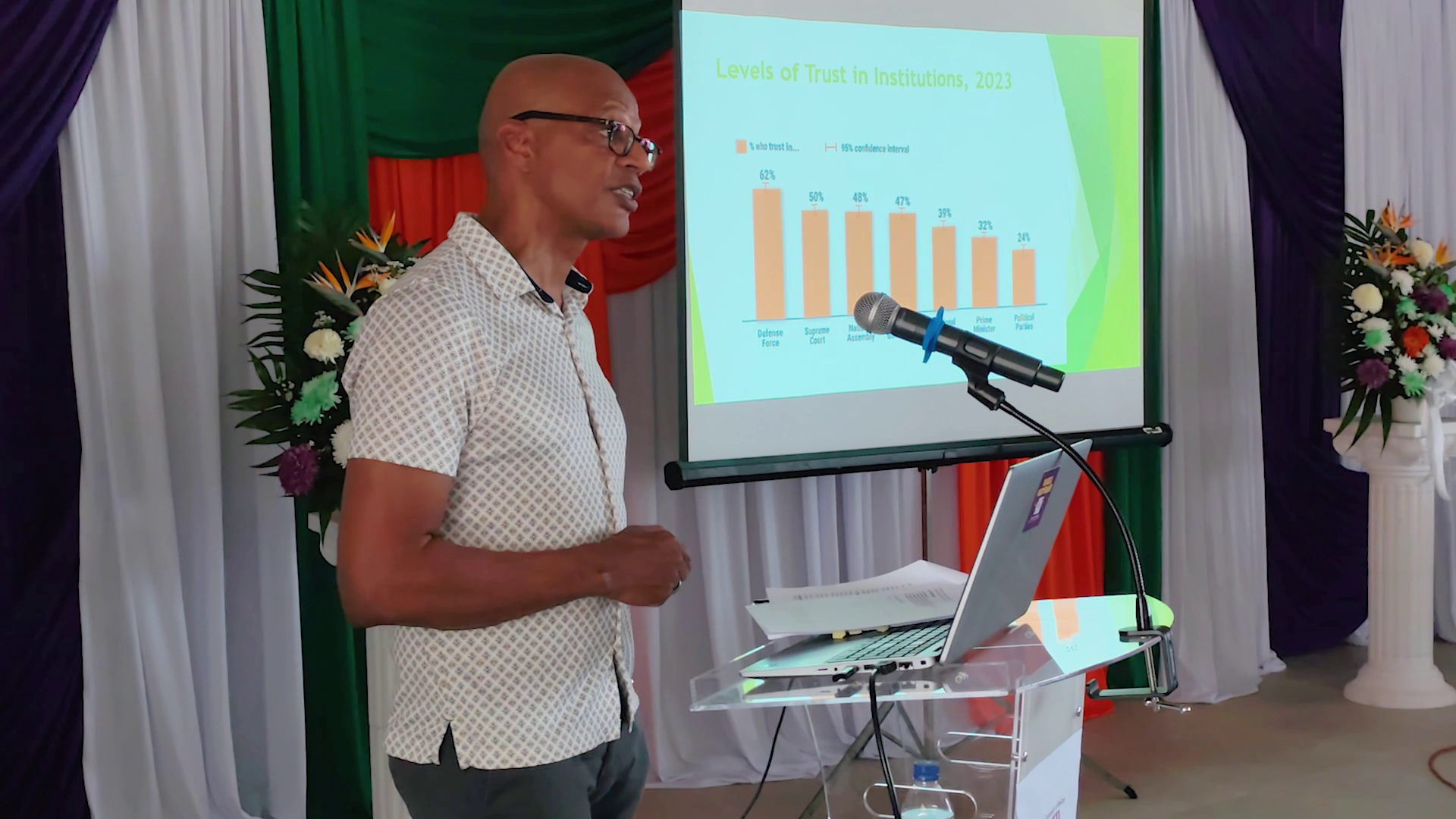
For decades, political leaders and policy analysts in Belize have repeatedly discussed the urgent need to overhaul the country’s outdated campaign financing framework, but meaningful regulatory reform has never materialized. Today, a groundbreaking new study from the Belize Policy Research Institute (BELPRI) at the University of Belize has reignited this critical conversation, putting the pervasive role of unregulated money in Belizean politics back under public scrutiny.
Titled *Money in Belizean Politics: Breaking the Regulation Deadlock*, the report details how the country’s near-total lack of formal political finance laws has created a breeding ground for public corruption, entrenched the harmful practice of patronage handout politics, and barred small, alternative political groups from competing fairly against established parties. To address these systemic flaws, the institute has put forward 13 concrete, actionable recommendations to bring transparency and accountability to both political party operations and election campaign financing.
In an interview following the report’s launch, BELPRI Executive Director Dr. Dylan Vernon drew attention to a largely overlooked channel of unofficial political financing: existing public funds that are already being misused for political gain, most notably constituency development funds. “While Belize has no formal system of official public funding for political candidates, public resources are frequently abused to sway voters,” Dr. Vernon explained. “Constituency development funds are intended to support local community projects, but the power to allocate resources almost always rests with the sitting elected representative for that district. Even official assistance programs, from seasonal Christmas aid to back-to-school support before the academic year opens, are controlled by politicians. When an elected official or political party holds sole power to decide who gets public support, that public money functions as political financing, regardless of its stated purpose.”
At the report’s launch event in Belize City, Allan Pollard Jr., the People’s United Party (P.U.P.) mayoral candidate for Belize City, weighed in on the push for reform, acknowledging that overhauling political finance rules is a major challenge but not an unachievable goal. When asked directly whether he supports binding political finance legislation and if he would be willing to publicly disclose the identities of donors bankrolling his mayoral campaign, Pollard expressed full openness to transparency measures.
Pollard argued that reform would help rebuild public trust in government, which has eroded steadily over decades due to widespread lack of accountability in political spending. “A lot of Belizeans are frustrated by the lack of transparency and accountability in how politics is funded,” he said. “Reforming these rules is the perfect first step to fix that broken trust. For me, there is nothing to hide. Unlike national-level ministers, my local government campaign doesn’t rely on large, undisclosed donations. I have no issue disclosing my donors, and the people supporting my campaign have the best interests of Belize City at heart, so they would have no problem with public disclosure either.”
When asked whether campaign donors would expect political favors in return for their financial support after election day, Pollard framed his donors’ contributions as investments in the future of the city rather than quid pro quo arrangements. “I don’t see it as donors expecting favors,” he said. “I see it as local businesspeople investing in their country and their city. They just want to make sure the right leadership is in place to create a stable, fair environment for doing business in Belize City. That’s all they’re looking for.”
Looking ahead, BELPRI has already scheduled an official meeting with Prime Minister John Briceño to formally present the report’s findings and 13 reform recommendations, opening the door for potential policy action on an issue that has been deadlocked for decades.