On Tuesday, July 28, the Caribbean tri-island nation of Grenada marked a critical milestone in public mental health infrastructure with the official launch of a 988 toll-free suicide prevention and mental health crisis hotline, designed to deliver immediate, accessible support to residents grappling with suicidal ideation, severe emotional distress, and other acute mental health emergencies.
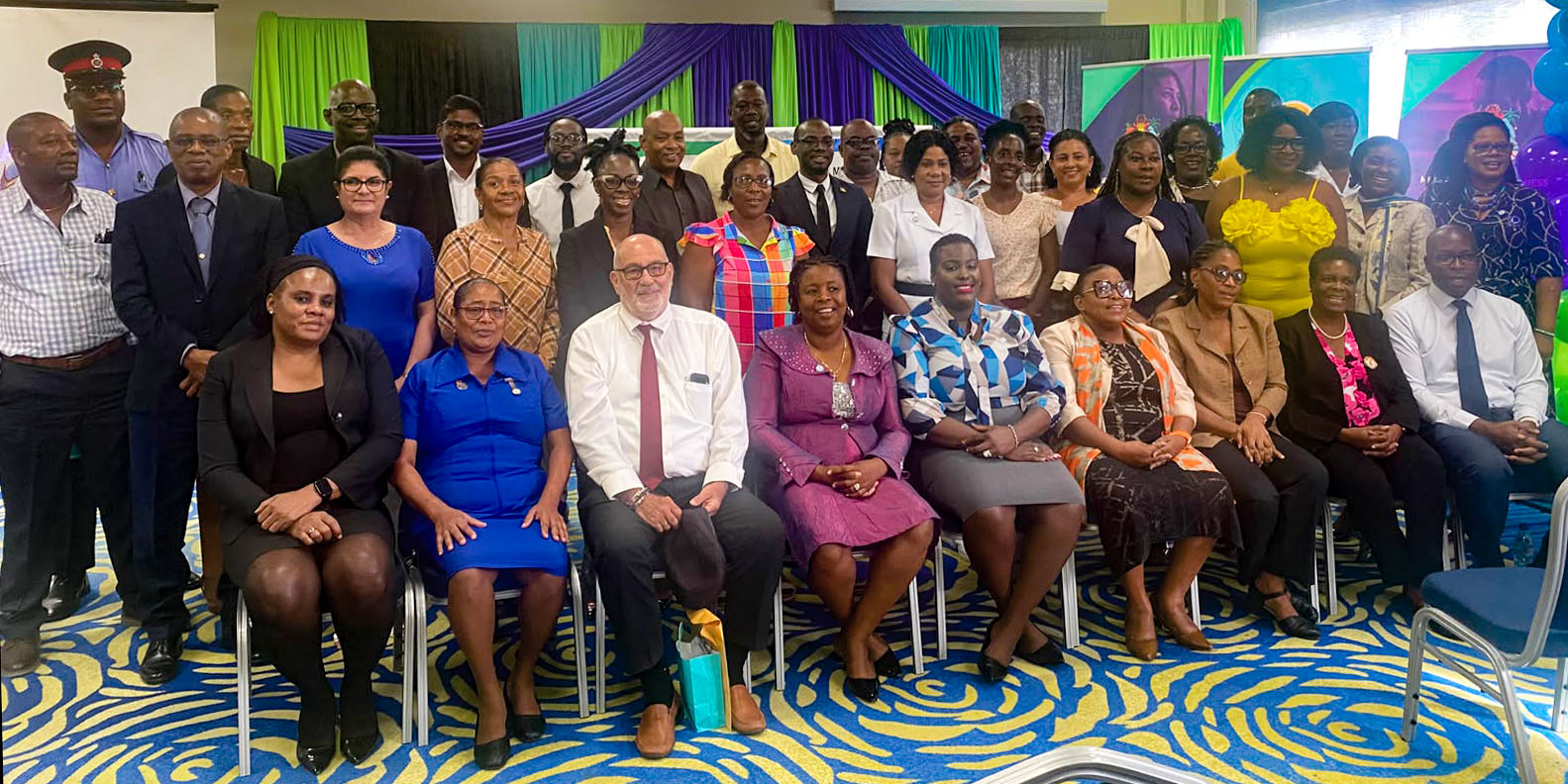
The launch ceremony, hosted at Grenada’s Radisson Beach Resort, brought together a broad cross-section of stakeholders, including senior government officials, frontline mental health care providers, educators, secondary school students, parent representatives, and leaders from faith-based community organizations, underscoring the widespread consensus that suicide prevention is a collective national priority.
Speaking at the event, Hon. Delma Thomas, Minister for Mental Health, Wellness, and Religious Affairs, emphasized that life-saving support is now just three dialed digits away for those in need. She urged members of the public to reach out for help without fear of judgment or stigma, reinforcing that seeking support during a crisis is not a sign of weakness but a courageous step toward healing.
To address common public questions about the new service, ministry officials outlined clear operational details at the launch. All incoming calls are answered by rigorously trained responders who follow evidence-based, standardized crisis intervention protocols. These protocols are designed to de-escalate high-stress situations, deliver empathetic emotional support, and uphold strict standards of caller privacy.
Recognizing that taking the first step to reach out during a mental health crisis can feel daunting, Director of Mental Health and Substance Abuse Josh Hector extended a message of hope to hesitant residents. “We encourage people to choose life,” he said. “Even if you feel there is nobody in your life who will listen, someone will be waiting on the other end of that hotline to hear your story, offer non-judgmental support, and give you the assurance you need.”
Hector confirmed that all hotline personnel are bound by strict confidentiality requirements that they are required to uphold in every interaction, eliminating concerns about private information being shared without consent. The service also accepts calls from third parties: friends or family members who are concerned about a loved one’s mental health can reach out either by dialing 988 or contacting the team via dedicated WhatsApp numbers shared by the ministry.
Far from being a standalone service, the 988 hotline functions as a critical entry point to Grenada’s entire network of mental health and social support services. Depending on the unique needs of each caller, responders can connect individuals to ongoing counseling, psychiatric care at the island’s General Hospital, or specialized support for overlapping crises including domestic violence and other social emergencies.
Permanent Secretary Naomi Jeremiah confirmed that the hotline initiative is funded through the Ministry of Mental Health, Wellness and Religious Affairs’ annual budget, with additional critical support from community volunteers and international public health partners, most notably the Pan American Health Organization (PAHO).
The launch event included powerful personal testimony to illustrate the life-changing impact of accessible crisis support. Pastor Anton Strachan shared a pre-recorded video account of his own experience surviving suicidal thoughts as a teenager, using his story to encourage others experiencing similar struggles to reach out for help instead of suffering in silence. Students from two local secondary schools, Presentation Brothers’ College and Grenada Boys’ Secondary School, also took part in the ceremony, performing original mental health awareness jingles that centered themes of hope, resilience, and the importance of open conversation about emotional challenges.
Government and health officials acknowledged that a single hotline cannot solve the full scope of Grenada’s mental health challenges, but framed the launch of 988 as a transformative, long-overdue step toward expanding equitable access to life-saving crisis support across the country. In the coming weeks, a nationwide public awareness campaign will roll out across the tri-island state, including televised infomercials and educational broadcasts, to ensure all residents understand how the service works and when to reach out.