As a small Caribbean nation pushes for faster adoption of electric vehicles to cut carbon emissions and align with global sustainable mobility goals, a critical infrastructure question has moved to the forefront of national policy debates: can Belize’s existing electricity network support a rapid, widespread shift away from gas-powered cars?
With local residents already voicing persistent concerns about inconsistent power delivery and limited generation capacity across parts of the country, energy sector leaders have opened up about the planned upgrades and investments needed to make mass EV adoption a reality. Dr. Leroy Almendarez, Chief Executive Officer of Belize’s Ministry of Public Utilities and Energy, recently outlined the government’s approach to bridging the infrastructure gap in a televised address, confirming that large-scale clean energy and grid modernization projects are already moving forward.
Almendarez emphasized that adding EV charging demand to residential and commercial power loads requires deliberate, data-driven infrastructure planning, pushing back against overly optimistic narratives that frame solar energy potential as a quick, no-fuss solution. “I keep hearing people saying ‘the sun is shining,’ but you can’t just take the sun and put it in your vehicle,” he noted, explaining that tangible generation, storage and distribution infrastructure must be put in place before EV adoption can scale safely.
Thankfully, major projects to boost clean energy capacity are already in the works. The country is currently in the request for proposal stage for an 80-megawatt utility-scale solar farm, which is scheduled to come online in the first quarter of 2028. Complementing this new solar generation will be a 40-megawatt utility-scale battery energy storage system, both of which add zero-emission power capacity to the national grid. An additional 15 megawatts of generation from the Belize Aguacata Power Company Limited (BABCOL) is expected to come online by November 2026.
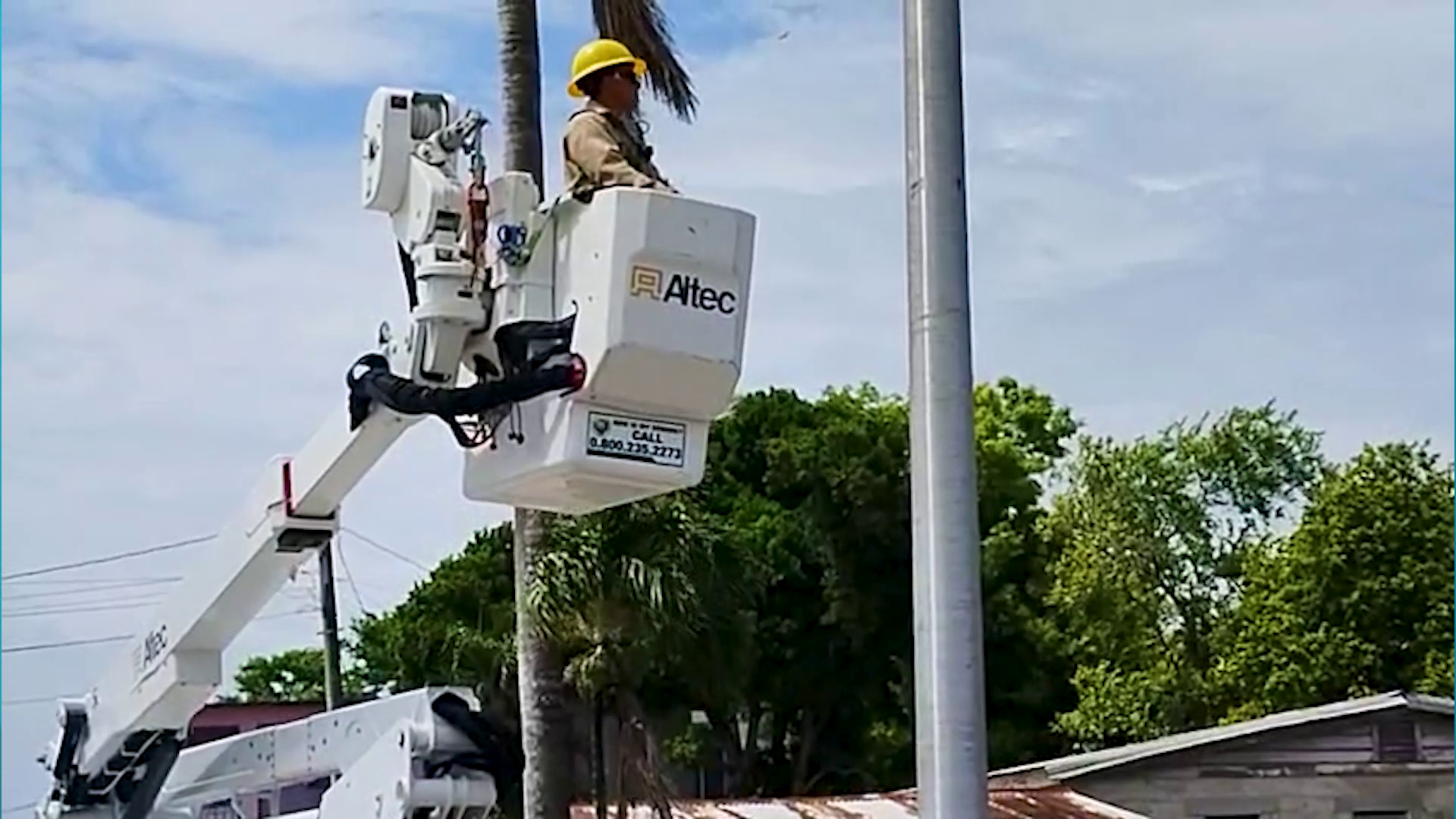
Even with new generation capacity in the pipeline, Almendarez stressed that upgrades to the country’s transmission and distribution grid are equally critical to ensure the new power can reach consumers and EV chargers without reliability issues. Uncoordinated development that creates competing power demands, he warned, could lead to serious service disruptions across vulnerable regions. Data collected from recent grid assessments identifies southern Belize as the area currently facing the most significant capacity challenges, a longstanding issue that local residents have repeatedly highlighted to policymakers.
The ongoing planning process reflects a broader balancing act for small developing economies pursuing climate action: advancing the transition to zero-emission transportation while avoiding strains on critical public infrastructure that would disrupt daily life for current residents.