Santo Domingo – The Dominican Republic’s national power grid has achieved an unprecedented milestone, as the country’s National Interconnected Electric System (SENI) hit a new record-high instantaneous electricity demand on Monday evening. Energy and Mines Minister Joel Santos confirmed that at 8:56 p.m. local time, the system successfully delivered 4,203 megawatts (MW) to meet consumer and commercial needs across the nation.
This latest record caps a four-year streak of rising July electricity consumption peaks for the Caribbean nation, with the system reliably accommodating growing demand year after year. The previous all-time high was set just weeks earlier on July 23, when demand hit 4,195.26 MW. Even before that, early July saw two successive incremental records: 4,166.52 MW and 4,185.11 MW, signaling a steady upward trend in energy use through the heart of the summer.
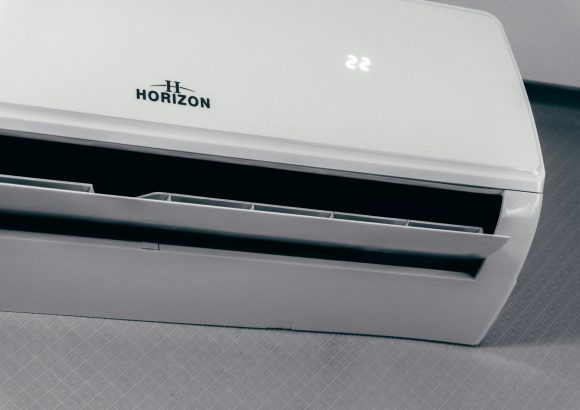
Santos projected that additional demand peaks are on the horizon in the coming months, stretching through the remainder of July and into August and September. He attributed the sustained rise in electricity consumption to three key drivers: persistent above-average seasonal temperatures, heightened use of air conditioning to cool homes and businesses, and ongoing expansion of the country’s economic activity, which requires increased energy input across all sectors.
Minister Santos emphasized that the system’s ability to handle the new record peak is no accident. He credited the consistent reliable performance to years of targeted strategic investments that have both expanded the Dominican Republic’s total electricity generation capacity and diversified the mix of power sources in the country’s national energy matrix. These upgrades have dramatically strengthened the overall resilience of the grid, allowing it to absorb unplanned spikes in demand without service disruptions.
As summer heat continues to build across the Caribbean, energy officials stand ready to meet the expected higher demand, with the upgraded grid already proving its ability to handle new record levels of energy consumption.