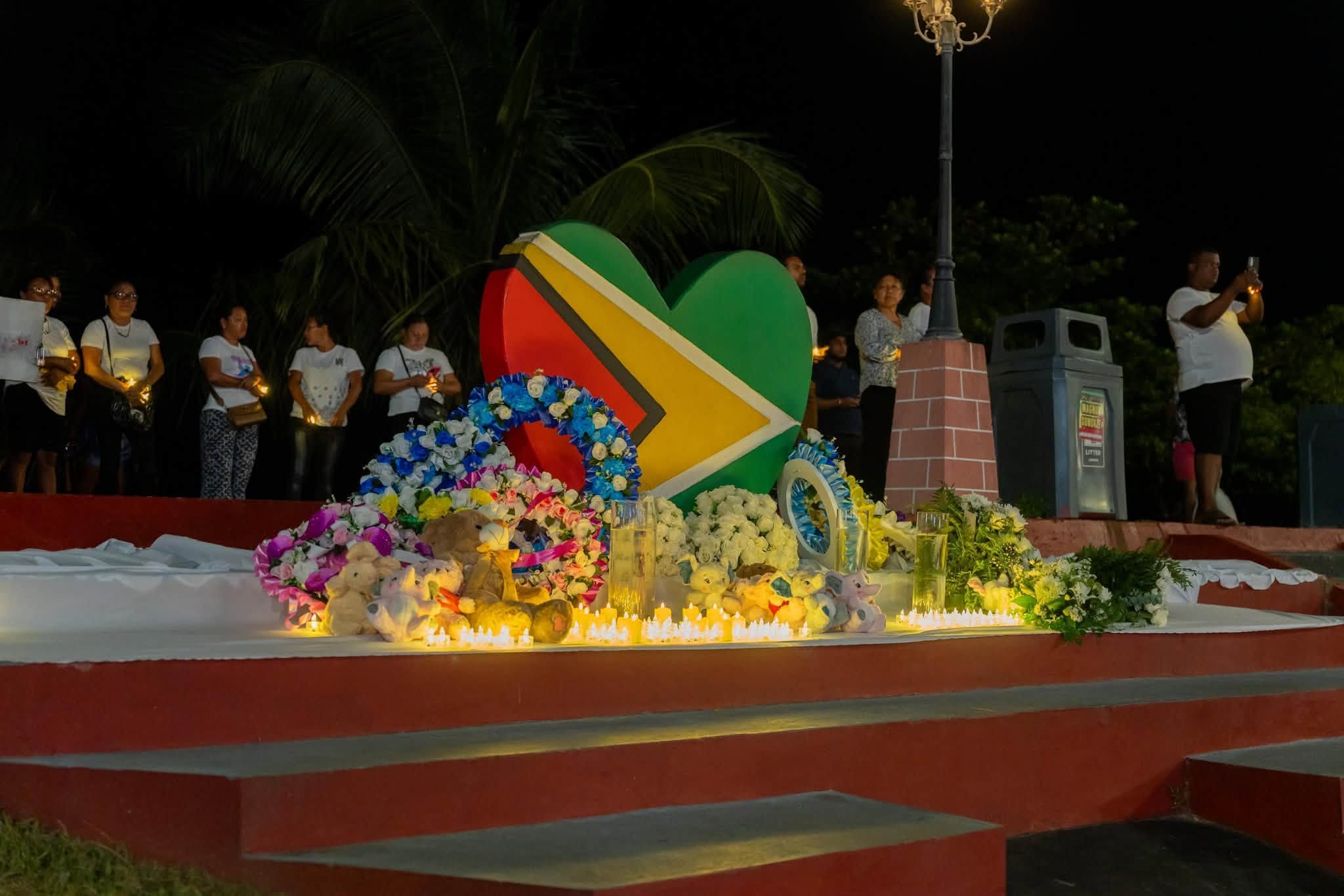
GEORGETOWN, Guyana – In the wake of the deadliest maritime tragedy in the nation’s recorded history, the Guyanese government announced Sunday the formation of an independent international investigative commission to examine the recent sinking of the state-owned MV Barima ferry, which has claimed dozens of lives.
The 87-year-old vessel capsized in the Atlantic Ocean on June 18 shortly after leaving the capital Georgetown, bound for Port Kaituma, a remote Indigenous community located along Guyana’s border with Venezuela. Official records indicate 179 passengers were aboard the ferry when it overturned. To date, recovery teams have recovered 73 bodies and pulled 76 survivors from the water. International salvage teams are currently working to raise the sunken vessel from the seabed to allow forensic experts to conduct a full structural and operational inspection.
In a national address delivered Sunday, President Irfaan Ali confirmed that the five-person investigative commission has been granted broad investigative authority and will operate fully independent of government influence. Leading the panel is Phillip Godfrey Smith, former attorney general of Belize. The team also includes a legal specialist, a naval architect, and additional maritime safety experts drawn from Jamaica and Trinidad and Tobago. The commission’s mandate extends to examining whether professional negligence played any role in the disaster.
Local law enforcement has already taken three people into custody in connection with the sinking. Among those arrested is the ferry’s captain, one of the rescued survivors, who tested positive for marijuana following the incident. A second crew member is also in custody.
President Ali outlined the wide range of factors the commission will scrutinize as part of its probe. These include passenger management protocols from embarkation to departure, the accuracy of the vessel’s passenger manifest, whether overcrowding contributed to the capsizing, cargo storage practices, the availability and proper use of life-saving equipment, and overall compliance with national passenger safety regulations.
Many of the survivors, who spent hours clinging to floating debris waiting for rescue after the ship overturned, have already spoken publicly about dangerous conditions on board. They claim the ferry was severely overloaded with both passengers and cargo, including multiple vehicles and large cargo pallets. Survivors also allege that crew members ignored repeated reports from passengers that the vessel was taking on water, dismissing the issue as a normal part of operations.
Beyond examining the immediate causes of the disaster, the commission has been tasked with determining whether any acts of negligence, professional misconduct, dereliction of duty, or systemic failures on the part of individuals, private entities, or government institutions contributed to the tragedy. This includes reviews of the vessel’s maintenance history, its structural condition, the role of tidal conditions at the time of the voyage, the functionality of navigation and communication equipment, and all other relevant operational factors.
Most importantly, Ali noted that the administration expects the commission to deliver actionable recommendations for institutional and operational overhauls that can strengthen Guyana’s maritime safety framework, boost national emergency preparedness and response capacity, and reduce the risk of similar catastrophic tragedies occurring in the future.