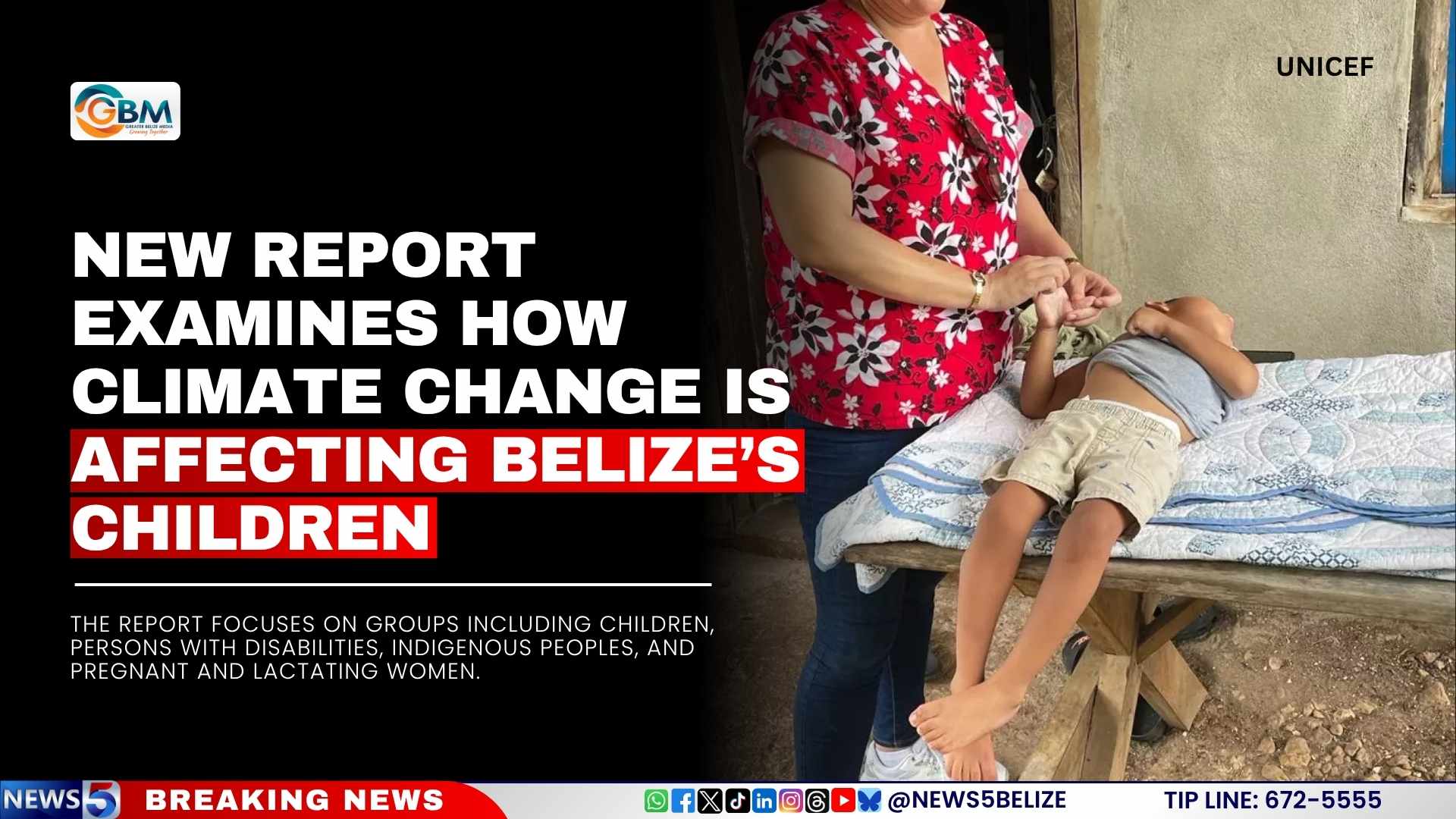
On July 23, 2026, a landmark collaborative report between the Government of Belize and UNICEF Belize has pulled back the curtain on the unequal impacts of the global climate crisis across the Central American nation, shining a critical spotlight on the heightened dangers facing children and marginalized communities.
Titled the Climate Landscape Analysis for Children Plus (CLAC+) Report, the assessment marks the first comprehensive national effort in Belize to map how interconnected challenges – from shifting climate patterns and environmental degradation to energy insecurity and extreme weather disasters – shape daily life and long-term outcomes for children and other vulnerable population groups. Unlike broad national climate assessments that often overlook marginalized demographics, the report specifically centers its analysis on four high-risk groups: children, people living with disabilities, Indigenous Peoples, and pregnant and lactating women.
Researchers behind the report explain that the in-depth study fills a major gap in Belize’s climate data, offering a granular, unfiltered view of the overlapping struggles these communities confront. For these groups, climate change is not a distant future threat: it manifests in more frequent and destructive climate-driven disasters that destroy homes and infrastructure, it cuts off access to life-sustaining essential services including healthcare, primary education, and social protection programs that millions rely on, and it erodes long-term economic and social stability for generations.
The findings from this pioneering assessment are not intended to only highlight gaps – they are designed to serve as a actionable roadmap for national decision-makers. Officials confirmed that the data and conclusions from the CLAC+ Report will guide the development of future climate adaptation policies and direct public and private investment toward initiatives that build more climate-resilient communities across Belize, prioritizing the groups that need support the most.
In a key takeaway from the report launch, national and UN officials emphasized that meaningful progress addressing climate inequality cannot be achieved by a single actor. Meaningful change requires coordinated cross-sector cooperation that brings together government agencies, local community organizations, primary and secondary schools, public and private health providers, and dedicated environmental organizations to align efforts and center vulnerable groups in climate action.