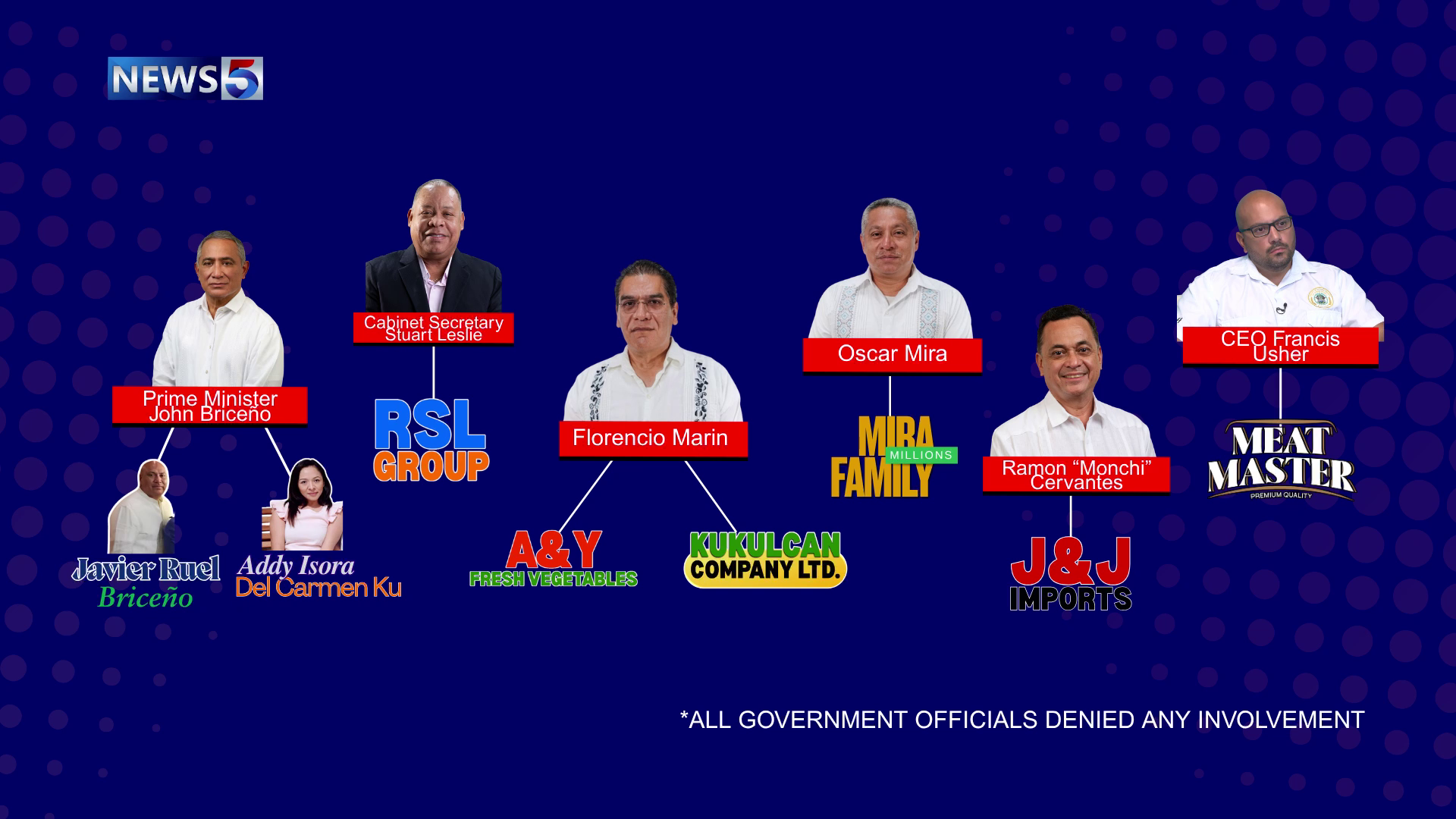
In a developing political controversy that has shaken Belize’s government, a newly incorporated firm tied to a sitting Cabinet member has emerged at the center of a Ministry of Defense procurement scandal, amplifying long-simmering questions about pervasive conflict of interest and systemic failure in the country’s public contracting process. The controversy stems from a month-long investigative probe by local outlet News Five, which has uncovered millions of dollars in potentially improperly vetted payments to recently established businesses, raising alarms about deliberate efforts to evade official oversight. The scandal has also cast a harsh spotlight on whether the massive public spending earmarked for the nation’s armed forces has actually delivered tangible benefits to the service members it is intended to support.
Senior Cabinet minister Francis Fonseca has openly acknowledged what many critics have argued for years: Belize’s public procurement system is fundamentally broken. In comments to reporters, Fonseca noted that this systemic failure has persisted across decades and multiple successive governments from both major political parties, which have largely tolerated the flawed status quo. His remarks come amid mounting political pressure following News Five’s review of hundreds of defense ministry payments to a network of private firms, most of which have been registered within the past five years. Leaked financial documents show millions of dollars in transactions structured to fall just under the $10,000 threshold that triggers mandatory formal oversight, leading investigators to suspect the arrangements were deliberately designed to avoid public scrutiny.
Fonseca clarified that the current Briceno administration was aware of these deep-rooted procurement flaws long before the recent scandal broke, adding that Cabinet has held extensive discussions on the issue and has already begun working toward reforms. The most high-profile revelation to emerge from the investigation so far centers on RSL Group Limited, a firm incorporated only in 2025 that lists sitting Cabinet member Stuart Leslie as its company director.
Opposition leader Tracy Panton has condemned the connection as a clear violation of ethical standards for public office, arguing that the case represents a blatant conflict of interest. Panton emphasized that individuals holding high public office — who are classified as politically exposed persons — are held to a higher standard of transparency and must adhere to strict ethical rules for public engagement. She noted that the recent formation of RSL Group and its ability to secure highly profitable government contracts, paired with its close political connections to senior government figures, raises urgent, unaddressed questions about the company’s purpose and how it won public work.
Despite growing backlash against the ruling People’s United Party (PUP) administration, Fonseca defended Prime Minister John Briceño’s handling of the allegations, noting that the prime minister has ordered a full, comprehensive audit of the Ministry of Defense’s contracting practices. The goal of the audit, Fonseca explained, is to uncover the full scope of improper practices, determine how long these arrangements have been in place, and lay the groundwork for sweeping, fundamental reforms to the procurement system.
Beyond questions of corruption and conflict of interest, the controversy has refocused attention on the well-being of Belize’s soldiers and Coast Guard officers, who fall under the Ministry of Defense’s purview. Over recent years, the ministry has spent millions of dollars on food supplies including vegetables, meat, and seasonings for service members, leading to debate over whether this spending has actually improved conditions for armed forces personnel. Prime Minister Briceño has asserted that service members are far better off under his administration, telling reporters that “every soldier will tell you that they are eating better today than they did before we came into government.”
But retired Major Lloyd Jones, a former Belize Defence Force officer with nearly 20 years of service, pushed back on the prime minister’s claims, arguing that Briceño has been given inaccurate information. Jones noted that the prime minister manages a broad portfolio of national responsibilities and cannot personally oversee day-to-day conditions within the armed forces, meaning he relies on secondhand reports that may not reflect on-the-ground reality. “If you talk to the soldiers, the ones living the experience, they will tell you that this is not so,” Jones explained. “I can tell you that the morale across the force is very low. And it is almost unfair to them to pretend otherwise. If the soldiers are saying I am not motivated or don’t have the right equipment to do the job and you say publicly that is not true, in other words you are saying that the soldiers are lying.”
While the administration has pledged that the upcoming audit will deliver full answers to outstanding questions, analysts note that the scandal has already done lasting damage to public confidence in government. Restoring public trust, observers agree, will require more than just a review: it will demand meaningful, structural changes to a procurement system that even senior government officials now concede is not functioning as it should. Reporting for News Five, Paul Lopez contributed to this report.