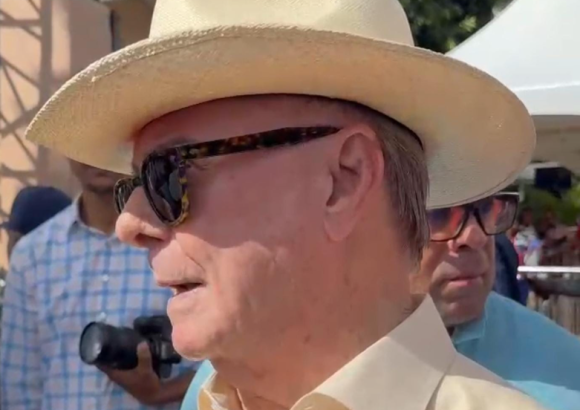
In Santo Domingo, former Dominican Republic President Hipólito Mejía has publicly weighed in on the recent suspension of the country’s mango shipments to the United States, tying the trade restriction to potential weaknesses in the nation’s plant health monitoring infrastructure. The export halt was triggered after inspectors detected the presence of the Mediterranean fruit fly, a notorious agricultural pest that poses major risks to commercial fruit production. Mejía argued that the detection of the invasive insect makes a compelling case for a full audit of existing phytosanitary control protocols. He called for a thorough review to pinpoint any systemic failures that allowed the pest to establish a presence and slip through pre-export screening measures. At the same time, the former leader was careful to put the outbreak in broader context, noting that the Mediterranean fruit fly is not an isolated problem limited to the Dominican Republic. The pest has been recorded in a number of other producing nations around the world, he emphasized. Instead of dwelling on blame, Mejía urged the country’s current agricultural and public health authorities to prioritize immediate containment efforts. The top priority, he said, must be stopping the pest from spreading further and cutting the financial and trade damage to the Dominican mango sector, a key agricultural export that supports thousands of livelihoods across the country. In a separate political development addressed during the same public remarks, Mejía pushed back against circulating claims that he was behind a push to install his son-in-law, Juan Garrigó, as the candidate for secretary general of the ruling Modern Revolutionary Party (PRM). Mejía acknowledged that he holds no personal opposition to Garrigó seeking and serving in the influential party position, but stressed that any potential candidacy is not being driven or orchestrated by him. The clarifications come as the Dominican Republic navigates both a critical agricultural trade challenge and ongoing internal party organizing ahead of upcoming political cycles.
Hipólito Mejía calls for review of phytosanitary controls after U.S. mango export suspension