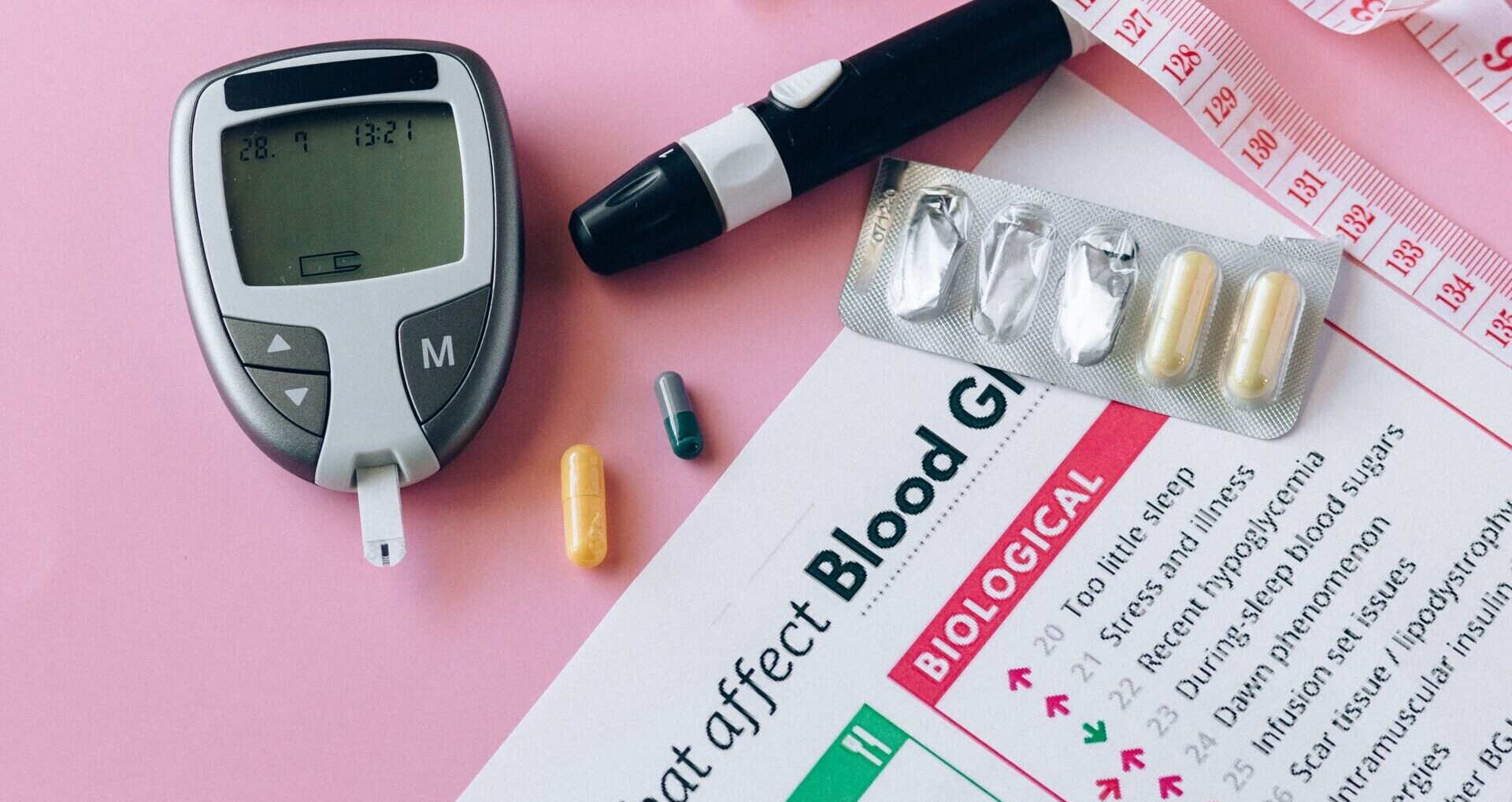
Across the Caribbean region, a diverse coalition of health-focused stakeholders has gathered for a targeted regional dialogue, aiming to fill a critical gap in disaster preparedness and response: meeting the unique care needs of people living with noncommunicable diseases (NCDs) when crises strike. The gathering brought together a cross-section of key players, from medical specialists and frontline healthcare workers to representatives of civil society organizations and people directly living with chronic noncommunicable conditions, all united by a shared goal of building more inclusive disaster response frameworks.
The two-hour virtual and in-person hybrid discussion centered on one of the most pressing public health challenges facing small island Caribbean nations today: the escalating impact of climate-fueled emergencies on already strained regional healthcare systems, and the disproportionate harm these disasters inflict on vulnerable populations. Unlike sudden-onset health emergencies that grab global headlines, the ongoing care needs of people living with NCDs such as diabetes, hypertension, and asthma are often overlooked in disaster response planning, a gap that can lead to preventable illness and death long after the immediate crisis passes.
During the session, participants drew on first-hand experience from past hurricane, flood, and drought events to illustrate common failures in current response frameworks, then collaborated to outline actionable solutions. The dialogue highlighted a range of practical, adaptable strategies, existing resource repositories, and targeted recommendations designed to build more resilient, patient-centered systems for NCD prevention, treatment, and continuous care across the entire disaster cycle – from pre-disaster preparedness planning through immediate response and long-term post-crisis recovery. For stakeholders across the Caribbean, the conversation marks an important step toward centering the needs of vulnerable chronic disease patients in regional climate and health policy, with the full discussion available for public viewing via an online replay.