As of July 20, 2026, a dispute over judicial appointment processes in Belize has sparked a broader reckoning within the country’s legal ecosystem, centered on whether criminal defense lawyers are being systematically shut out of key decision-making bodies.
At the heart of the debate is the Judicial and Legal Services Commission, the independent body tasked with selecting and appointing judges to Belize’s courts. Currently, only the Belize Bar Association holds a guaranteed seat on the commission through its designated representative. But the Association of Defense Attorneys is pushing back against this structure, arguing that its constituency — which handles the overwhelming majority of criminal cases moving through Belize’s court system — deserves a formal, legislatively protected voice at the table. The debate has gained new urgency amid two upcoming appointments to the High Court’s criminal division, a post that will oversee a large volume of the work that defense attorneys interact with daily.
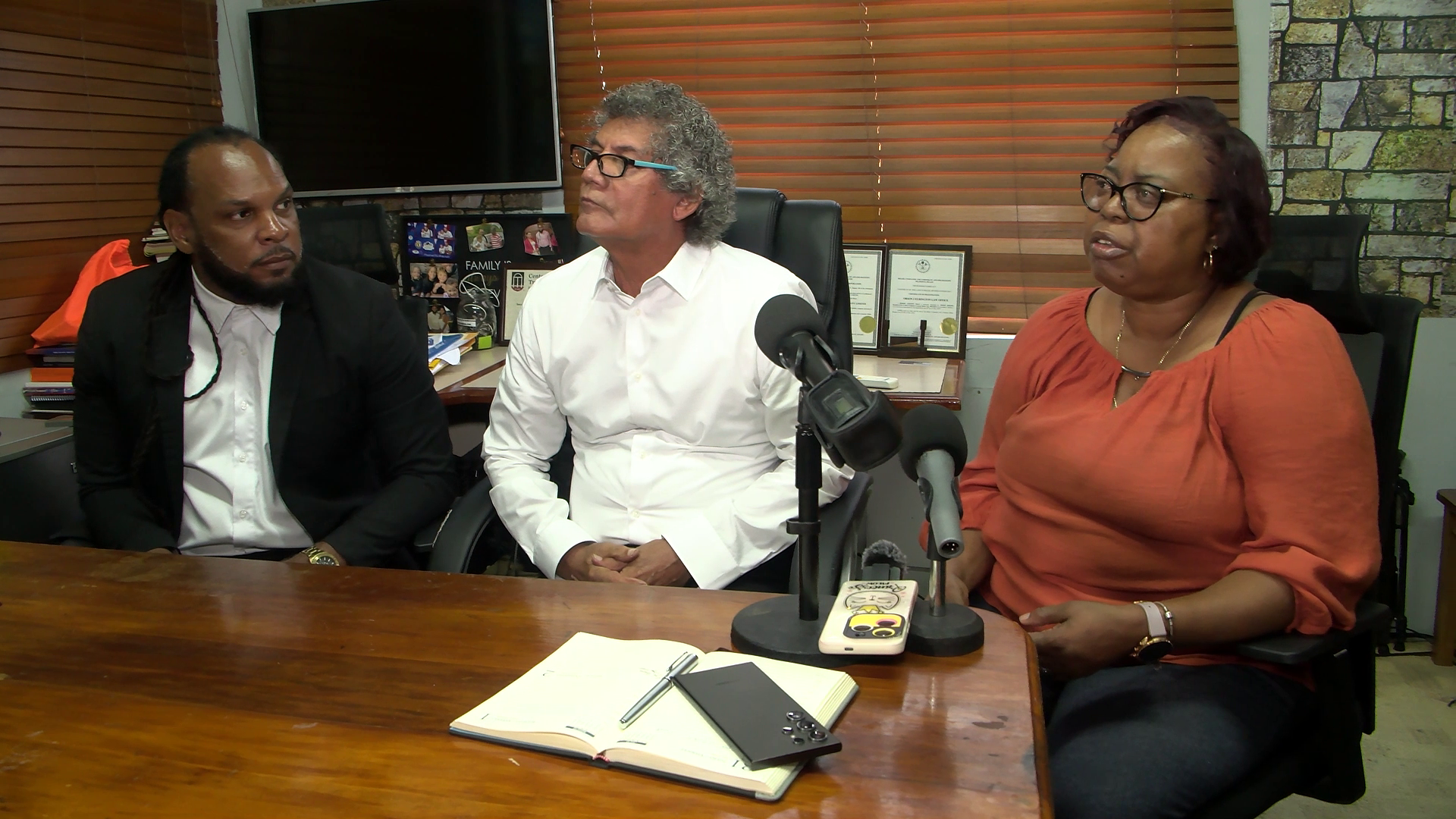
Orson Elrington, a practicing defense attorney, laid out the long-running history of the demand in comments to local media. Elrington noted that successive Belizean governments have repeatedly acknowledged the need for reform and promised to grant the Association of Defense Attorneys a formal seat on the commission. Even senior leadership of the Bar Association has publicly supported the principle of giving defense lawyers a constitutionally enshrined spot, Elrington said — yet no formal change has been codified into law to secure that representation. “We are saying it is not – by law that we are constitutionally entitled to a seat on the Judicial and Legal Services Commission,” Elrington emphasized, pointing out that the promise of reform has yet to translate into tangible action.
For its part, the Bar Association has struck a conciliatory tone, rejecting claims of open conflict between civil practitioners and criminal defense lawyers. Jose Alpuche, president of the Bar Association, acknowledged the irreplaceable role that defense attorneys play in upholding Belize’s criminal justice system. “They are an indispensable function of our judicial system because our system depends on attorneys, our criminal justice system depends on attorneys representing the accused,” Alpuche explained. He added that many members of the Bar Association also handle criminal cases, meaning criminal practice is not exclusive to the Association of Defense Attorneys. Alpuche stressed that the Bar Association has no quarrel with defense attorneys, praising their work for both the public and the broader judicial system and rejecting framing that paints the two groups as being at odds.
As the debate unfolds, both sides are continuing to make their cases around core questions: what does fair representation of the full legal profession look like on a body that shapes the nation’s judiciary, how much influence should different legal subsets hold over judicial selection, and when will long-promised reform be put into practice?