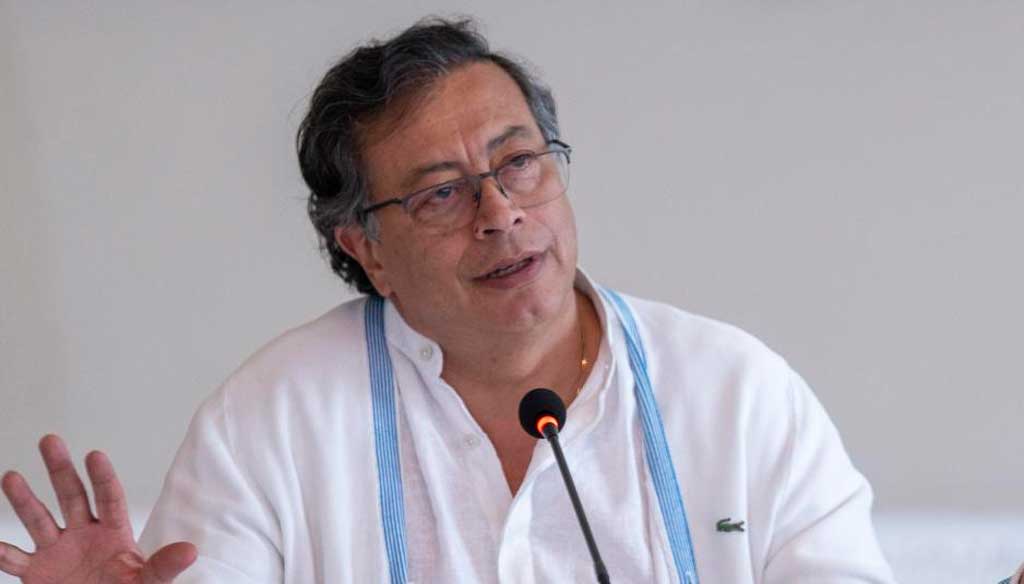
As Colombia prepares to swear in its newly elected legislative body this week, outgoing President Gustavo Petro has delivered a high-stakes message to members of his ruling Pacto Historico coalition, demanding unified parliamentary discipline and tighter oversight of caucus members’ actions ahead of a key leadership vote in the Senate.
In his public address, Petro outlined that Pacto Historico will prioritize brokering a broad national consensus to head off violent political polarization between Colombian factions, framing the effort as a commitment to protecting democratic stability across the region historically liberated by South American independence icon Simón Bolívar.
Petro issued a clear directive to his allies: no member of Pacto Historico — and he extended that appeal to all factions of the broader Alliance for Life coalition — should cast a vote for candidates backed by the incoming conservative coalition, which he accuses of seeking to criminalize political opposition and erode fundamental democratic freedoms. The comment is widely understood to be a direct rebuke of Alfredo Deluque, the conservative-aligned legislator tapped by the incoming government to take the presidency of the Colombian Senate.
The Colombian leader pushed back against the weaponization of judicial processes in political disputes, noting that democracy is rooted in inclusive political freedom, not the judicialization of ideological differences. “The Right should not be criminalized simply for being right-wing — I granted them full democratic guarantees during my administration — nor should progressivism be criminalized,” he explained.
Reiterating the stakes of the upcoming vote, Petro declared that “Tomorrow, no one from the Pact (…) must succumb to the temptation of supporting fascism.”
Petro also voiced public regret over the actions of Rodrigo Lara, the incoming administration’s designated Interior Minister, whom he accuses of having already taken “the first step toward fascism” by improperly meddling in internal party decision-making that falls outside the scope of the incoming executive’s authority.
The swearing-in ceremony for members of Colombia’s new legislative term is scheduled to take place tomorrow, bringing to a close months of post-election negotiations and political maneuvering over control of the country’s congressional agenda.