On July 17, 2026, the Caribbean region and the global sporting community mourned the passing of The Right Excellent Sir Garfield St. Aubrun Sobers, OCC, Barbados’ National Hero and one of the most transformative figures in modern Caribbean history. While cricket fans across the world celebrate him as arguably the most complete all-round cricketer to ever step onto a pitch, his legacy stretches far beyond the boundary ropes, weaving deeply into the story of the Caribbean’s journey out of colonialism and into sovereign self-belief.
Sir Garfield’s on-field statistical achievements remain staggering, even decades after he retired from international cricket. Across 93 Test matches played between 1954 and 1974, he accumulated 8,032 runs at an elite average of 57.78, notched 26 centuries, took 235 wickets, and held 109 catches. He set a new world record for the highest individual Test score at the time with an unbeaten 365 against Pakistan, and made history as the first first-class cricketer to hit six consecutive sixes in a single over. What made his career even more remarkable was his versatility: he excelled as a fast-medium bowler, a left-arm orthodox spinner, and a left-arm wrist spinner, all while maintaining his status as one of the game’s top batsmen. More than 50 years after hanging up his bat, he remains the global gold standard for all-round excellence in cricket.
But to reduce Sir Garfield’s legacy to cricket statistics is to miss the profound historical role he played as the Caribbean emerged into independence. His international career grew alongside the birth of sovereign Caribbean nations: as visionary leaders from across the region drafted constitutions, raised new national flags, and built the institutions of independent governance, Sir Garfield was building something equally critical to the project of post-colonial nationhood: collective confidence.
He was a core member of the Caribbean’s golden generation of cricketers, alongside icons including Sir Frank Worrell, Sir Everton Weekes, Sir Clyde Walcott, Conrad Hunte, Rohan Khai, Wes Hall, and Charlie Griffith. Together, they turned the West Indies cricket team into far more than a sporting side: it became a living symbol of a united Caribbean, a region of many nations bound by shared history, shared struggle, and shared ambition. When Sir Frank Worrell broke barriers as the first full-time Black captain of the West Indies, uniting players from across former colonial borders under a single common purpose, he laid a foundation that Sir Garfield would later elevate to unprecedented heights. Long before regional integration was formalized through the creation of CARICOM in 1973 and the Association of Caribbean States in 1994, West Indies cricket proved that the Caribbean could compete, think, and win as one collective people—a spirit that continues to animate regional institutions working toward economic integration, climate resilience, maritime cooperation, and a stronger global voice for the Caribbean today.
Long before the Caribbean gained significant economic or geopolitical influence on the world stage, it claimed global respect through cultural influence, and Sir Garfield stood as one of the region’s earliest and most effective soft power ambassadors. He earned worldwide admiration not through military or economic force, but through unrivaled excellence, quiet humility, and exemplary sportsmanship. It was no accident that his rise to global fame aligned perfectly with the growth of Caribbean nationalism. When he scored runs and claimed victories against the former imperial power that had introduced cricket to the region, those achievements carried far more than sporting weight: for millions of West Indians, they became symbolic steps in a larger fight for justice, recognition, and repair for the harms of colonialism. Every century he scored restored a piece of collective dignity, every victory challenged long-held racist assumptions of colonial and racial superiority. These were not just marks on a scoreboard; they were symbols of a people reclaiming their confidence.
Long before reparatory justice became a formal pillar of Caribbean diplomacy, West Indies cricket and Sir Garfield’s leadership helped recover something even more priceless: the self-belief, pride, and dignity of a people. Political independence transferred constitutional power from colonial rulers to local governments, but psychological decolonization required restoring faith in the potential of Caribbean people—and Sir Garfield helped lead that work. He gave generations of Caribbean children the courage to believe they could equal, and even surpass, the nations that once governed them. This is not to say Sir Garfield intentionally framed every innings as a political statement; rather, the context of history invested his performances with profound meaning. Cricket, imported by the British Empire as a tool of colonial socialization, was mastered by the descendants of enslaved and colonized people, and transformed into one of the Caribbean’s most powerful instruments of psychological liberation. As the iconic Trinidadian historian C.L.R. James once wrote, “What do they know of cricket who only cricket know?”—and Sir Garfield’s life stands as one of the clearest illustrations of that timeless truth.
Sir Garfield’s character was forged by personal hardship long before he found international fame. His father died at sea during World War II when he was still a child, and he was raised in modest circumstances by his mother Thelma, who instilled in him resilience, humility, and perseverance from a young age. A second devastating personal loss shaped his life: in 1959, his close friend and West Indies teammate Collie Smith died in a car accident in England that Sir Garfield survived. Rather than letting grief break him, he turned that tragedy into a renewed sense of purpose, carrying himself with a quiet maturity and dignity that earned admiration across the global cricketing community.
His life became a powerful affirmation of the Black Caribbean experience: one defined not by victimhood, but by resilience; not trapped by the traumas of history, but strengthened by them; not diminished by adversity, but elevated through relentless excellence. Just as Martin Luther King Jr. advanced the cause of human dignity through moral leadership and nonviolent resistance, Sir Garfield demonstrated on the cricket field that excellence itself could challenge long-held harmful assumptions about race, human worth, and potential. He proved that excellence could be a form of diplomacy: without ever speaking at the United Nations, negotiating treaties, or holding political office, he changed how the world saw the Caribbean, and more importantly, how Caribbean people saw themselves. His achievements became a global passport for regional respect, proving that a small archipelago of developing nations could produce a standard of excellence that the entire world would unreservedly acknowledge.
Today, the Caribbean faces a new set of challenges: building climate resilience, advancing technological innovation, securing food and energy sovereignty, expanding maritime cooperation, empowering youth, growing the blue economy, and advancing reparatory justice top the regional agenda. These goals demand the same spirit of confidence, collective purpose, and imagination that Sir Garfield inspired throughout his lifetime. His legacy, therefore, stretches far beyond cricket: it is a blueprint for regional development, holding that individual excellence reaches its highest purpose when it lifts collective dignity, and personal achievement gains its deepest meaning when it advances the progress of an entire people.
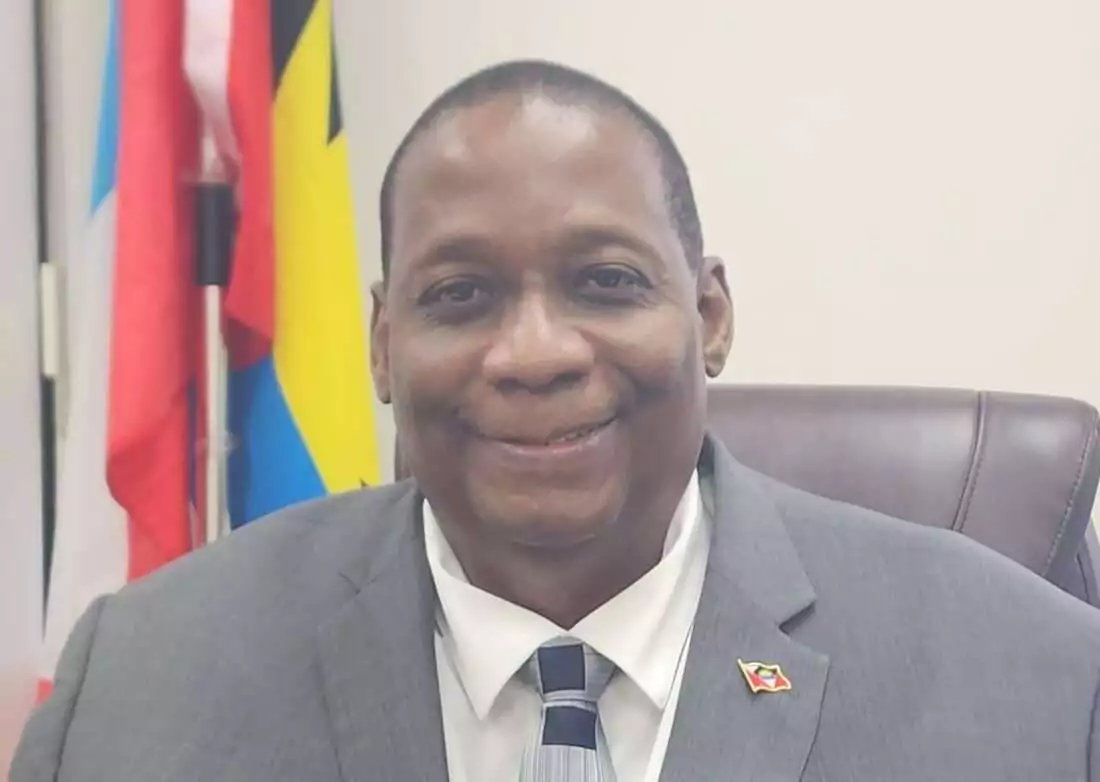
It was deeply fitting that Antigua and Barbuda ordered its national flags to be lowered to half-mast in his honor. Though Sir Garfield was born a citizen of Barbados, he belonged to the entire Caribbean by destiny. His achievements are part of the common inheritance of every Caribbean citizen. Future generations will rightly remember him as cricket’s greatest all-rounder. But history will remember him for something far greater: at the defining moment of the Caribbean’s journey from colonial dependency to sovereign confidence, he became one of the most powerful embodiments of the region’s emerging self-belief. His bat scored runs, but his life restored dignity. His wickets won matches, but his example inspired generations of confidence. Long after the final applause for his career fades, the Caribbean will continue to draw strength from the extraordinary innings he played on behalf of all of us.