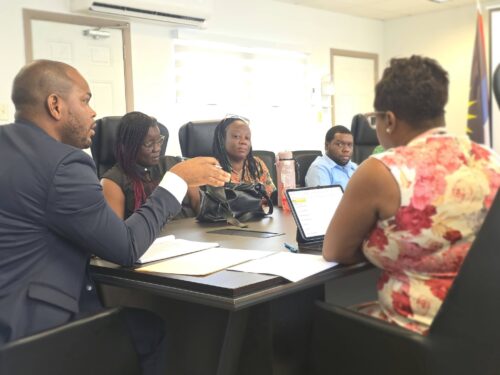
In a targeted push to upgrade the nation’s healthcare framework, Michael Joseph, Minister of Health, Wellness, Environment and Civil Service Affairs of Antigua and Barbuda, has held a working meeting with the leadership and frontline staff of the Ministry’s Health Information Division. The gathering forms a key part of the government’s ongoing initiative to reinforce national health information systems, and expand the role of data in shaping public healthcare planning and high-stakes policy decisions.
During the meeting, Minister Joseph underlined that robust, reliable health data forms the backbone of both evidence-driven policy development and high-quality, responsive healthcare service delivery. He stressed that a well-functioning health information ecosystem is non-negotiable for effective governance in the health sector.
“Quality health information is the foundation of sound decision-making,” Joseph stated. “By strengthening our systems and improving how data is collected, analyzed, and shared, we can make better policy decisions that directly benefit the people of Antigua and Barbuda. Equally important, we want to ensure that this information is accessible to the public so that citizens are informed about the nation’s health status and can make healthier choices.”
Participants in the meeting also explored actionable strategies to streamline the aggregation and distribution of national health statistics. Improved data handling will allow the government to detect emerging public health trends at an earlier stage, allocate limited healthcare resources more efficiently, and design targeted public health programs that directly address the unique needs of marginalized and under-served communities across the twin islands.
Joseph further noted that expanding public access to standardized health information will not only boost government transparency in the health sector but also encourage greater active participation from residents in national health and wellness initiatives. When citizens have clear insight into community and national health outcomes, they are more likely to engage with preventive care programs and adopt lifestyle choices that improve long-term public health.
Following the discussions, the Health Information Division publicly reaffirmed its commitment to rolling out comprehensive system modernization. The division pledged to deepen collaborative work with cross-sector stakeholders across Antigua and Barbuda’s health ecosystem to build a more resilient, accessible national health information infrastructure.
For its part, the Ministry of Health, Wellness, Environment and Civil Service Affairs says it remains fully committed to advancing the transition to a fully data-driven healthcare system. This long-term effort is designed to support more informed policy and clinical decision-making, lift overall population health outcomes, and advance the well-being of all residents across Antigua and Barbuda.