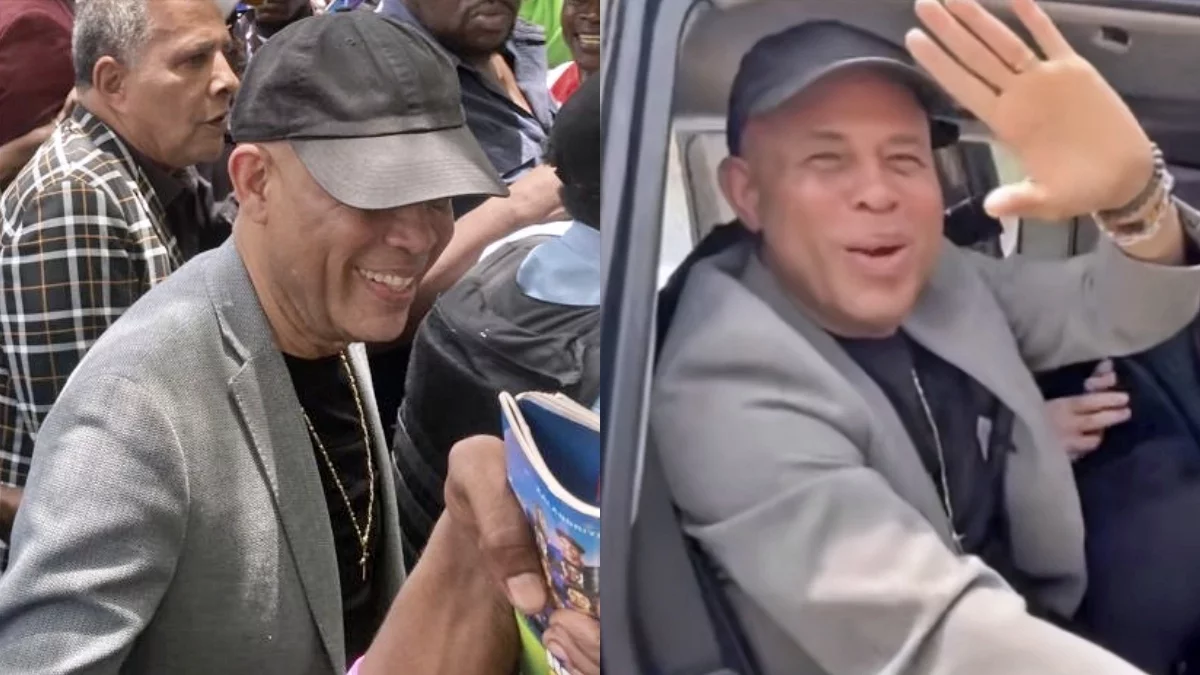
After years living in exile in Miami, former Haitian head of state Michel Martelly made a high-profile return to Haitian soil on July 15, 2026, touching down in the capital Port-au-Prince following a domestic flight from Cap-Haitien operated by local carrier Sunrise Airways.
The arrival was anything but low-key: hundreds of fans, loyal supporters and political sympathizers turned out to welcome Martelly, with traditional Haitian rara bands filling the air with music to create a festive, energized atmosphere for the former president’s homecoming.
Martelly’s return comes at a critical juncture for Haitian politics, as the country prepares for upcoming general elections while the long-running investigation into the 2021 assassination of President Jovenel Moïse enters a new active phase. As the political figure who handpicked Moïse to succeed him in office, Martelly has been called as a witness for questioning by lead investigating judge Jean Denis Cyprien. Authorities have emphasized that Martelly has not been named a suspect or faced any formal charges connected to the 2021 assassination that plunged Haiti into deeper political chaos.
As of his arrival, no official timeline has been released for how long Martelly will remain in the country. This ambiguity has fueled widespread political speculation among independent observers, who suggest the former president may use his visit to do more than just comply with the investigation. Many analysts believe he will spend his time on the ground gauging the current national political mood, and measuring the level of popular and institutional support he could attract if he chooses to launch a comeback bid for the presidency in the upcoming elections.
A potential candidacy would face significant immediate barriers, however. Martelly’s former political party, the Tèt Kale Party (PHTK), is not included on the official list of 316 political parties cleared to field candidates in the upcoming general vote. Even with this institutional hurdle, Martelly still retains notable backing from key segments of Haiti’s private business sector and established political class, resources that could help him navigate the challenges of a potential campaign.