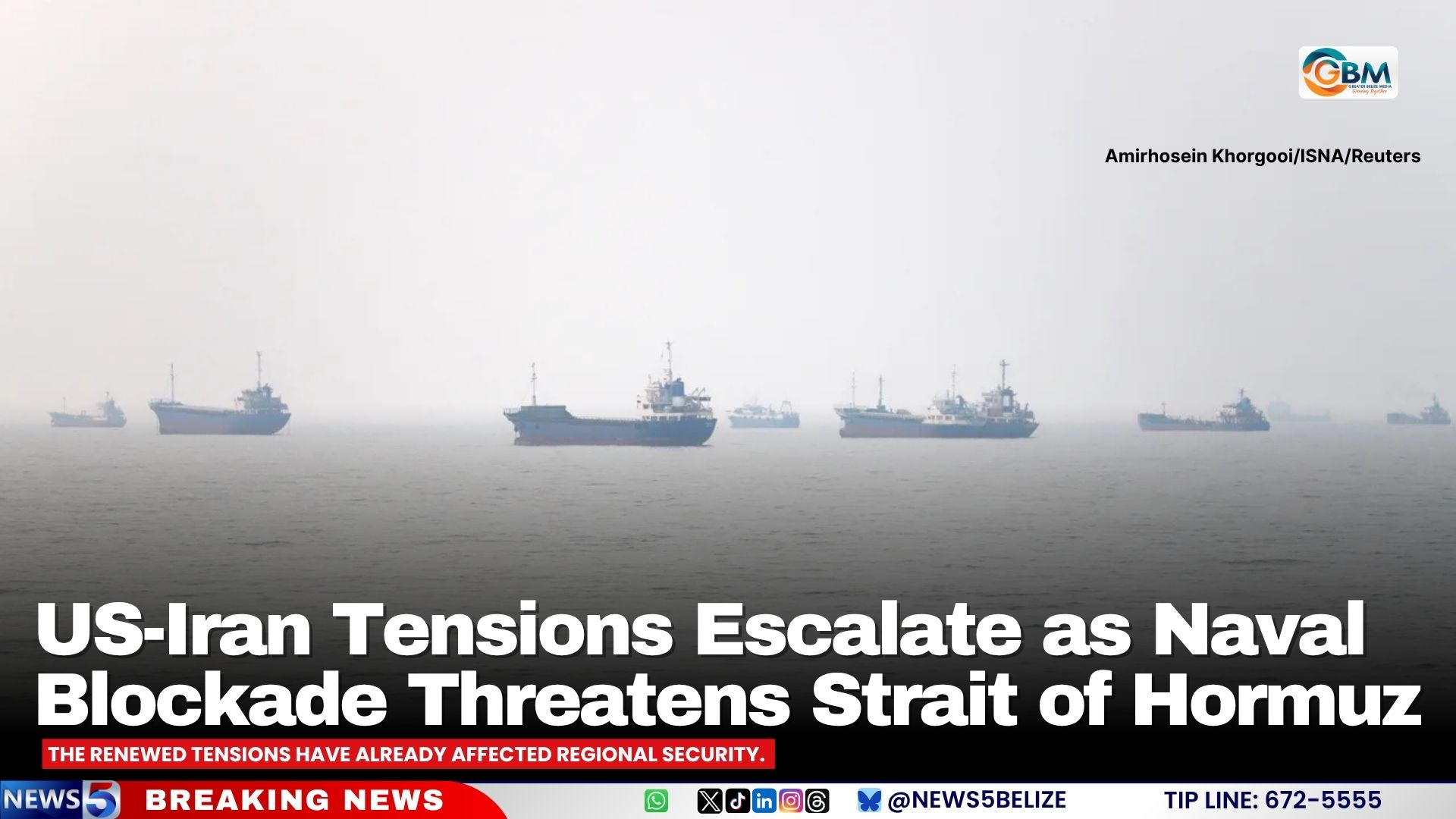
On July 14, 2026, a fresh wave of geopolitical volatility is sweeping the Middle East, as rising tensions between the United States and Iran push the two powers closer to a broader military confrontation. The trigger for this latest escalation comes after a fragile ceasefire between Washington and Tehran collapsed, clearing the way for the US to reinstate a naval blockade in waters adjacent to the Strait of Hormuz — one of the world’s most strategically critical maritime transit chokepoints.
According to a statement from US Central Command, the blockade is scheduled to resume at 4:00 p.m. Eastern Time on the same day the announcement was made. In response to the move, Iranian officials have issued a stark warning: any American strike targeting the suspected underground nuclear facility called Pickaxe Mountain will be met with a devastating, overwhelming counter-response.
Stretching between the Iranian coast and the Sultanate of Oman, the Strait of Hormuz handles nearly a fifth of the world’s daily oil consumption and a third of global liquefied natural gas shipments, making any disruption to navigation here a shock to the global energy system. Its unique geography, with a narrow shipping lane just miles wide, means it has long been a flashpoint for global geopolitical rivalry.
Already, the spike in tensions has triggered security disruptions across the Gulf region. Kuwait’s military confirmed it was actively responding to unprovoked hostile aerial attacks within its territory, and security agencies across all Gulf Cooperation Council states have maintained a high-level alert status. The European Union Aviation Safety Agency (EASA) has issued an urgent advisory urging all commercial airlines to avoid flying through the airspace of Bahrain, Qatar, Kuwait, the United Arab Emirates, and large sections of the Gulf of Oman, citing sharply elevated risks of military conflict targeting civilian infrastructure.
In a sudden policy shift, former US President Donald Trump reversed a planned proposal to impose a 20% reimbursement fee on all commercial cargo passing through the Strait of Hormuz. The fee, initially framed as a way for the US to recoup costs for its regional security operations, drew widespread international condemnation from legal experts and trading nations who argued it would violate long-standing international law governing free passage through global waterways. Trump announced that instead of the fee, Washington will negotiate new bilateral trade and investment agreements with Gulf nations to cover security expenses.
Global energy markets have already priced in the growing uncertainty, with benchmark Brent crude jumping to its highest level in more than a month as investors brace for potential disruptions to oil shipments. Analysts warn that any prolonged closure or blockade of the strait could send global oil prices soaring, triggering inflationary pressures across major economies and derailing fragile post-pandemic growth trajectories.