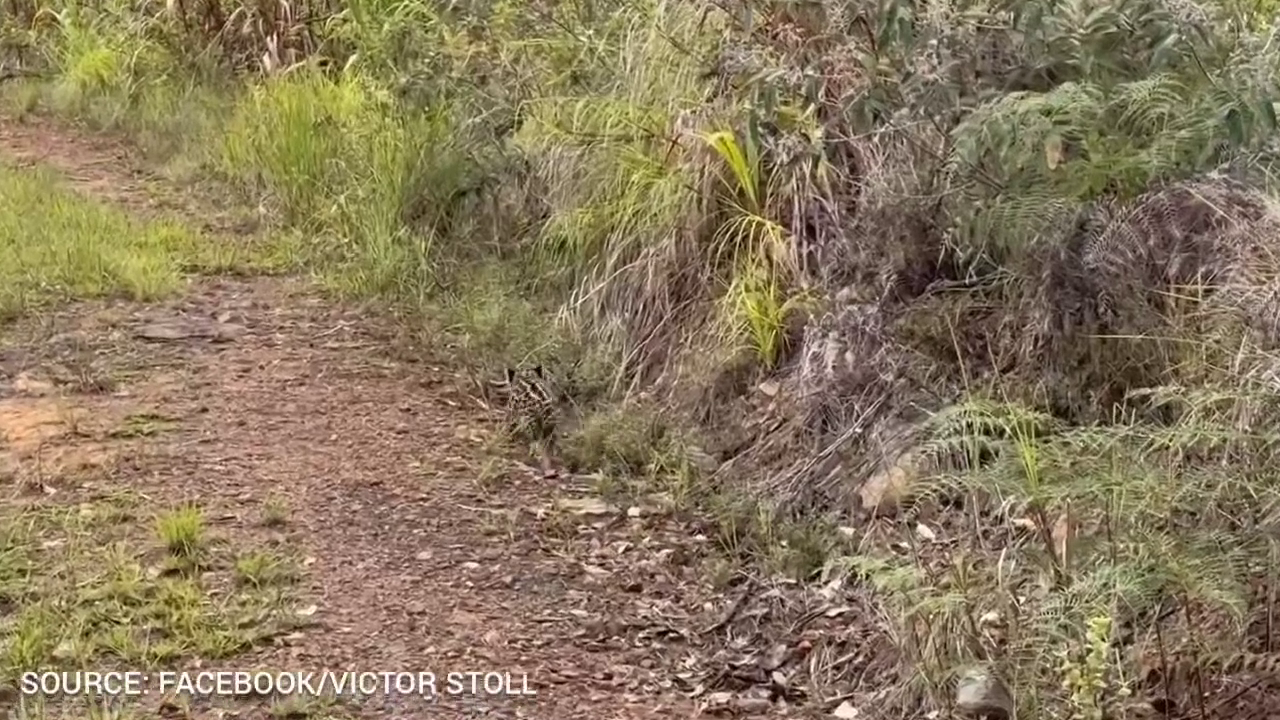
In late 2026, a recently circulated viral video filmed in Belize’s protected Mountain Pine Ridge reserve has reignited urgent conversations about ethical wildlife interaction and enforcement of protected area rules, after footage showed a group of men cornering, approaching and making physical contact with a young jaguar cub. While many viewers who shared the clip framed the encounter as a once-in-a-lifetime, thrilling close-up experience with an elusive big cat, conservation leaders and wildlife experts have pushed back strongly, warning that the irresponsible actions seen in the footage put both the humans and the extremely vulnerable young animal at severe, potentially fatal risk. Jaguars, a species of high conservation concern across Central America, are granted full legal protection under Belizean national legislation, which requires all visitors to natural habitats to observe wild animals only from a safe, non-intrusive distance. To unpack the full scope of dangers posed by this interaction, local media spoke with Dr. Celso Poot, a respected wildlife ecologist and managing director of the Belize Zoo, who has decades of experience working with jaguars in captive and wild settings. Dr. Poot explained that wild jaguar mothers react to threats to their cubs the same way any parent would: any human approaching a newborn cub is immediately perceived as an aggressor, raising the immediate risk of a lethal defensive attack from the nearby mother, who would not distinguish between human intruders and other predatory threats. Beyond the immediate safety risk to the men involved, Dr. Poot emphasized that the encounter inflicted severe, potentially long-lasting physiological harm to the young cub, which his team estimates was only two weeks to one month old—one of the most vulnerable life stages for the species. “Wildlife professionals who handle young jaguars for research or conservation follow strict, carefully designed protocols to minimize stress, but these untrained members of the public had no regard for that,” Dr. Poot noted. He explained that extreme stress triggered by human handling can lead to a life-threatening condition called capture myopathy, where elevated stress hormones cause muscle rigidity and organ damage that can kill an affected animal even days after the encounter. “Just like humans, when an animal faces a life-threatening fright, it takes significant time to recover, if it recovers at all,” he added. While Dr. Poot was able to debunk the common myth that human scent on a cub will automatically lead the mother to abandon her young, he did note that replacing the mother’s natural scent with human odors removes a key layer of protection, leaving the cub more vulnerable to predators in the jungle. The incident has prompted conservation organizations across Belize to renew calls for better visitor education in protected areas, stricter enforcement of wildlife distance rules, and greater public awareness of how seemingly harmless “up close” wildlife encounters can have irreversible consequences for protected species. This public outcry comes as Belize works to maintain its position as one of the last strongholds for healthy jaguar populations in Central America, where habitat loss and human-wildlife conflict remain persistent threats to the species’ long-term survival.