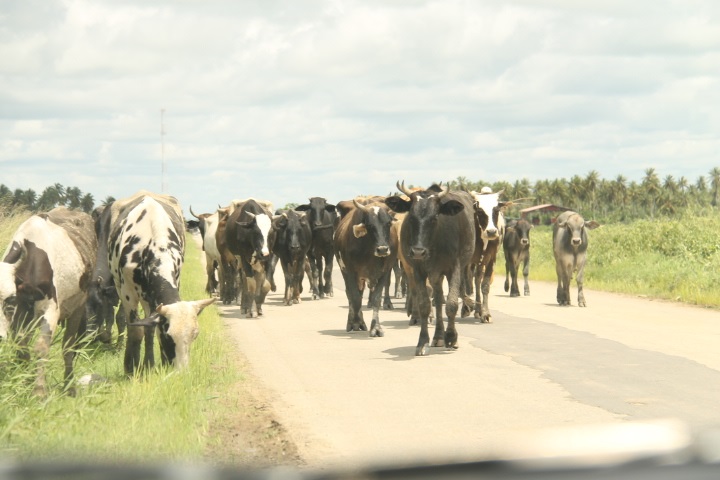
In a strategic move to strengthen domestic agricultural output and advance national food security goals, the South American nation of Guyana has acquired 1,000 pregnant heifers from neighboring Brazil, the country’s Ministry of Agriculture has confirmed. The procurement project, valued at a total of 245 million Guyanese dollars, represents a key government investment to expand both beef and dairy production across the country.
As of the latest update dated 12 July 2026, 300 of the imported cattle have already cleared entry protocols and are en route to a dedicated facility in Ebini, located along Guyana’s Berbice River. Once settled, these animals will be integrated into a state-led national breeding program crafted to upgrade the country’s cattle genetic stock and scale up overall national cattle production capacity.
All imported heifers have met strict biosecurity and health standards required by Guyana’s regulatory framework, according to official statements from the ministry. The animals completed full veterinary inspections, diagnostic testing, and pre-export quarantine protocols before leaving Brazil, confirming they comply with all the country’s animal health import requirements.
The procurement process followed all national public tender regulations outlined in Guyana’s Procurement Act. In total, four bids – one from a domestic supplier and three from international operators – were submitted and reviewed by regulatory authorities. After a transparent evaluation process, the National Procurement and Tender Administration Board (NPTAB) awarded the contract to Brazilian supplier Coopera, which secured the deal with a price of 245,000 Guyanese dollars per pregnant heifer.
Government officials framed the purchase as a reflection of the administration’s ongoing commitment to developing a modern, shock-resistant livestock sector for Guyana. By expanding the national cattle herd with high-quality breeding animals, the initiative is expected to drive growth in domestic livestock output, create expanded economic opportunities for local cattle farmers, cut the country’s reliance on imported breeding cattle, and advance core national food security targets.