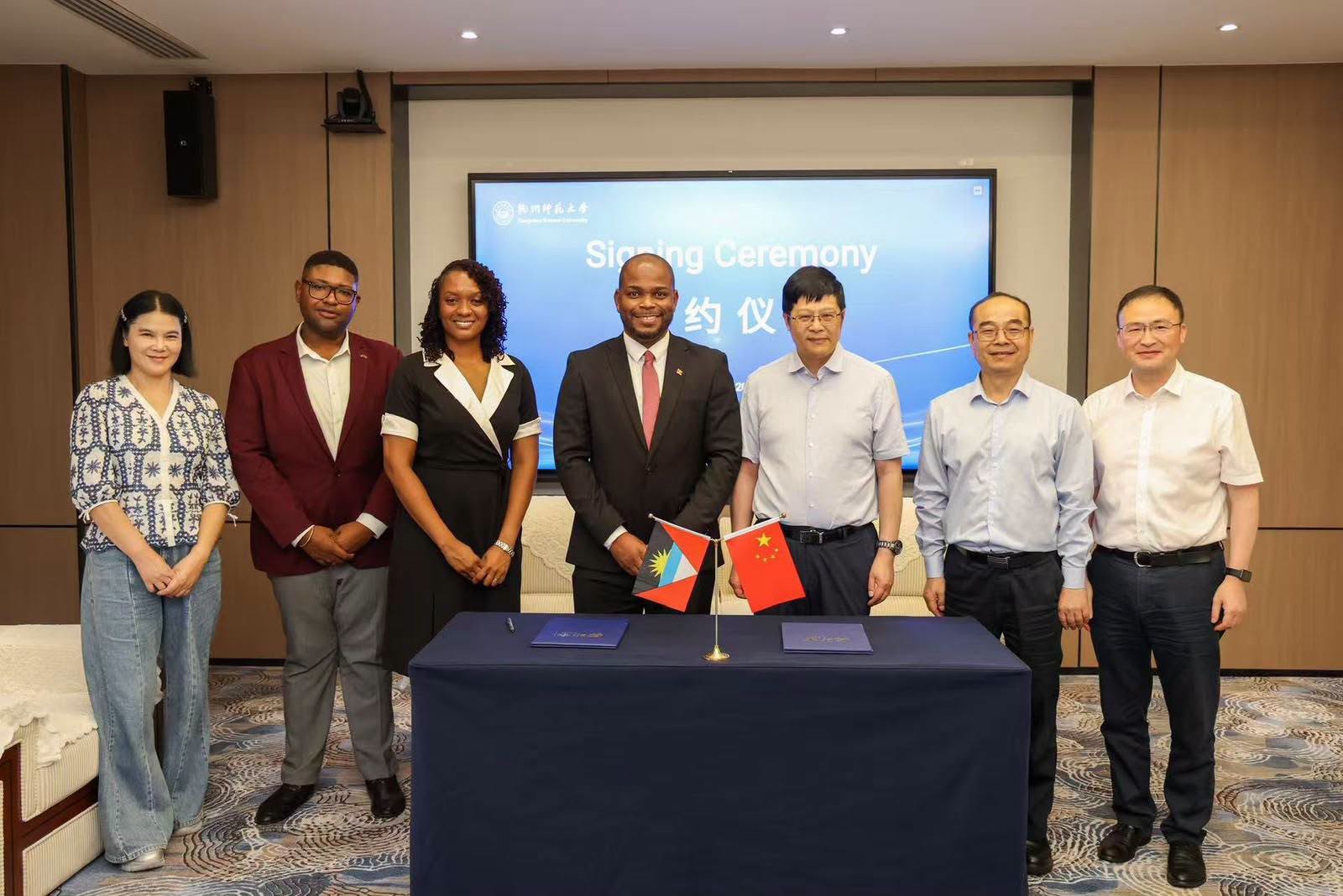
In a historic step that promises to transform the Caribbean nation’s public health landscape, Minister of Health, Wellness and the Environment of Antigua and Barbuda Michael Joseph has formalized seven landmark healthcare cooperation agreements with Chinese partners during an official diplomatic working session in Beijing.
The multi-faceted partnerships cover a wide range of critical health priorities, from upgrading under-resourced rural and urban medical facilities across Antigua and Barbuda to expanding access to specialized medical training for local clinical staff. The agreements also pave the way for joint research into regional public health challenges, enhanced supply chain stability for essential pharmaceuticals and medical equipment, and the development of digital health systems to streamline patient care delivery.
During the signing ceremony, Minister Joseph emphasized that the agreements represent a cornerstone of Antigua and Barbuda’s long-term national health strategy, addressing long-standing gaps in service delivery that have disproportionately affected marginalized communities in the island nation. He noted that the cooperation aligns with shared development goals between the two countries, built on decades of mutual respect and collaborative partnership that has prioritized the needs of small island developing states.
Chinese diplomatic representatives reaffirmed the country’s commitment to supporting global health equity, particularly for small island nations that face unique structural and resource challenges in building resilient health systems. The partnerships, which are scheduled to roll out implementation over the next five years, are expected to create dozens of new healthcare jobs and reduce the need for Antigua and Barbuda residents to seek specialized medical treatment abroad, cutting healthcare costs for thousands of households.
Health policy analysts note that the agreement marks a deepening of bilateral ties between China and Antigua and Barbuda, while delivering tangible, people-centered benefits that will strengthen the Caribbean country’s ability to respond to future public health emergencies and improve long-term population health outcomes.