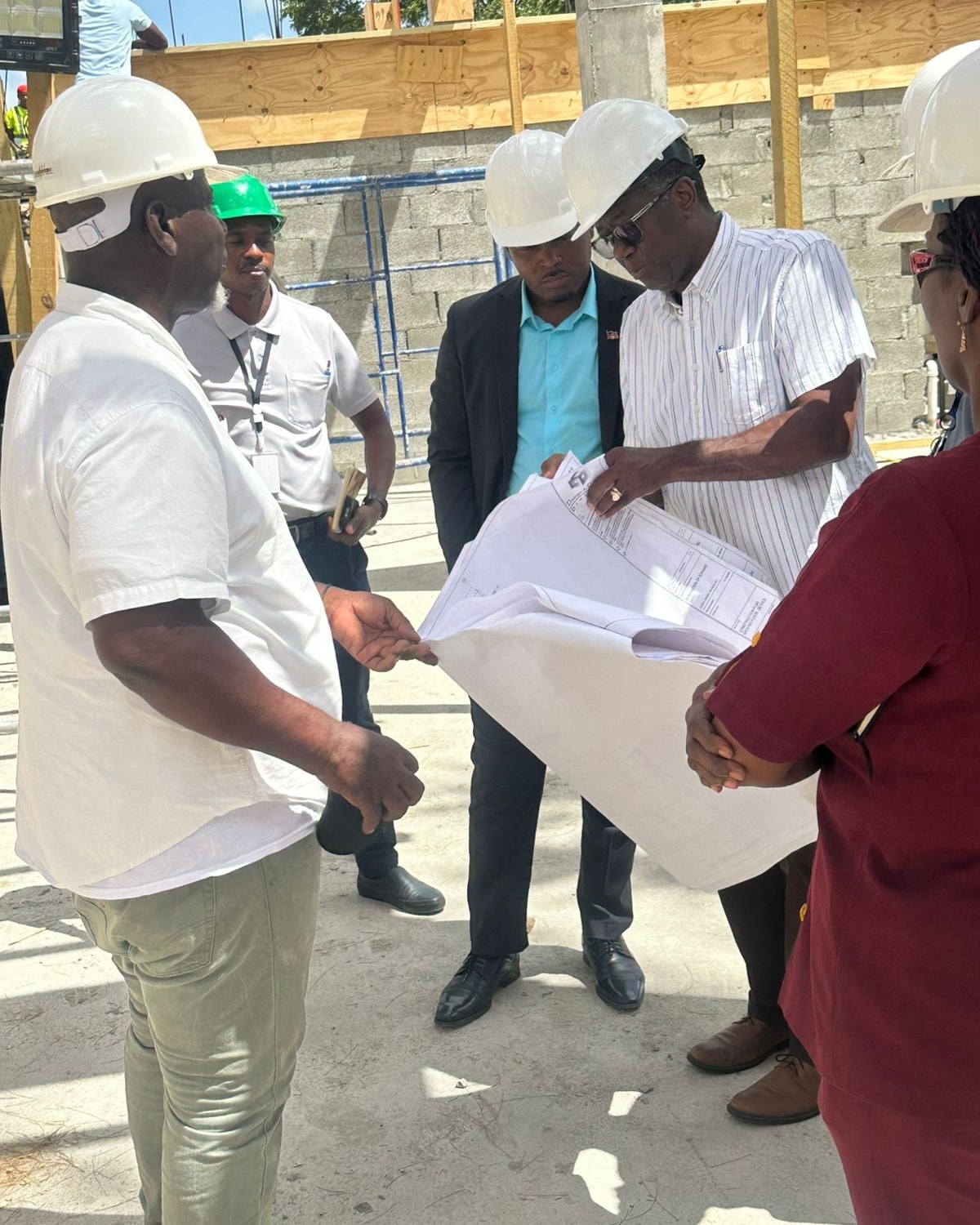
Antigua and Barbuda is poised to take a major step forward in expanding its domestic specialized healthcare infrastructure, with Prime Minister Gaston Browne confirming that the nation’s new state-of-the-art renal treatment unit will open its doors to patients in just one to two months. Speaking during a recent appearance on the locally broadcast Browne and Browne Show, the prime minister shared that construction and outfitting of the long-awaited facility has entered its final phase, bringing the project close to completion after months of development work.
“It’s practically finished,” Browne told listeners of the program. “We will complete the renal facility within a matter of maybe a month or two.”
The renal unit is just one piece of a sweeping government-led initiative to boost access to high-quality specialized medical care across the dual-island nation. For years, many Antigua and Barbuda residents have been forced to travel abroad to receive advanced medical treatments, incurring significant personal and financial costs to access care that is not available domestically. The current administration has made expanding local healthcare infrastructure a core policy priority to address this gap.
In addition to the upcoming opening of the renal unit, Browne outlined two other key healthcare projects moving forward. First, Health Minister Sir Molwyn Joseph is scheduled to travel to China in the coming months as part of bilateral cooperation efforts to develop a new cardiac care unit for the country. This partnership aims to bring advanced heart treatment services to local patients for the first time.
Second, the nation’s long-delayed comprehensive cancer treatment center is now on track to open this fall. Browne explained that the project faced significant setbacks after legal disputes emerged involving previous parties contracted to develop the facility, but those issues have now been resolved, clearing the way for completion.
Throughout his remarks, the prime minister emphasized that the government remains fully committed to investing in targeted, specialized healthcare infrastructure across the country. The ultimate goal of these investments, he noted, is to eliminate the need for local residents to travel overseas for life-saving specialized medical care, bringing critical services closer to home and reducing the financial burden on patients and their families.