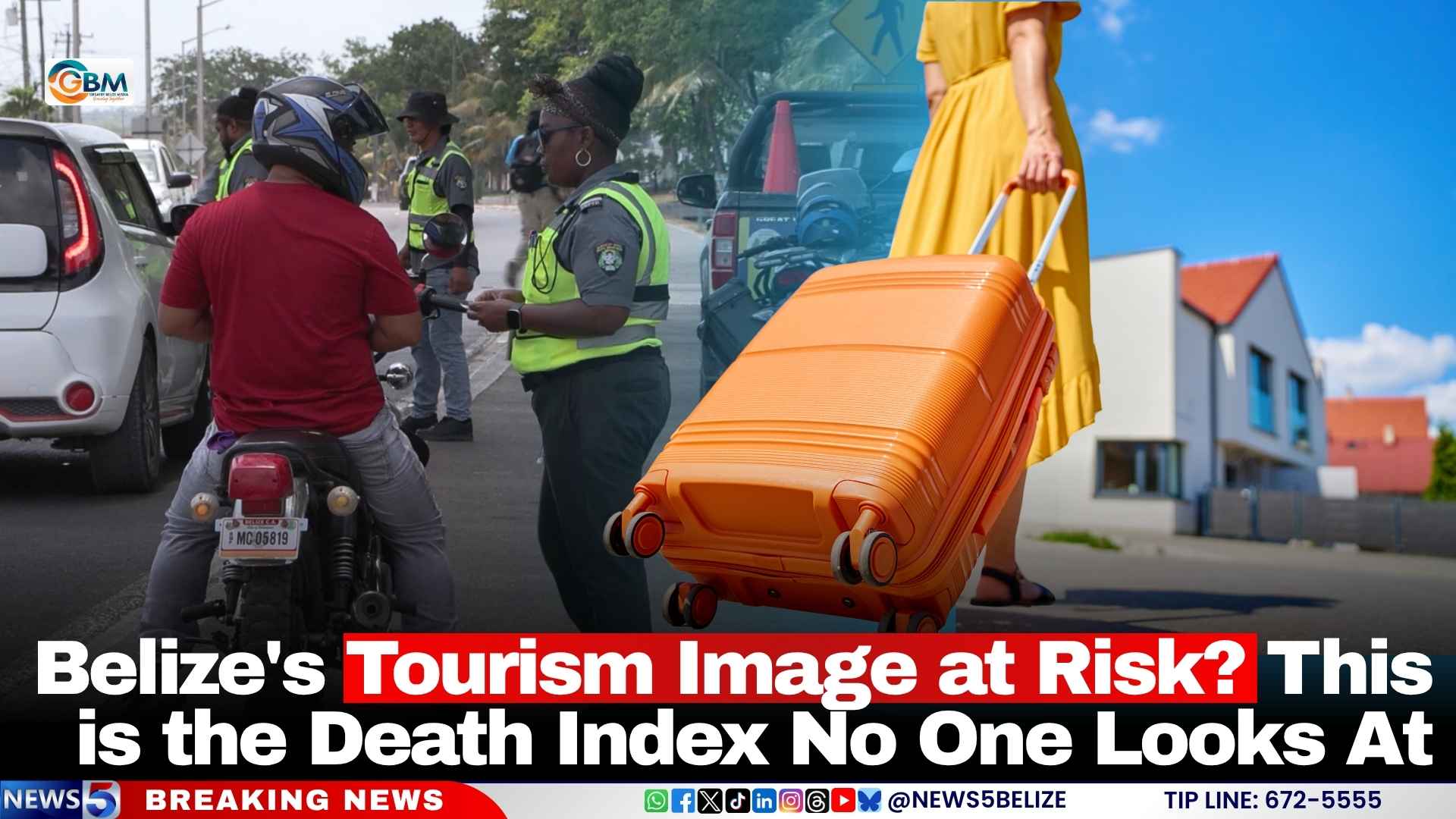
While Belize has long been marketed as a idyllic tropical paradise for international travelers, the country’s growing traffic fatality crisis has emerged as an unexpected threat to its coveted tourism image, senior transportation officials have confirmed. At the launch of a new national road safety capacity building program in Belmopan on Monday, Chief Executive Officer of the Ministry of Transportation Chester Williams drew public attention to a little-discussed death index that governments and tourism regulators review when evaluating travel safety. Unlike common assumptions that only violent crimes such as murder factor into national safety rankings, Williams emphasized that all categories of preventable death — including roadway fatalities — are counted in these critical assessments that shape global tourism perceptions.
“Often times we think that only murders count. But it’s beyond murders. When you look at the death index, we look at every category of death. And in particular murders and those that occur in road accidents,” Williams explained to attendees on Monday. With the country’s tourism industry dependent on its reputation as a safe, welcoming destination, Williams noted that urgent coordinated action across government agencies is non-negotiable to reverse current trends and reduce preventable road deaths. “So it is imperative for us as a government and respective departments to make sure we do our best to collaborate with each other to be able to enhance road safety,” he added.
At the core of the government’s response is the new Inter-Agency Traffic Enforcement Capacity Building Programme, a week-long training initiative rolled out by the Department of Transport to upskill local traffic enforcement officers. Chief Transport Officer Leon Gentle outlined that the program is split into five targeted modules covering a range of critical modern enforcement skills, including the legal parameters of traffic wardens’ arrest powers, updates to the country’s drunk driving legislation, standardized incident report writing, certified motorcycle helmet compliance, breathalyser operation training, proper handling of electronic evidence from body cameras and dashboard cameras, and structured case file preparation.
In a key policy shift announced alongside the training program, Williams confirmed that Belize has formally adopted five new motorcycle safety standards that have been approved by the country’s Bureau of Standards, which operates under the Ministry of Agriculture. The policy change follows global public health research that found over 60% of motorcycle fatalities involve riders who did not wear any helmet, while more than 30% of riders who did wear helmets were using uncertified, non-protective models that failed to prevent fatal injury in crashes. Despite the adoption of the new standards, Williams clarified that enforcement will not begin until the government completes public consultations and codifies the regulations into national law.
Gloria Murga, a representative from the Belize Automobile Touring Association, echoed the urgency of the initiative, emphasizing that at its core, the program’s only goal is to preserve human life. “Our main call is for us to have people out there to ensure that they follow the rules and regulations that are established by the country of Belize and by the government. We want to have everyone out there to be able to survive,” Murga said. As the country works to implement the new training and safety standards, stakeholders across the public and private sectors are aligned on the need to improve road safety to both protect lives and safeguard Belize’s standing as a top global tourist destination.