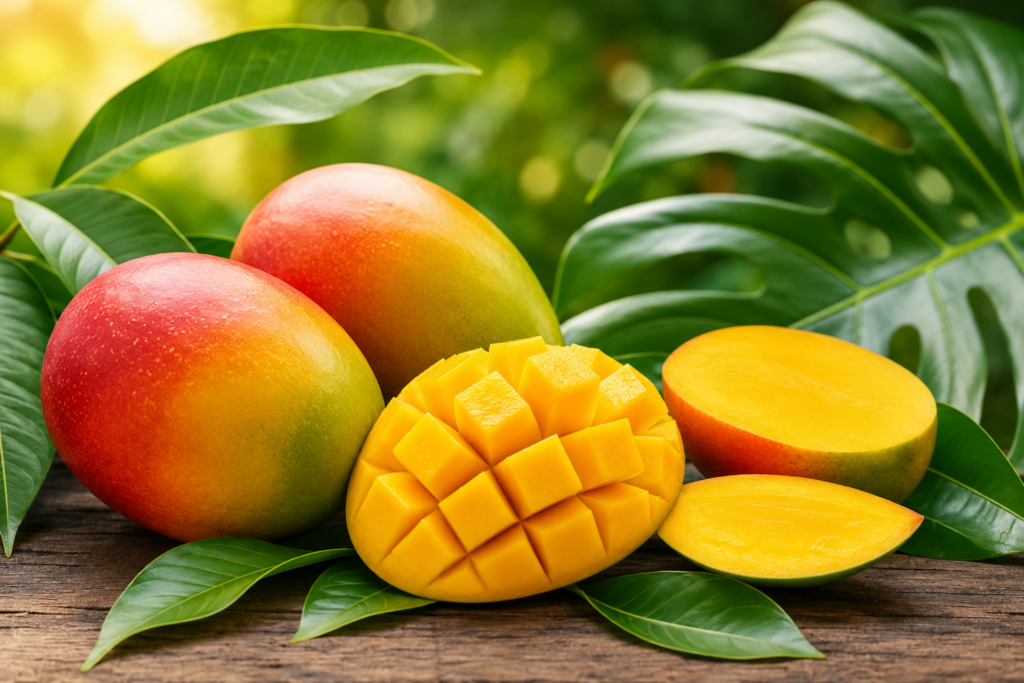
Antigua and Barbuda’s Ministry of Agriculture, Lands, Fisheries and the Blue Economy has made a carefully considered decision to cancel the 2026 iteration of its beloved annual PiAngo Fest, a move driven by shifting government priorities, constrained resource allocations, operational challenges, and growing uncertainty around the country’s upcoming mango harvest. The official announcement, released in a public statement on Tuesday, highlighted that unpredictable weather patterns have already disrupted national mango production, creating significant difficulties for event organizers who rely on accurate forecasts of the crop’s peak harvest to schedule and stage the popular festival. Ministry officials emphasized that the one-time cancellation is not a permanent end to the event, but a strategic step designed to protect the festival’s long-term viability as a cornerstone of Antigua and Barbuda’s agricultural and community calendar. “While this decision was not taken lightly, the Ministry believes it is necessary to ensure the festival’s continued growth and long-term sustainability,” the statement read. Over its history, PiAngo Fest has evolved into one of the Caribbean nation’s most high-profile flagship agricultural events, drawing a diverse cross-section of stakeholders including local small-scale mango farmers, agro-processing businesses, independent craft and food vendors, musical performers, and family groups from across the country and international tourists. Beyond serving as a popular community gathering, the festival fulfills a critical economic role: it creates a dedicated marketplace for domestic agricultural products, drives revenue for local small businesses, and raises public awareness of agriculture’s outsized importance to Antigua and Barbuda’s national development and economic stability. Despite the 2026 pause, the ministry has reaffirmed its unwavering commitment to reviving the festival in future years, and extended public gratitude to the broad network of contributors that have made the event successful over decades. This includes exhibitors that showcase local products, corporate and community sponsors that provide critical funding, performers that entertain attendees, unpaid volunteers that manage on-the-ground operations, and the regular patrons that turn out year after year to support the event. Ministry officials explained that the 2026 break will give leadership time to conduct a full, comprehensive review of every aspect of the festival’s operations. Organizers will reevaluate and strengthen the event’s organizational framework, renegotiate and expand partnerships with public and private stakeholders, and refine the festival’s long-term strategic direction to ensure that future iterations deliver maximum value for both participating vendors and producers and the general public that attends each year. The ministry confirmed that additional updates regarding future PiAngo Fest plans will be released to the public as they are finalized, with more details expected in the months leading up to 2027.