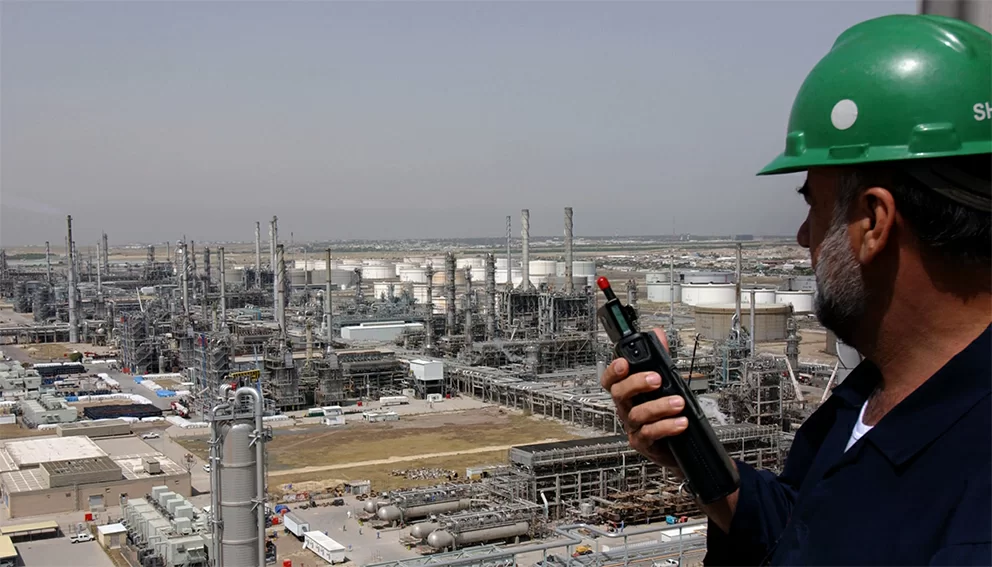
Seven major producer nations within the OPEC+ alliance have confirmed plans to implement a modest increase to collective oil production starting in August 2026, marking the fifth straight month of output expansions for the bloc. The decision comes as global fuel prices have fallen to levels not seen since before the outbreak of the US-Iran conflict earlier this year, easing pressure on energy markets worldwide.
The Organization of the Petroleum Exporting Countries (OPEC) and its non-OPEC partner producers, collectively known as OPEC+, made the announcement Sunday, confirming that the seven participating countries — Saudi Arabia, Russia, Iraq, Kuwait, Kazakhstan, Algeria, and Oman — will add a total of 188,000 barrels of crude per day to global markets. In an official statement, the alliance emphasized that it will continue closely monitoring market dynamics and maintain a cautious, data-driven approach to preserve global market stability.
Global oil prices have dropped sharply over the past month, driven by growing market optimism that followed a preliminary US-Iran agreement to de-escalate their conflict. Under the terms of the tentative deal, Iran has agreed to allow unimpeded passage of commercial vessels through the Strait of Hormuz, while the United States will lift its blockade on Iranian ports. Since the agreement was reached, the volume of commercial traffic through the strategic chokepoint has risen, though it has not yet returned to pre-conflict levels.
The Strait of Hormuz is one of the world’s most critical energy infrastructure chokepoints, carrying roughly one-fifth of global oil trade before the outbreak of the conflict. Even with the preliminary de-escalation, regional tensions remain elevated. Iran’s joint military command recently issued a warning that oil tankers must only use Iran-approved shipping routes through the strait, threatening a “forceful response” for non-compliance.
As negotiators work to finalize a permanent peace agreement, oil prices have continued their downward trend. As of Sunday evening, Brent crude, the global benchmark for oil pricing, traded around $72 per barrel. This price point matches levels recorded just before US and Israeli strikes on Iran in February, and marks a sharp decline from the March peak of nearly $120 per barrel.
The US-Iran conflict triggered a global energy crisis earlier this year, when the blockade of the Strait of Hormuz left even prior incremental production hikes from OPEC+ unable to offset the massive disruption to global supply. At the start of the conflict, many major Middle Eastern oil producers were forced to cut output, as export routes were effectively closed. The latest estimate from S&P Global Energy projects that full production recovery across the Persian Gulf region will not be completed until the first quarter of 2027.
Despite falling crude prices, energy analysts have repeatedly warned that consumer fuel and goods prices will remain elevated for a long period even after a full conflict resolution, as supply chain adjustments and post-crisis reconstruction take time to fully normalize global energy markets.