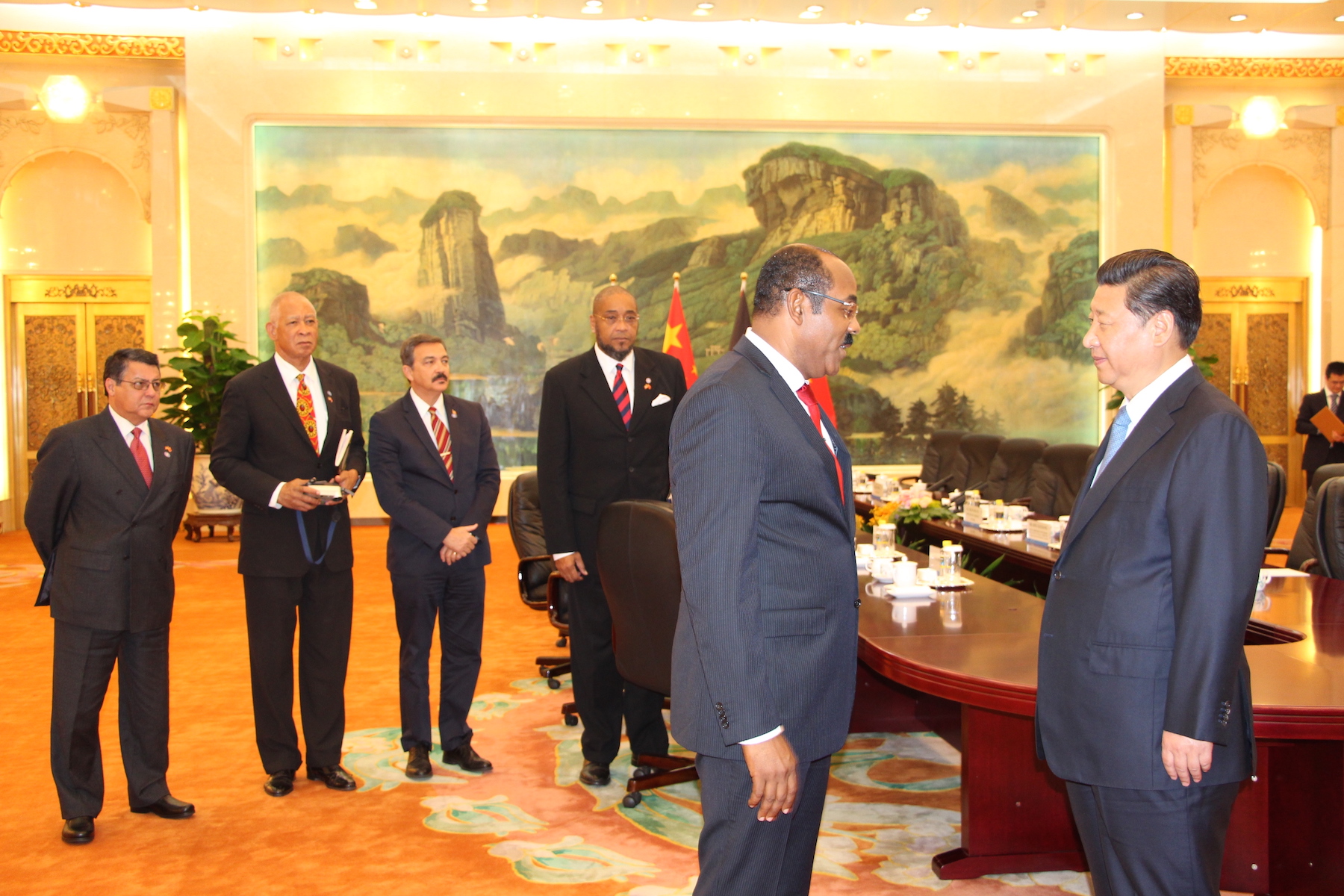
The Caribbean nation of Antigua and Barbuda is actively exploring a new $100 million concessional loan from China to advance two key domestic development priorities: upgrading renewable energy infrastructure and expanding affordable housing stock, Prime Minister Gaston Browne confirmed in a recent public interview.
Appearing as a guest on the local Brown and Brown Show this past Sunday, Browne framed the proposal as a feasible step forward, citing a notable improvement in the country’s fiscal position in recent years. He told listeners that Antigua and Barbuda’s debt-to-GDP ratio has dropped sharply to roughly 62%, putting it just two percentage points above the widely accepted international sustainability benchmark of 60%. This improved fiscal standing has created room for the government to take on targeted new borrowing to drive long-term growth, he argued.
Under the draft plan being evaluated by the administration, $40 million of the requested loan would be dedicated to the construction of a utility-scale renewable energy facility, a project designed to cut the country’s reliance on expensive imported fossil fuels and lower energy costs for residents. The remaining $60 million would be channeled directly into expanding housing supply across both main islands of Antigua and Barbuda, as the country grapples with a persistent shortage of affordable quality housing.
Browne emphasized that the current housing shortage is far larger than ongoing projects already underway can address. Currently, the government is utilizing a $20 million Chinese grant to build 100 new homes: 50 units in the Bolans community on Antigua, and another 50 on the island of Barbuda. Even with these new units coming online, the prime minister noted that the country still needs thousands of additional homes to meet unmet demand, requiring a large-scale scaling up of residential construction.
The Antiguan leader added that his government has a long-standing policy of pursuing concessional financing from international partners to fund high-impact infrastructure and development projects, and he specifically highlighted the favorable terms of past Chinese lending. It was those low-interest terms, he said, that have helped the country steadily bring down its overall debt burden to the current improved level.
Browne outlined the specific terms his administration would view as acceptable for the new loan: a 20-year repayment period, a 2% interest rate, and a five-year moratorium on principal payments, terms that match the favorable borrowing conditions the country has secured from China in the past.
In a nod to multilateral openness, the prime minister also noted that the government would be equally willing to accept financing from the United States, should Washington be able to offer terms comparable to China’s concessional rates. “If they’re able to match the Chinese and we’re getting cheap money, we will borrow,” Browne stated, underscoring the government’s priority of securing the lowest-cost financing for national development regardless of the source.