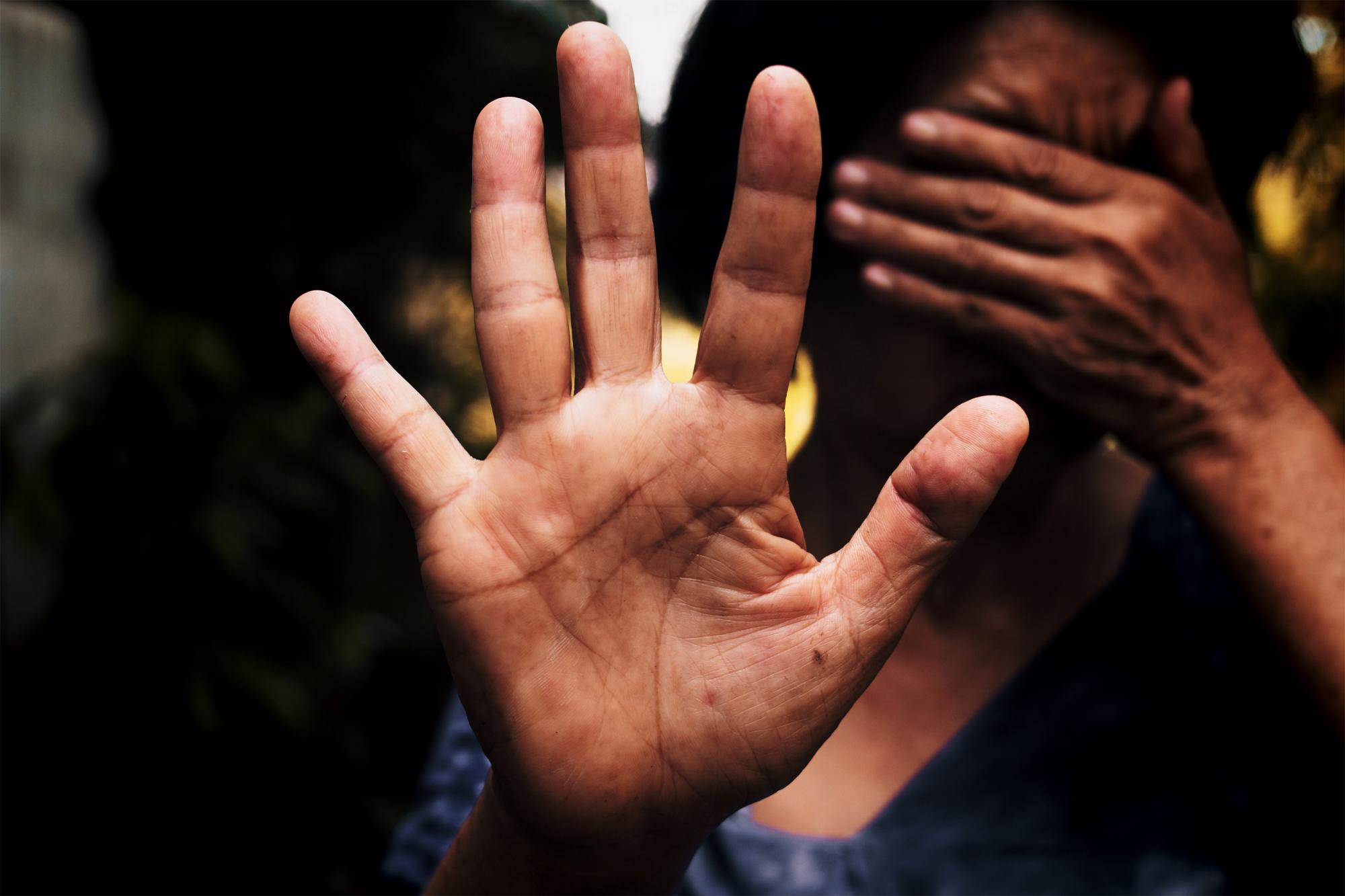
For decades, the specific names and cases change, but the grim, recurring headlines about gender-based violence (GBV) in Saint Lucia have stayed the same. Reports of women murdered by current or former romantic partners, children forced to grow up surrounded by routine domestic abuse, and survivors who suffer in silence for years before seeking help — or choose never to report their abuse at all — have become normalized.
Despite sustained public outcry and repeated demands for systemic intervention, GBV remains a pervasive, devastating public crisis across the small Caribbean island nation. Even as experts acknowledge that official records are far from complete, the available data paints a troubling picture of a problem that is far more widespread than most citizens and policymakers recognize.
Data collected in 2015 from three key Saint Lucian institutions — the Royal Saint Lucia Police Force, the Department of Gender Relations, and the Women’s Support Centre — recorded 419 reported cases of violence committed by current or former intimate partners per 100,000 women across social service agencies. That same year, the now-defunct Division of Human Services and Family Affairs recorded 1,268 reported cases of violence against girls per 100,000 girls. Gender-based violence advocates widely agree that these official counts represent only a small fraction of the total actual incidents that occur across the country.
This pattern of underreporting aligns with global research, which consistently finds that most victims of intimate partner violence never come forward. Common barriers include fear of violent retaliation from abusers, economic dependence on perpetrators, deep-seated social shame, worries about losing custody of or endangering their children, and widespread lack of trust in the national justice system to hold abusers accountable.
The most alarming finding comes from 2020 United Nations research on global gender-based violence. The UN Global Database on Violence Against Women ranked Saint Lucia among the countries with the highest recorded femicide rates in Latin America and the Caribbean. The database estimates that 4.4 out of every 100,000 women in Saint Lucia are killed as a result of gender-based violence. Femicide, defined as the intentional killing of women specifically because of their gender, is most often committed by intimate partners or family members. Notably, Saint Lucia’s legal system does not currently recognize femicide as a distinct criminal offense, but international bodies continue to track these deaths because they almost always follow long histories of escalating domestic abuse and coercive control.
For a small island nation with a total population of fewer than 200,000 people, this high ranking — which places Saint Lucia alongside far larger nations also grappling with endemic violence against women — is a sobering wake-up call.
Ironically, one of the single biggest barriers to addressing the GBV crisis is the lack of comprehensive, standardized national data. Without regular, nationwide prevalence studies, policymakers are forced to rely on fragmented data from police reports, hospital admissions records, and social service agency case files, each of which captures only a partial view of the full scope of abuse.
UN Women confirms that Saint Lucia continues to face significant gaps in gender-disaggregated data, especially regarding violence against women. These gaps make it nearly impossible to accurately track long-term trends, measure the effectiveness of existing intervention programs, or understand the true scale of abuse across the country. Researchers warn that without reliable, complete data, the country is stuck in a reactive cycle: authorities only intervene after violence has already escalated into fatal or life-threatening harm.
Global research consistently confirms that femicide is almost never a random, unforeseen event. Joint research conducted by UN Women and the United Nations Office on Drugs and Crime (UNODC) found that women murdered by intimate partners almost always experience months or even years of escalating abuse before their deaths — including physical violence, repeated threats, stalking, emotional abuse, and coercive control over their daily lives. The two UN agencies characterize femicide as “the most extreme and preventable form of violence against women,” noting that targeted early intervention by families, communities, and state institutions can save lives before violence turns fatal.
Campaigners against GBV argue that framing the crisis solely as a law enforcement issue ignores the deeper structural and social roots of the problem. Systemic gender inequality, harmful cultural social norms, economic disempowerment that leaves women dependent on abusers, childhood exposure to domestic violence, and inadequate support services for survivors all create an environment where abuse can go unchallenged and escalate.
While Saint Lucia has made incremental progress in recent years — strengthening domestic violence legislation and expanding support services through organizations like the Women’s Support Centre and the Department of Gender Relations — advocates emphasize that prevention work must begin long before a survivor feels forced to contact police. They are calling for targeted increased investment in public education to challenge harmful norms, expanded accessible counselling services for survivors and at-risk communities, evidence-based early intervention programs, improved systematic national data collection, and stronger legal accountability for perpetrators of abuse.
As advocates often note, official statistics can only ever tell a small part of the story. Behind every police report is a survivor who has endured unthinkable harm. Behind every court-ordered protection order is a family grappling with crisis. And behind every femicide statistic is a woman whose death was likely preceded by clear, unaddressed warning signs that could have led to intervention if systems had been in place to act.